Most people ignore the vibrant, trailing Tradescantia Zebrina as merely an attractive houseplant. Yet, this striking botanical holds a secret: its leaves can be transformed into a simple, warming herbal infusion, traditionally valued for daily wellness rituals. If you’re overlooking this plant, you might be missing out on a surprisingly practical addition to your natural remedy cabinet.
This isn’t about complex botanical extractions; it’s about a straightforward, accessible way to incorporate a beneficial herb into your routine. But one small preparation mistake can ruin the whole batch, leaving you with a less-than-effective remedy. Here’s how to properly prepare and use Tradescantia Zebrina for its often-overlooked wellness benefits.
What is Tradescantia Zebrina?
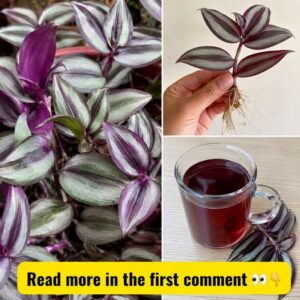
Tradescantia Zebrina, commonly known as wandering jew plant or inchplant, is a species of spiderwort native to Mexico, Central America, and Colombia. It’s widely cultivated as an ornamental plant due to its attractive, colorful foliage, typically featuring purple, green, and silver stripes. While primarily known for its decorative appeal, various cultures have historically recognized specific species within the Tradescantia family for their traditional uses, often prepared as a simple tea or infusion.
The plant’s leaves are the part typically used for infusions, providing a mild, earthy flavor. The key to unlocking its potential lies in understanding how to harvest and prepare it correctly to ensure maximum benefit and safety.
Ingredients for Tradescantia Zebrina Infusion
- Fresh or dried Tradescantia Zebrina leaves (ensure they are organically grown and free from pesticides)
- Filtered water
Approximate Measurements
- For Fresh Leaves: 5-7 medium-sized leaves per 8-10 ounces (approx. 250-300 ml) of water.
- For Dried Leaves: 1-2 teaspoons of dried, crushed leaves per 8-10 ounces (approx. 250-300 ml) of water.
Formula / Recipe: Tradescantia Zebrina Daily Infusion
The beauty of this remedy is its simplicity. The goal is to create a gentle, warming infusion that can be enjoyed daily. Avoid harsh boiling, which can degrade delicate plant compounds.
Step-by-Step Method
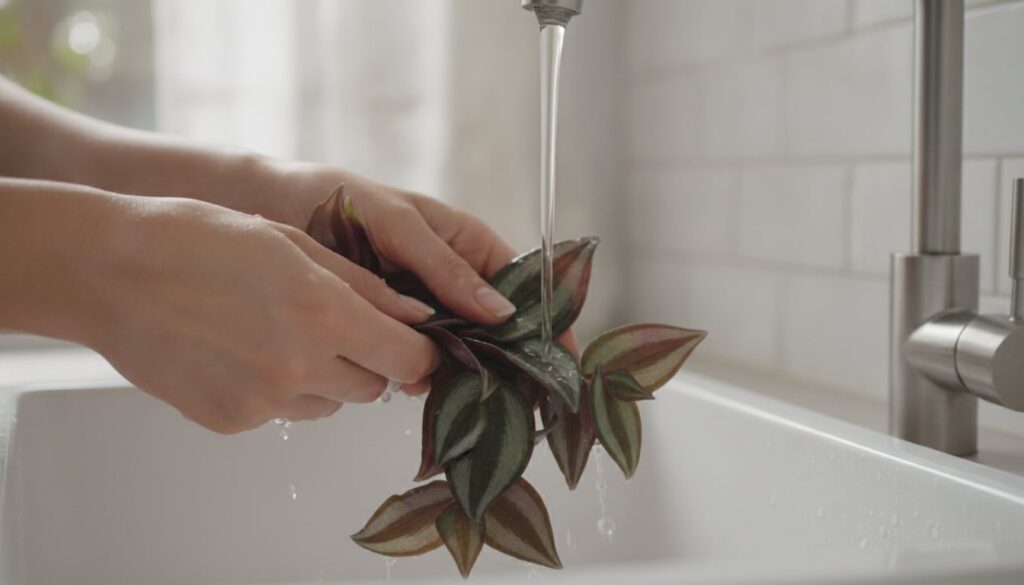
- Harvest/Select Leaves: If using fresh leaves from your own plant, choose mature, healthy leaves that are free from blemishes or damage. Gently rinse them under cool, running water to remove any dust or debris. If using dried, ensure they are stored properly.
- Chop (Optional for Fresh): For fresh leaves, you can lightly chop or tear them to expose more surface area, but it’s not strictly necessary.
- Heat Water: Bring your filtered water to a boil, then immediately remove it from the heat. The ideal temperature for infusing delicate herbs is just off the boil, around 195-205°F (90-96°C).
- Combine: Place the fresh or dried Tradescantia Zebrina leaves into a mug or a heat-proof jar. Pour the hot (but not boiling) water over the leaves.
- Steep: Cover the mug or jar to trap the steam and beneficial compounds. Steep for 5-10 minutes. For a stronger infusion, you can steep a little longer, but avoid going beyond 15 minutes to prevent bitterness.
- Strain: Using a fine-mesh sieve, strain the leaves from the liquid. Discard the spent leaves.
- Serve: Your Tradescantia Zebrina infusion is ready to enjoy.
How to Use
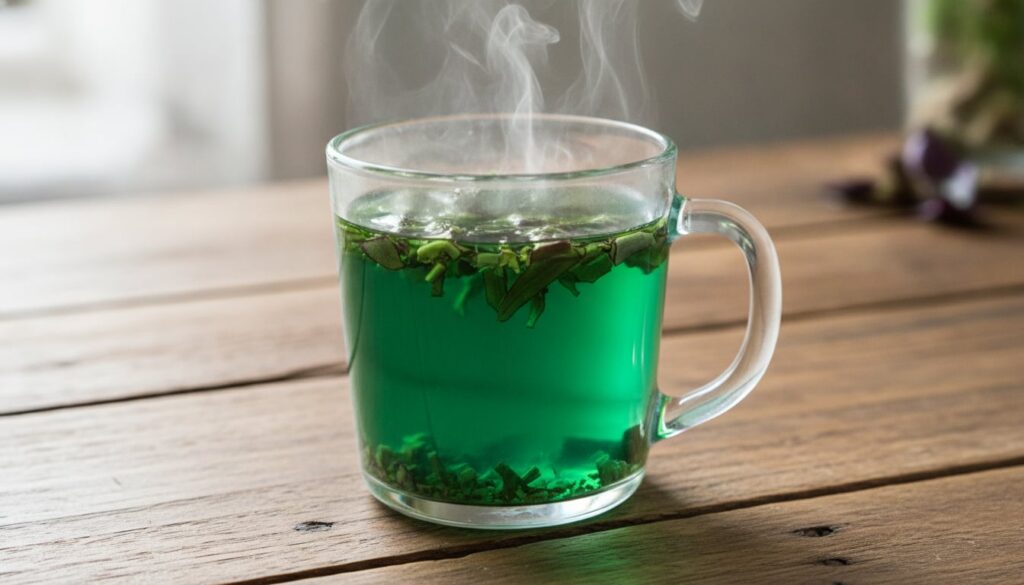
Drink the infusion warm. You can add a touch of honey or a squeeze of lemon if desired, though many prefer its natural, mild taste. It’s best consumed shortly after preparation to ensure freshness and potency.
How Often to Use
For general daily wellness, one cup per day is a common recommendation. Some individuals may choose to consume it 2-3 times a week as part of their routine. Consistency is more important than high doses.
Quick Tip: The best time to enjoy your infusion is in the morning or early afternoon. Its gentle nature makes it suitable for various times of the day.
How to Buy / How to Choose Ingredients
Since Tradescantia Zebrina is often grown as an ornamental, sourcing it correctly is crucial:
- Homegrown: This is the ideal option. Grow it organically, ensuring no pesticides, herbicides, or synthetic fertilizers are used. This guarantees a clean source for your infusion.
- Local Nurseries/Herbal Shops: If purchasing, specifically ask if the plant is grown for consumption or is pesticide-free. Regular ornamental plants are often treated with chemicals unsuitable for ingestion.
- Online Suppliers: Look for reputable herbal suppliers that specifically offer ‘food-grade’ or ‘organic’ Tradescantia Zebrina plant material.
| Condition | Details | Best Use |
|---|---|---|
| Fresh Leaves | Harvested directly from a healthy, organic plant. | Immediate infusion; mildest flavor. |
| Dried Leaves | Carefully dried, stored away from light/moisture. | Longer storage; slightly more concentrated flavor. |
Storage
Proper storage is essential to maintain the potency and freshness of your Tradescantia Zebrina.
- Fresh Leaves: Use immediately after harvesting. If you must store them briefly, wrap them in a damp paper towel and place them in an airtight container in the refrigerator for no more than 1-2 days.
- Dried Leaves: Store dried leaves in an airtight glass jar away from direct sunlight, heat, and moisture. A cool, dark pantry is ideal. They can last for up to 6-12 months.
- Prepared Infusion: It is best consumed fresh. If you have leftovers, refrigerate them in an airtight container for no more than 24 hours. Reheat gently, avoiding boiling.
Practical Tips
- Test Small Amounts: If it’s your first time trying, start with a smaller quantity of leaves and gradually increase to find your preferred strength and ensure no adverse reactions.
- Listen to Your Body: Pay attention to how your body responds. Wellness remedies work differently for everyone.
- Sustainability: If harvesting from your own plant, do so sustainably, taking only a few leaves at a time to allow the plant to continue thriving.
Common Mistakes
One small oversight can reduce the effectiveness or safety of your Tradescantia Zebrina infusion:
- Using Pesticide-Treated Plants: This is the most critical mistake. Never use plants that have been sprayed with chemicals. Always confirm your source is organic and safe for consumption.
- Boiling Too Long: Simmering or boiling the leaves excessively can destroy delicate compounds and lead to a bitter taste. Infusion with hot, not boiling, water is key.
- Misidentification: While Tradescantia Zebrina is distinct, ensure you are using the correct plant. When in doubt, consult a reliable botanical guide.
- Improper Storage of Dried Leaves: Exposure to light, air, or moisture can degrade the quality of dried herbs, making them less potent and potentially leading to mold.
Cautions / Who Should Avoid It
While generally considered safe for occasional use as an infusion when properly identified and prepared, certain precautions are necessary:
- Pregnancy and Breastfeeding: There is insufficient research on the safety of Tradescantia Zebrina during pregnancy or breastfeeding. It’s best to avoid its use.
- Allergies: Individuals with known allergies to plants in the Commelinaceae family (spiderworts) should avoid this infusion. Some people may experience skin irritation from direct contact with the sap, so exercise caution.
- Medication Interactions: If you are on any medications, especially blood thinners or diuretics, consult your healthcare provider before incorporating new herbal remedies into your routine.
- Internal Use: Ensure you are using a plant that has been specifically grown for internal use and is free from pesticides. Some sources suggest internal use should be approached with caution, and traditional use often involves moderate, not excessive, consumption.
Quick Summary
- Best Preparation: Gentle hot water infusion (not boiling).
- Best Use-Case: Daily wellness support, enjoyed warm.
- Storage: Fresh leaves used immediately; dried leaves in airtight, dark containers for up to 6-12 months.
- When to Use: Morning or early afternoon for a refreshing start.
- What to Avoid: Pesticide-treated plants, excessive boiling, consuming large quantities.
Frequently Asked Questions
- Can I use fresh or dried Tradescantia Zebrina leaves?
Both are suitable. Fresh leaves offer a milder flavor, while dried leaves are convenient for storage. - How long does the infusion last?
It’s best consumed fresh. Refrigerated, it lasts up to 24 hours. - Can I refrigerate the leaves?
Fresh leaves can be refrigerated for 1-2 days, wrapped in a damp paper towel in an airtight container. Dried leaves should be stored at room temperature in a dark, cool place. - How often should I use it?
One cup per day is a common recommendation for general wellness. - What part of the plant is best for infusion?
The leaves are the primary part used for this specific infusion. - Can I reuse the leaves for another infusion?
It’s generally not recommended. Most of the beneficial compounds are extracted during the first steep, and subsequent brews will be much weaker. - When should I avoid it?
Avoid if pregnant, breastfeeding, allergic to similar plants, or if taking medications without prior consultation with a healthcare provider.
You may also like: DIY Herbal Teas for Stress Relief
Continue reading: Benefits of Organic Gardening for Herbal Remedies
Conclusion
Tradescantia Zebrina, though often seen as just a decorative plant, offers a simple and warming infusion that can be a valuable addition to your daily wellness routine. By understanding the proper harvesting, preparation, and usage methods, you can confidently unlock the potential of this overlooked plant. Remember to source your leaves carefully, avoid common mistakes, and listen to your body’s response. Embrace the ease and practicality of this natural remedy, turning a common houseplant into a unique wellness ally.

