Building a balanced plate feels simpler when you know your ingredients. Understanding the fiber content of everyday vegetables is a foundational step toward making healthy choices effortless. While all vegetables offer valuable nutrients, knowing which ones are high and low in fiber can significantly impact your digestion, satiety, and overall wellness. This guide will reveal essential high and low fiber vegetable choices, helping you optimize your meals for better health.
Dietary fiber, often called nature’s broom, plays a crucial role in maintaining a healthy digestive system, regulating blood sugar levels, and contributing to a feeling of fullness. Whether you’re aiming to boost your fiber intake or manage it for specific dietary needs, knowing the best vegetables to reach for is key.
Why Dietary Fiber Matters for Your Health
Fiber is an indigestible carbohydrate found in plant foods. It comes in two main forms: soluble and insoluble, both vital for different aspects of health. Soluble fiber dissolves in water, forming a gel-like substance that can help lower cholesterol and glucose levels. Insoluble fiber, on the other hand, adds bulk to your stool, aiding in the smooth passage of food through your digestive system and preventing constipation.
- Digestive Health: Promotes regularity and prevents constipation, supporting a healthy gut microbiome.
- Blood Sugar Control: Slows down the absorption of sugar, which can help manage blood glucose levels.
- Weight Management: Contributes to satiety, helping you feel fuller for longer and potentially reducing overall calorie intake.
- Heart Health: Soluble fiber can help reduce LDL (bad) cholesterol levels.
Understanding these benefits underscores why making informed choices about your vegetable intake is so important.
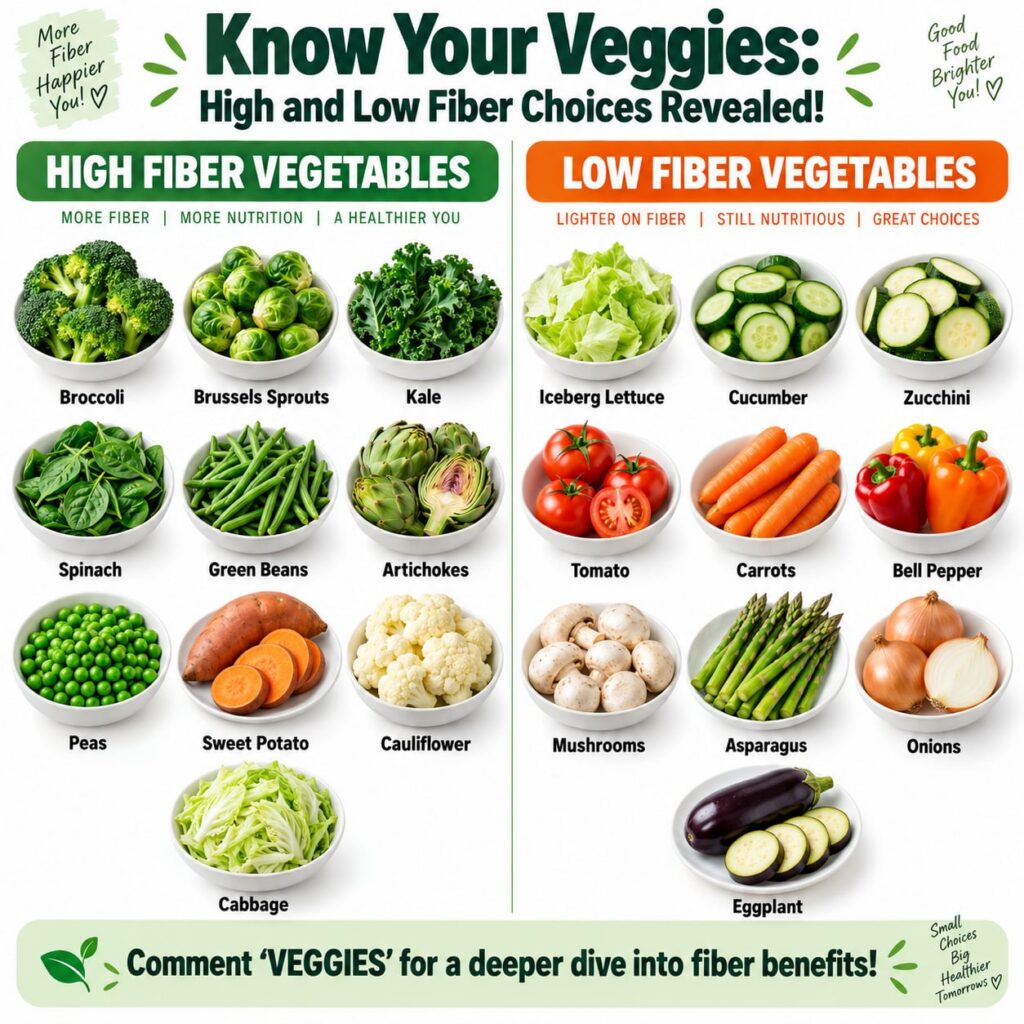
High-Fiber Vegetable Choices
For those looking to significantly boost their daily fiber intake, these vegetables are your go-to options. They pack a substantial amount of fiber per serving, alongside a wealth of vitamins and minerals. Integrating these into your meals can greatly enhance digestive health and keep you feeling satisfied.
- Broccoli: A cruciferous powerhouse, rich in both fiber and Vitamin C. Great steamed, roasted, or added to stir-fries.
- Brussels Sprouts: These mini-cabbages are excellent sources of fiber and antioxidants. Try them roasted with a drizzle of olive oil.
- Spinach & Kale: Leafy green vegetables that are incredibly versatile. While lower in fiber by weight compared to broccoli, their high volume contribution makes them significant, especially in smoothies, salads, or sautéed dishes.
- Artichokes: Known for their unique taste and impressive fiber content, particularly inulin, a prebiotic fiber beneficial for gut health. Enjoy them steamed or grilled.
- Green Peas: Surprisingly high in fiber and protein, making them a great addition to almost any meal, from soups to side dishes.
- Avocado: A fruit often treated as a vegetable, avocado is rich in healthy fats and an excellent source of dietary fiber. Perfect in salads, sandwiches, or as a creamy spread.
Tips for Incorporating High-Fiber Veggies:
- Add a handful of spinach or kale to your morning smoothie.
- Roast broccoli and Brussels sprouts as a savory side dish.
- Incorporate peas into pasta dishes or rice bowls.
- Use mashed avocado as a healthy toast topping.
Low-Fiber Vegetable Choices
Sometimes, a low-fiber diet is recommended for specific digestive conditions or during recovery from certain medical procedures. These vegetables offer essential nutrients without adding significant bulk, making them easier to digest for some individuals. They are also excellent for hydration and can be part of a balanced diet when combined with other nutrient sources.
- Iceberg & Romaine Lettuce: Primarily water, these leafy greens offer minimal fiber, making them ideal for a low-residue diet. They provide a crisp texture to salads and sandwiches.
- Cucumber: Extremely hydrating and very low in fiber, especially when peeled and deseeded. Great for snacks, salads, or infused water.
- Celery: Known for its crunch and high water content, celery provides minimal fiber and is a refreshing addition to many dishes.
- Bell Peppers: While they contain some fiber, bell peppers (especially when seeded and peeled) are generally considered lower in fiber compared to their cruciferous counterparts. They are rich in Vitamin C.
- Zucchini: A tender squash with a high water content and mild flavor, zucchini is easy to digest and low in fiber, particularly when cooked.
- Mushrooms: These fungi are low in fiber but offer a unique savory flavor and various micronutrients. They can be sautéed, roasted, or added to sauces.
- Radishes: Crunchy and peppery, radishes are very low in fiber and add a distinct zest to salads.
When to Choose Low-Fiber Veggies:
- During periods of digestive sensitivity or recovery from illness.
- As a refreshing, hydrating component in meals without adding significant bulk.
- To provide a diverse nutrient profile alongside higher-fiber foods when fiber needs are met.
Balancing Your Plate: Making Smart Fiber Choices
The key to a healthy diet isn’t just about eating high-fiber foods, but about consuming a balanced variety of vegetables that meet your individual needs. For most people, a mix of both high and low fiber vegetables is beneficial, offering a broad spectrum of nutrients and supporting optimal digestion.
- Aim for Variety: Different vegetables offer different vitamins, minerals, and types of fiber.
- Listen to Your Body: Pay attention to how different foods affect your digestion.
- Gradual Increase: If you’re increasing fiber intake, do so gradually to avoid discomfort.
- Stay Hydrated: Drinking plenty of water is crucial when increasing fiber, as it helps fiber move smoothly through your digestive system.
FAQs About Fiber and Vegetables
How much fiber should I aim for daily?
Adults typically need 25-30 grams of fiber per day, though individual needs can vary. It’s best to consult a healthcare professional for personalized recommendations.
Can I get too much fiber?
While fiber is beneficial, consuming excessive amounts too quickly, especially without adequate hydration, can lead to bloating, gas, and constipation. Gradually increasing your intake and drinking plenty of water can help prevent these issues.
Are cooked vegetables still high in fiber?
Yes, cooking vegetables generally does not significantly reduce their fiber content. In some cases, cooking can even make the fiber more digestible.
Understanding the fiber content of your vegetables empowers you to make informed choices that benefit your digestive health, energy levels, and overall well-being. By knowing your veggies, you’re better equipped to build a plate that nourishes your body from the inside out.