Boosting Your Wellness: Understanding the Link Between Diet and Reproductive Health
Did you know that what you choose to eat and drink every day can play a significant role in your overall wellness, including reproductive health? It’s a fascinating connection, and understanding it can empower you to make more informed choices for a healthier lifestyle. At Remedy – T.Nhàn, we believe in exploring natural ways to support your body’s functions, and diet is a cornerstone of this approach.
While many factors influence reproductive health, nutrition is one area we can actively manage. This guide will walk you through six common foods and drinks that some research suggests might be worth rethinking if you’re focusing on supporting reproductive wellness. Making simple shifts can be a wonderful step on your natural health journey!
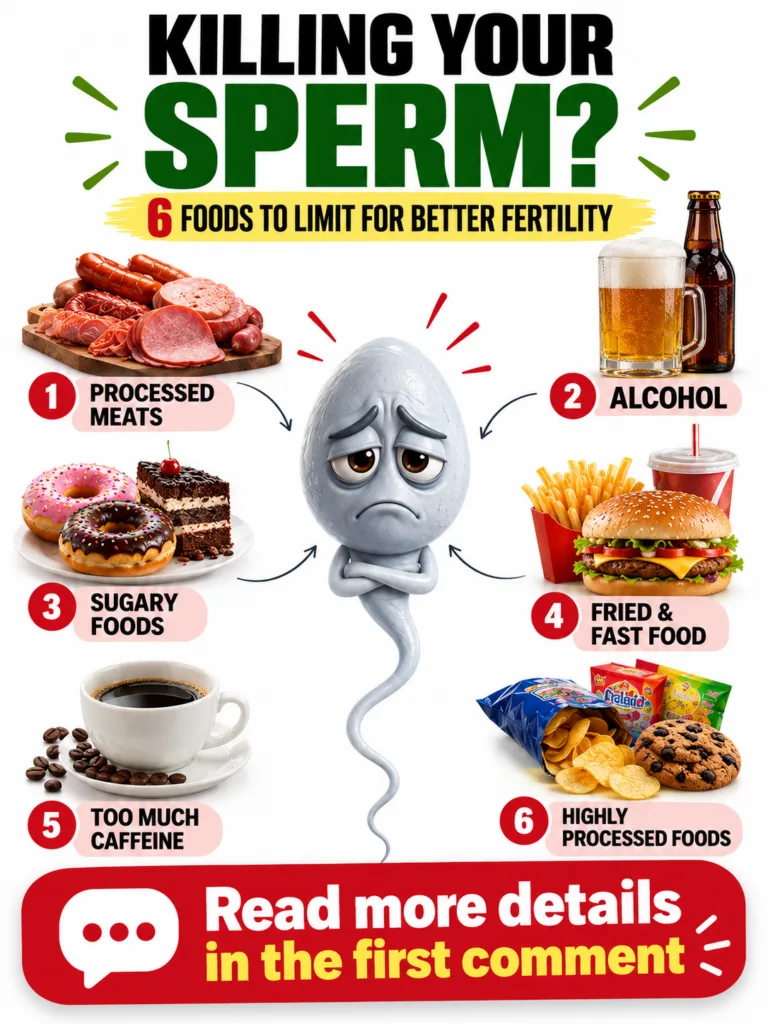
6 Foods and Drinks to Reconsider for Optimal Reproductive Wellness
Let’s dive into some common items you might want to consider enjoying in moderation or swapping for healthier alternatives.
1. Highly Processed Foods & Trans Fats
Many pre-packaged snacks, fried foods, and certain fast-food items are loaded with trans fats and highly refined ingredients. These types of fats are not only challenging for your heart health but also some studies suggest they might have an impact on overall cellular function, including those involved in reproductive processes. Choosing whole, unprocessed foods can be a much gentler option for your body.
- Rethink: Fried snacks, commercial baked goods (like pastries and cookies), most fast food.
- Try Instead: Fresh fruits, vegetables, nuts, seeds, whole-grain crackers, homemade baked goods using healthier fats like olive oil or avocado oil.
2. Sugary Drinks
Sodas, many energy drinks, and highly sweetened fruit juices are packed with added sugars. Consuming excessive amounts of sugar can lead to imbalances in blood sugar levels and may contribute to oxidative stress in the body. Oxidative stress can potentially affect cells throughout the body, including those involved in reproductive health.
- Rethink: Sugary sodas, sweetened juices, energy drinks with high sugar content.
- Try Instead: Water infused with fruit (lemon, cucumber, berries), unsweetened herbal teas, sparkling water with a splash of natural fruit juice.
3. Excessive Alcohol
While moderate alcohol consumption is often part of a balanced lifestyle for many, excessive intake can have a range of effects on the body. Heavy alcohol use has been linked to various health challenges, and it’s generally recommended to limit intake for optimal wellness, including supporting reproductive health. Keeping alcohol consumption in check can be a beneficial step.
- Rethink: Frequent heavy drinking.
- Try Instead: Enjoying alcohol in moderation, or opting for non-alcoholic sparkling cider, kombucha, or mocktails.
4. Certain Processed Meats
Items like bacon, sausages, hot dogs, and some deli meats often contain preservatives, unhealthy fats, and high levels of sodium. Some research indicates a potential association between high consumption of processed meats and certain wellness markers, including those related to reproductive health. Opting for leaner, unprocessed protein sources is often a more nutrient-dense choice.
- Rethink: Daily consumption of processed meats.
- Try Instead: Lean chicken, turkey, fish, beans, lentils, eggs, and plant-based protein sources.
5. Refined Grains
White bread, white pasta, and many breakfast cereals are examples of refined grains. During processing, they lose valuable fiber, vitamins, and minerals. Diets rich in refined grains can lead to rapid blood sugar spikes, which over time may not be ideal for overall metabolic and cellular health. Choosing whole grains provides sustained energy and more nutrients.
- Rethink: Primarily consuming white bread, white rice, refined cereals.
- Try Instead: Whole wheat bread, brown rice, quinoa, oats, whole-grain pasta.
6. High-Caffeine Drinks (in excess)
While a morning cup of coffee is a cherished ritual for many, very high caffeine intake from multiple sources (coffee, energy drinks, certain sodas) might be something to consider regulating. Some studies suggest a potential link between very high caffeine consumption and certain aspects of reproductive health. Listening to your body and finding a balance that works for you is key.
- Rethink: Consuming multiple high-caffeine beverages daily.
- Try Instead: Reducing portion sizes, opting for decaffeinated coffee/tea, herbal teas, or simply more water.
Embrace a Holistic Approach to Reproductive Wellness
Making conscious choices about your diet is just one part of a broader picture when it comes to reproductive health and overall wellness. A balanced diet rich in fruits, vegetables, whole grains, and lean proteins provides essential nutrients that support various bodily functions. Staying hydrated, managing stress, getting regular physical activity, and ensuring adequate sleep are all wonderful complements to healthy eating habits.
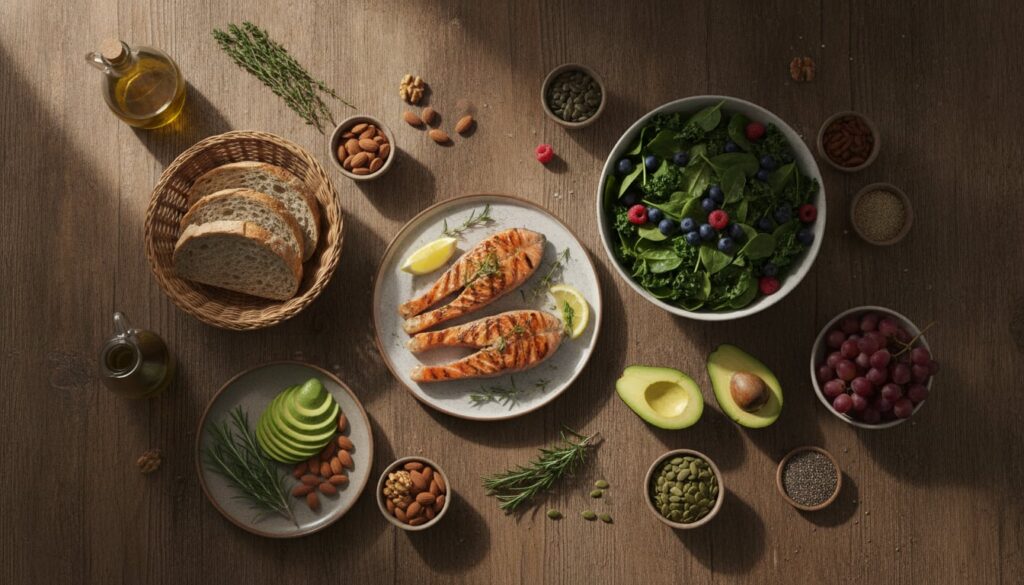
At Remedy – T.Nhàn, we’re here to encourage you on your path to natural wellness. By understanding how different foods and drinks might influence your body, you can make empowering choices that resonate with your personal health goals. Small, consistent changes can lead to significant positive impacts!
What are your favorite healthy swaps? Share your thoughts in the comments below! We love hearing from our community.