Forget complex routines and expensive serums. Sometimes, the best beauty secrets are found right in your pantry. We’re sharing three traditional baking soda remedies, inspired by generations of home beauty wisdom, that may help you achieve a fresher, smoother-looking complexion.
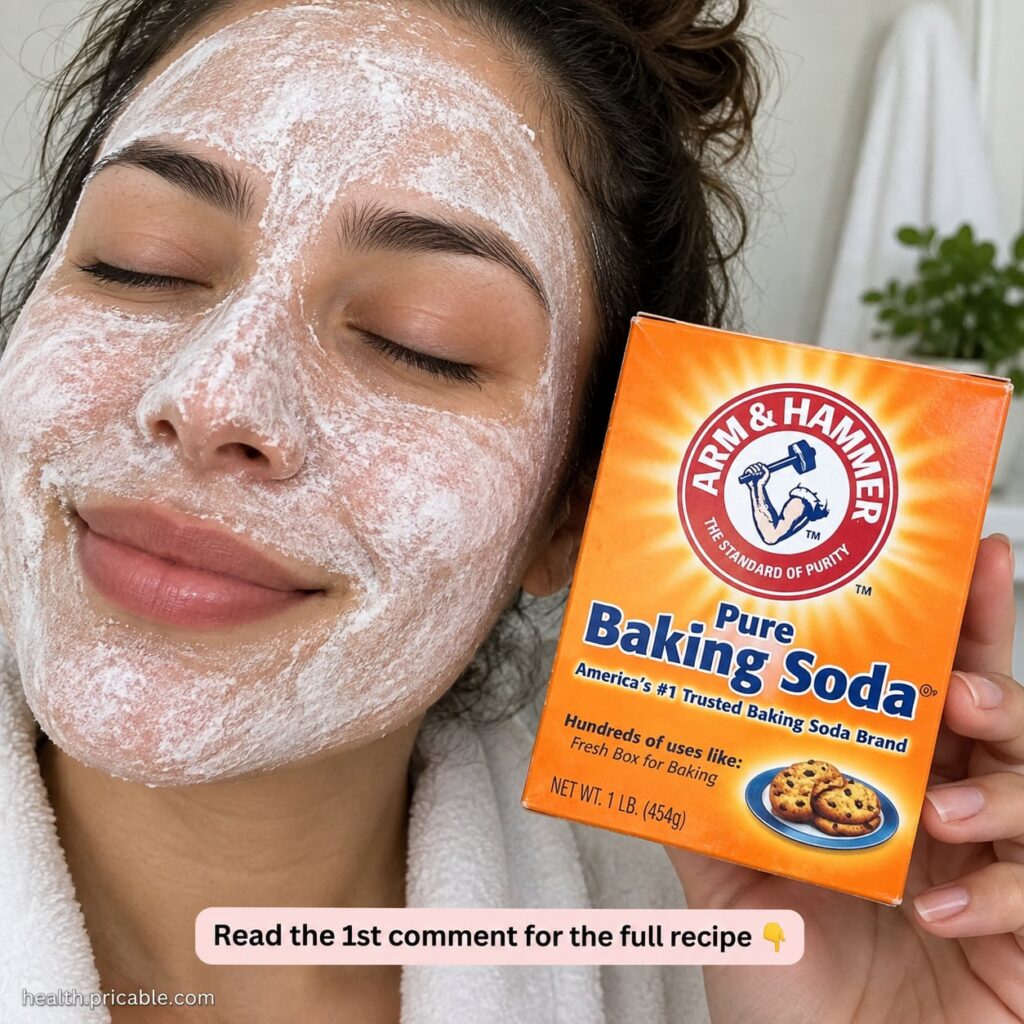
Quick Recipe
Prep time: 5 minutes
Best for: Boosting skin’s appearance, gentle exfoliation, targeting blemishes
Use type: Mask, scrub, paste
Main ingredients:
- Baking Soda
- Water
- Honey (optional for mask)
- Mild Facial Cleanser (optional for scrub)
Ingredients
- Baking Soda (Sodium Bicarbonate): A common household ingredient.
- Water: To create pastes and rinses.
- Raw Honey: Known for its humectant and soothing properties, great for masks.
- Mild Facial Cleanser: For a gentler scrub base.
How to Make It
We’re covering three distinct methods for incorporating baking soda into your beauty routine, each tailored for a different skin goal.
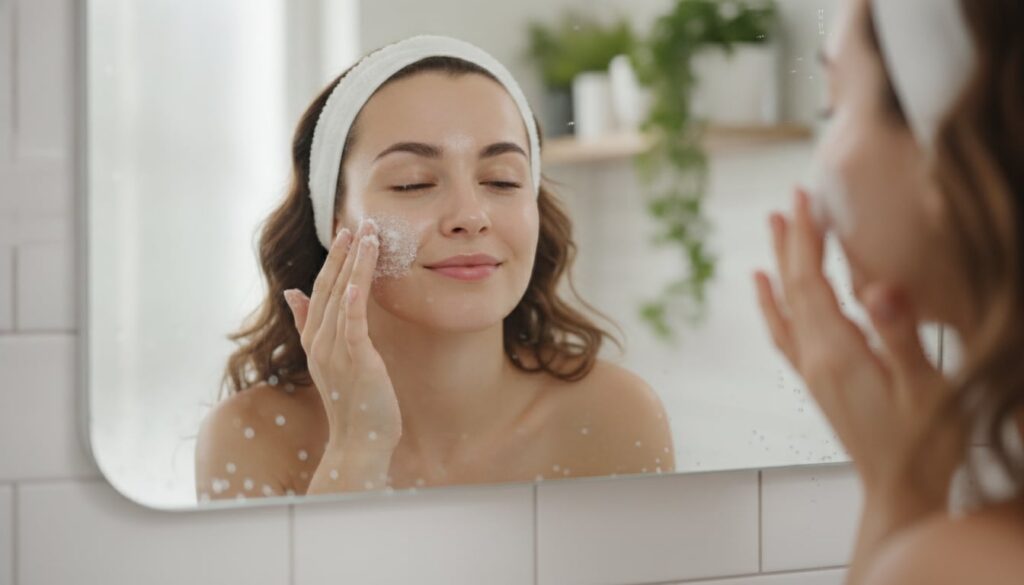
Method 1: Gentle Baking Soda Facial Scrub
This method is designed to gently buff away dullness, supporting a smoother skin texture.
Ingredients for Gentle Facial Scrub
- 1 teaspoon baking soda
- 1-2 teaspoons water or mild facial cleanser
How to Make Gentle Facial Scrub
- In a small, clean bowl, combine the baking soda with water or your chosen mild facial cleanser.
- Mix well until a smooth, thin paste forms. Adjust consistency by adding more liquid or baking soda as needed.
How to Use Gentle Facial Scrub
- Start with a clean, damp face.
- Apply the paste to your face, gently massaging in small, circular motions. Focus on areas prone to dullness or congestion, avoiding the delicate eye area.
- Rinse thoroughly with lukewarm water, ensuring all residue is removed.
- Pat your skin dry and follow with your favorite moisturizer.
Method 2: Clarifying Baking Soda Face Mask
A purifying mask that may help absorb excess oil and give your skin a fresh, clean feel.
Ingredients for Clarifying Face Mask
- 1 tablespoon baking soda
- 1 tablespoon water
- ½ teaspoon raw honey (optional, for added moisture)
How to Make Clarifying Face Mask
- In a small, clean bowl, mix baking soda and water until you get a thick paste.
- If using, stir in the raw honey until fully combined.
How to Use Clarifying Face Mask
- Apply an even layer of the paste to a clean face, avoiding the eye and mouth areas.
- Leave on for no more than 5 minutes.
- Rinse off gently with lukewarm water, using circular motions to help with removal.
- Follow with a hydrating toner and moisturizer.

Method 3: Targeted Baking Soda Spot Treatment
For occasional blemishes, a concentrated paste can be applied directly to help reduce the appearance of redness.
Ingredients for Targeted Spot Treatment
- ½ teaspoon baking soda
- A few drops of water
How to Make Targeted Spot Treatment
- In a tiny bowl or on a clean palm, mix baking soda with just enough water to form a thick, concentrated paste.
How to Use Targeted Spot Treatment
- After cleansing, dab a small amount of the paste directly onto the blemish.
- Leave on for no more than 10 minutes.
- Gently rinse the treated area with water.
- Avoid applying other harsh products to the treated spot immediately afterward.
How Often to Use It
For all methods, start by using once a week at most, or even less frequently, depending on your skin’s sensitivity. If your skin tolerates it well and you desire further use, limit to a maximum of 1-2 times per week. The spot treatment should only be used as needed. Discontinue immediately if any irritation occurs.
Why These Ingredients Are Used
Baking Soda
Baking soda, or sodium bicarbonate, is a mild abrasive and an alkaline substance. In traditional home remedies, it’s often used for its exfoliating properties, which may help to gently slough off dead skin cells when used carefully. Its slightly alkaline nature is thought by some to help balance oily skin, though this should be approached with caution as it can disrupt the skin’s natural pH.
Water
Simple water is the essential solvent here, helping to create a usable paste consistency for all three remedies. It ensures the baking soda can be applied smoothly and rinsed off easily.
Raw Honey
When added to a mask, raw honey is a wonderful natural humectant, meaning it helps draw moisture into the skin. It also has traditional soothing properties, which can be beneficial in balancing the potentially drying effect of baking soda.
What Results to Expect
With careful and infrequent use, these baking soda remedies may help your skin appear brighter and feel smoother. You might notice a reduction in the appearance of dullness and a cleaner-looking complexion. Remember, consistency and gentle application are key, and individual results can vary.
Safety Notes
- Always Patch Test: Before applying any baking soda remedy to your face, perform a patch test on a small, inconspicuous area of skin (like behind the ear or on your inner arm) and wait 24 hours to check for any adverse reactions.
- Use Gently and Infrequently: Baking soda can be abrasive and alter your skin’s natural pH. Never scrub harshly, and limit use to once or twice a week at most.
- Avoid Irritated or Broken Skin: Do not use baking soda remedies on skin that is broken, irritated, sunburned, or has conditions like eczema or rosacea.
- Avoid Eye Area: Keep baking soda remedies away from the delicate skin around your eyes and mouth.
- Stop Immediately if Discomfort Occurs: If you experience any redness, itching, burning, excessive dryness, or irritation, rinse off the product immediately with cool water and discontinue use.
- Consult a Professional: If you have sensitive skin, existing skin conditions, or are unsure about using baking soda on your face, consult with a dermatologist before trying these remedies.
FAQ
Is baking soda safe to use on my face every day?
No, baking soda is generally not recommended for daily facial use. Its alkaline pH can disrupt your skin’s natural acid mantle, leading to dryness, irritation, and potentially compromising your skin barrier. Stick to infrequent use, as described in the “How Often to Use It” section.
Can baking soda remove blackheads?
While baking soda’s mild abrasive quality might temporarily make blackheads appear less noticeable by exfoliating the skin’s surface, it does not “remove” blackheads in the way a professional extraction or consistent use of salicylic acid might. For persistent blackheads, it’s best to consult a dermatologist.
What should I do if my skin feels dry after using baking soda?
If your skin feels dry, tight, or irritated after using a baking soda remedy, rinse it off completely and apply a rich, hydrating moisturizer. Consider reducing the frequency of use or diluting the baking soda further next time. If irritation persists, discontinue use.
Final Thoughts
Embracing simple, traditional remedies like these baking soda methods can be a delightful way to explore natural beauty. Remember that gentle care and listening to your skin are always paramount. Give these “grandma-approved” ideas a try, and perhaps you’ll find your own secret to a naturally radiant, fresher-looking glow! Share your experiences in the comments below.