Most people ignore this common garden plant, often pulling it out as a nuisance or an unwanted intruder. But what if we told you that the very ‘weed’ you despise holds a potent secret to natural well-being? Dandelion, specifically its roots and leaves, is a powerhouse of beneficial compounds, a true golden gem often overlooked right in your own backyard. It’s time to stop seeing it as a pest and start viewing it as a versatile ingredient for supporting your body’s natural processes.
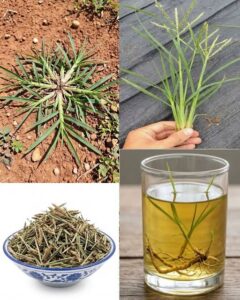
What is Dandelion (Root & Leaf)?
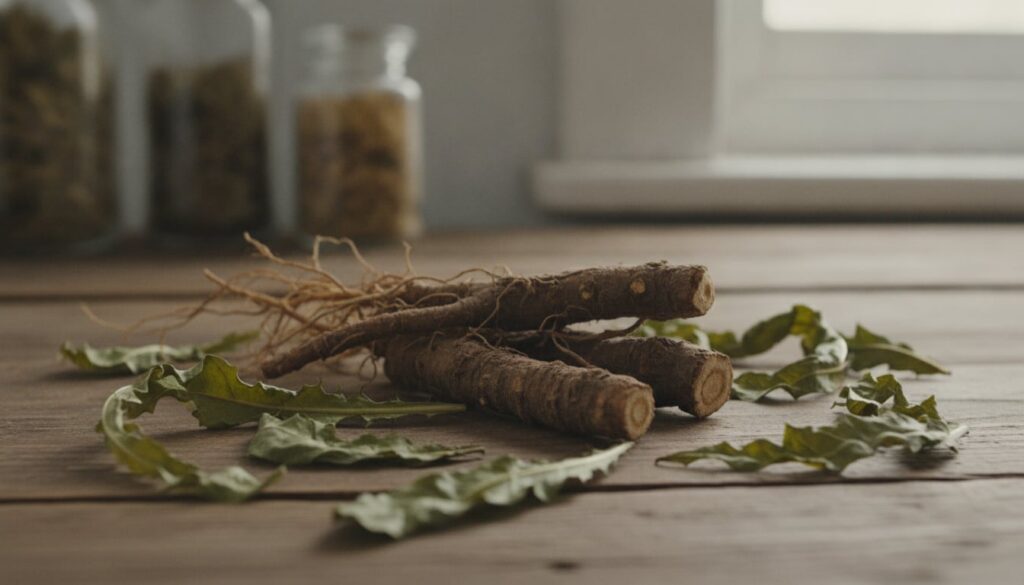
Dandelion, scientifically known as Taraxacum officinale, is far more than just a ubiquitous lawn weed. Every part of this resilient plant has been traditionally valued across cultures for its distinct properties. The vibrant green leaves are rich in vitamins and minerals, often consumed raw in salads or cooked. The taproots, on the other hand, are commonly roasted and used as a coffee substitute or prepared as a decoction. Both parts contain unique compounds that make them popular in herbal preparations aimed at supporting digestive health and overall vitality.
Ingredients for Your Dandelion Remedy (Tea)
Creating a simple yet effective dandelion remedy at home is straightforward. For a basic dandelion root and leaf tea, you’ll need just a few key components:
- Fresh or dried dandelion leaves
- Fresh or dried dandelion root
- Filtered water
Approximate Measurements
Accuracy isn’t critical with herbal teas, but these measurements provide a good starting point:
- Dandelion Leaves: 1-2 teaspoons (dried) or 1 tablespoon (fresh, chopped)
- Dandelion Root: 1 teaspoon (dried, chopped) or 1 tablespoon (fresh, chopped)
- Filtered Water: 8-10 ounces (about 1 cup)
You can adjust these ratios to suit your taste preference and desired strength.
Formula / Recipe: Dandelion Detox Tea
This recipe focuses on a robust tea combining both the earthy notes of the root and the slightly bitter, fresh taste of the leaves. This combination is believed to offer a broader spectrum of the plant’s compounds.
Step-by-Step Method
- Harvesting/Sourcing: If using fresh dandelion, carefully harvest from an untreated area, far from roadsides or areas sprayed with pesticides. Wash roots and leaves thoroughly under cold water.
- Preparation:
- For fresh roots: Scrub clean, then chop into small, pea-sized pieces.
- For dried roots: Ensure they are already chopped or chop them if necessary.
- For fresh leaves: Rinse thoroughly and roughly chop.
- For dried leaves: Use as is.
- Combine: Place the chopped dandelion root and leaves into a small saucepan or a heat-safe mug.
- Add Water: Pour 8-10 ounces of filtered water over the dandelion material.
- Simmer (for roots): If using root, bring the mixture to a gentle boil, then reduce heat and simmer for 5-10 minutes. This helps extract compounds from the denser root.
- Steep (for leaves): Remove from heat, then add the leaves (if you only simmered the roots). Cover the pot or mug to prevent essential oils from escaping and let it steep for another 5-10 minutes.
- Strain: Strain the tea through a fine-mesh sieve into your favorite mug.
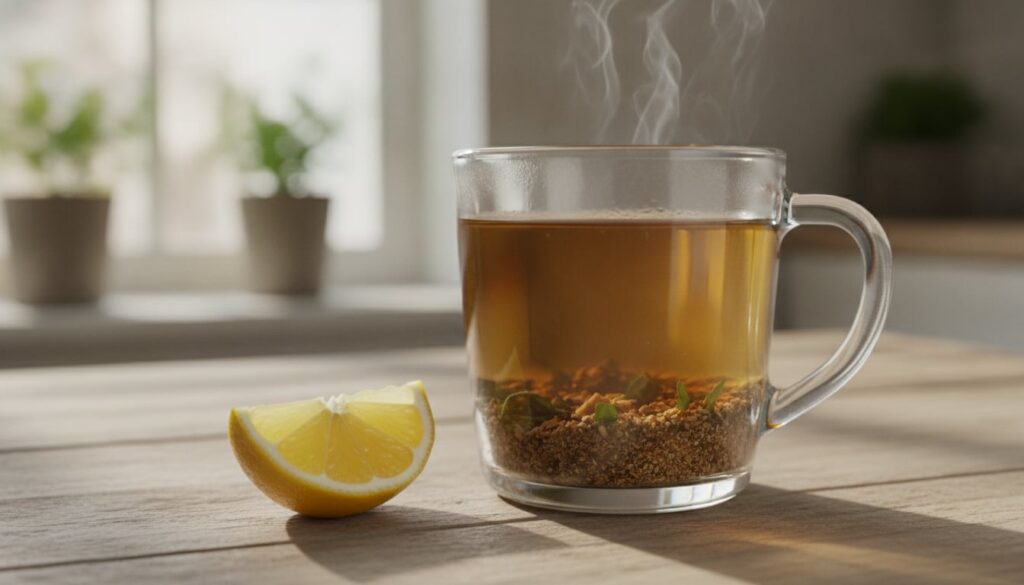
- Enjoy: You can drink it warm. Some prefer to add a touch of honey or lemon for flavor, though it’s best to appreciate its natural taste first.
How to Use
Dandelion tea is primarily consumed orally. It’s often enjoyed as a warm beverage, similar to traditional tea. For those seeking alternatives, dandelion root can also be roasted and ground to make a coffee-like beverage, while the leaves can be incorporated into salads, smoothies, or cooked greens.
How Often to Use
For general wellness support, drinking 1-2 cups of dandelion tea per day is a common recommendation. It’s often suggested to consume it before meals to potentially aid digestion. Listen to your body and adjust frequency as needed. Extended daily use is generally considered safe for most individuals, but it’s always wise to take breaks or consult with a healthcare professional for specific concerns.
How to Buy / How to Choose Ingredients
If you’re not harvesting your own, quality sourcing is key:
- Dried Dandelion: Look for organic, reputable suppliers. Ensure the product is brightly colored and has a fresh, earthy aroma. Avoid anything that looks dull, dusty, or has an off smell.
- Fresh Dandelion: If purchasing from a farmer’s market, ask about their growing practices to ensure no pesticides were used.
- Wildcrafting: This is a rewarding option, but crucial to do safely. Only harvest from areas you know are free from chemical sprays (e.g., herbicides, pesticides) and away from busy roadsides where plants might absorb pollutants. Always positively identify the plant before consuming.
Both fresh and dried dandelion parts can be used, but they behave differently. Fresh dandelion often yields a more vibrant, slightly bitter flavor, while dried has a more concentrated, earthy taste. Dried material also has a longer shelf life and is convenient to store.
| Feature | Fresh Dandelion | Dried Dandelion |
|---|---|---|
| Flavor Profile | Vibrant, slightly bitter, greener | Earthy, more concentrated, less bitter |
| Preparation | Requires washing & chopping | Ready to use (if pre-chopped) |
| Storage | Perishable, lasts days in fridge | Long shelf life (months to a year) |
| Potency | Generally considered active | More concentrated by weight |
| Availability | Seasonal (spring/fall) | Year-round |
Storage
- Fresh Dandelion: Store unwashed leaves and roots in a loose plastic bag in the refrigerator for up to 3-5 days. For longer storage, you can blanch and freeze leaves, or dry both leaves and roots.
- Dried Dandelion: Store dried leaves and roots in airtight containers away from direct sunlight, heat, and moisture. A cool, dark pantry is ideal. Properly stored, dried dandelion can last for 6 months to a year.
- Prepared Tea: Dandelion tea is best consumed fresh. If you have leftovers, refrigerate them in a sealed container and consume within 24-48 hours.
Practical Tips
- Harvesting Timing: Harvest young dandelion leaves in spring for a less bitter taste. Roots are best harvested in the fall or early spring when the plant’s energy is stored in them.
- Cleaning is Key: Dandelion roots can hold a lot of soil. Use a brush to scrub them thoroughly.
- Experiment with Blends: Dandelion tea can be quite bitter for some. Try blending it with peppermint, ginger, or licorice root to soften the flavor profile.
One of the biggest errors when using wild-harvested dandelion is collecting it from areas treated with herbicides or pesticides. These chemicals can be absorbed by the plant and then transferred into your remedy, negating any potential health benefits and potentially causing harm. Always confirm your harvesting site is clean and chemical-free.
Common Mistakes
- Improper Identification: Mistaking dandelion for a similar-looking but potentially toxic plant. Always be 100% sure of your identification.
- Not Washing Thoroughly: Especially with wild-harvested roots, failing to remove all dirt can affect the taste and cleanliness of your tea.
- Boiling Leaves Too Long: While roots benefit from simmering, leaves can become overly bitter and lose some delicate compounds if boiled excessively. Steeping in hot water is usually sufficient for leaves.
- Storing in Wet Conditions: Whether fresh or dried, moisture is the enemy of stored herbs, leading to mold growth. Ensure everything is completely dry before sealing for storage.
Cautions / Who Should Avoid It
While generally safe for most, dandelion isn’t for everyone:
- Allergies: Individuals allergic to ragweed, chrysanthemums, marigolds, or daisies may experience an allergic reaction to dandelion.
- Gallstones/Bile Duct Obstruction: Dandelion can stimulate bile flow, which might be problematic for those with gallstones or blocked bile ducts. Consult a doctor.
- Medication Interactions: Dandelion can interact with certain medications, including diuretics (due to its natural diuretic effect), blood thinners, and medications for diabetes.
- Pregnancy and Breastfeeding: Limited research exists; consult a healthcare provider before use.
- Acid Reflux/GERD: The bitterness might exacerbate symptoms in some individuals.
Quick Summary
Dandelion (roots and leaves) makes an excellent natural tea for general wellness support. Best prepared by simmering roots and then steeping leaves in filtered water. Use 1-2 teaspoons dried leaves and 1 teaspoon dried root per cup. Store fresh parts in the fridge briefly or dry them; store dried parts in airtight containers in a cool, dark place. Avoid wildcrafting from sprayed areas and consult a doctor if you have allergies, gallstones, or are on medication.
FAQ
- Can I use fresh or dried dandelion? Both are effective. Fresh offers a different flavor profile, while dried is convenient for year-round use.
- How long does dandelion tea last? Best consumed immediately after brewing. Refrigerate leftovers and drink within 24-48 hours.
- Can I refrigerate raw dandelion? Yes, store fresh leaves and roots in a plastic bag in the fridge for 3-5 days.
- How often should I use dandelion tea? 1-2 cups per day is a common recommendation, but listen to your body and consult a professional for specific health goals.
- What part of the dandelion is best? Both roots and leaves have distinct properties. Combining them (as in this tea) often provides a more comprehensive remedy.
- Can I reuse the leaves/roots for another batch? While some flavor might remain, the majority of beneficial compounds are extracted in the first brew. It’s generally not recommended for maximum potency.
- When should I avoid dandelion? If you have allergies to related plants, gallstones, a bile duct obstruction, or are taking certain medications (diuretics, blood thinners, diabetes meds), consult a doctor before use.
- Is all dandelion safe to harvest? No. Only harvest from areas you know are free from pesticides, herbicides, and pollution.
You may also like: How to Make a Soothing Nettle Tea
Read more: Elderberry Syrup: Your Immune-Boosting Ally
Conclusion
From an unassuming garden ‘weed’ springs a wealth of natural potential. Dandelion, with its roots and leaves, offers a simple yet profound way to engage with herbal wellness. By understanding its preparation, proper usage, and important cautions, you can transform this common plant into a valuable part of your home remedy kit. Next time you spot a dandelion, you might just see it for the secret gold it truly is.