Seeing more grey hairs lately? It’s a natural part of life, but many of us look for gentle ways to maintain our hair’s vibrancy. A fascinating trend has been circulating in the DIY beauty world: the ‘Black Oil’ remedy. People are exploring this natural approach, hoping to boost their hair’s natural pigment and reduce the appearance of greys.
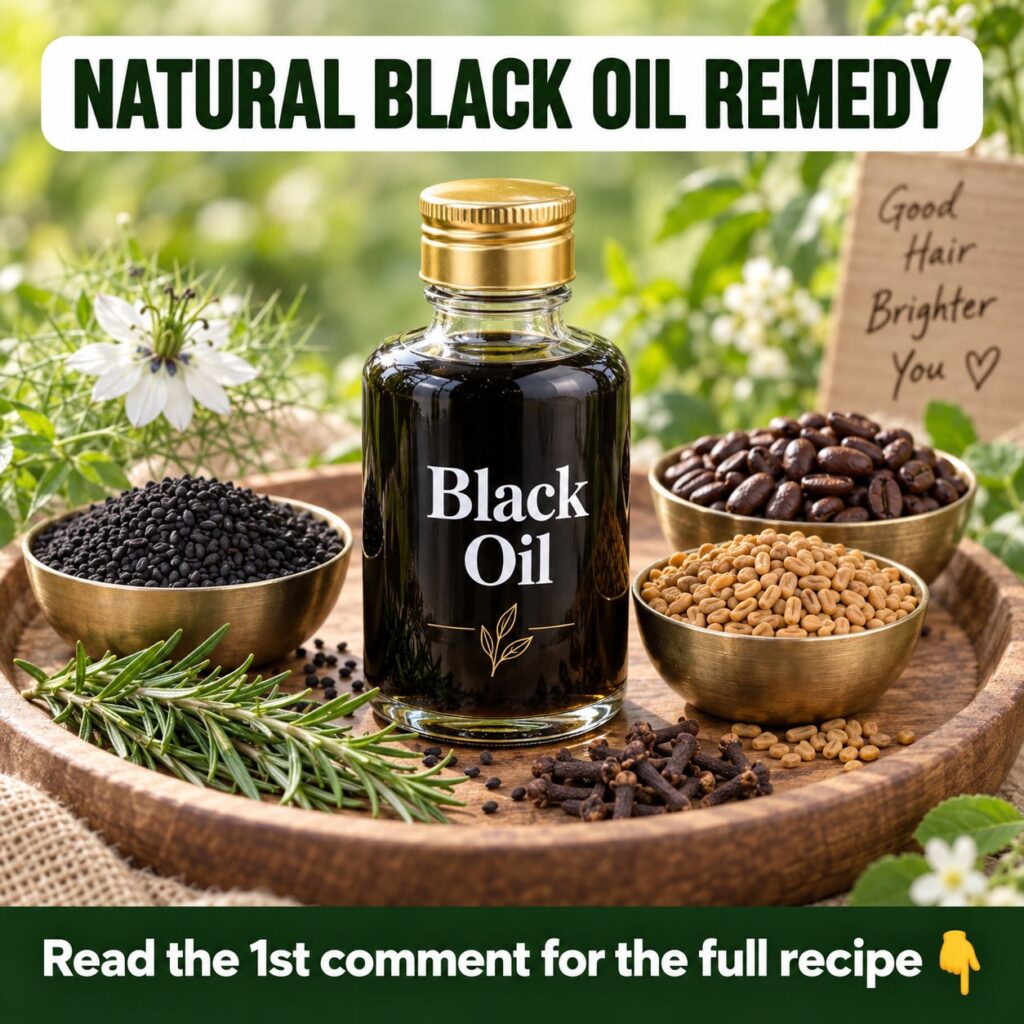
What Exactly is the ‘Black Oil’ Remedy?
The ‘Black Oil’ remedy isn’t a single, universally defined product, but rather a popular term for a range of natural oil blends that people are trying for their hair. These blends typically incorporate a mix of carrier oils and potent herbal infusions known in traditional beauty practices for their hair-darkening and strengthening properties. The idea is to nourish the scalp and hair follicles, potentially supporting the hair’s natural color production over time.
Why Are People Turning to Natural Solutions for Grey Hair?
For many, the appeal of natural remedies lies in their gentle approach and the desire to avoid harsh chemicals. Conventional hair dyes can sometimes be drying or irritating, and people are increasingly seeking alternatives that nourish their hair rather than just coloring it. The ‘Black Oil’ remedy fits perfectly into the DIY beauty philosophy of using what nature provides to support overall hair health.
Key Ingredients Often Explored in ‘Black Oil’ Blends
While the exact composition can vary, many popular ‘black oil’ formulations incorporate ingredients revered for their benefits to hair health and color:
- Amla (Indian Gooseberry): Rich in Vitamin C and antioxidants, Amla is a superstar in Ayurvedic hair care. It’s often associated with promoting hair growth, strengthening roots, and maintaining natural hair color.
- Bhringraj (False Daisy): Another Ayurvedic powerhouse, Bhringraj oil is widely used to promote hair growth, improve hair texture, and is sometimes believed to help darken hair naturally.
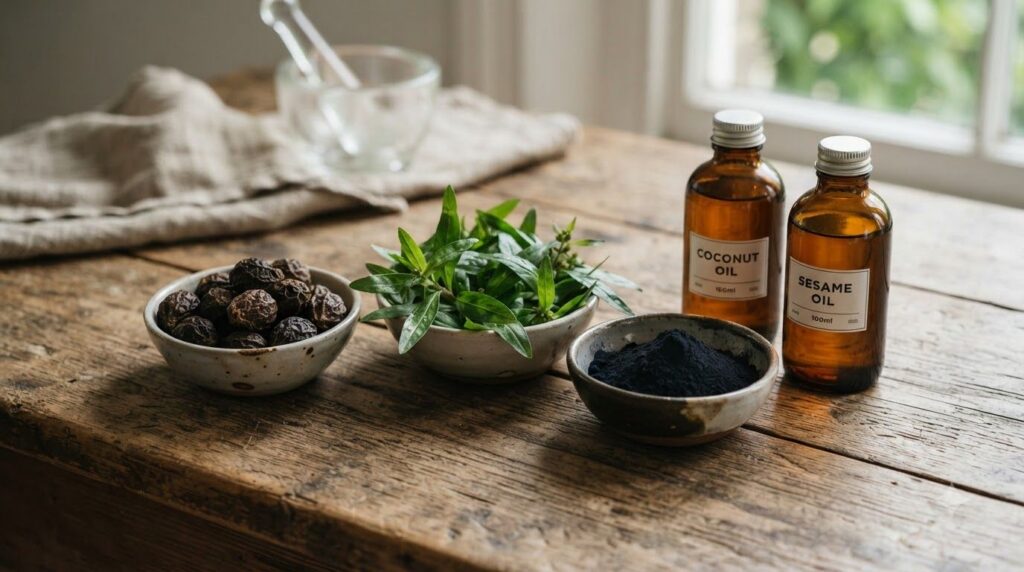
- Henna: While often thought of as a dye, henna in its natural form (not black henna, which can contain PPD) can condition hair and add a reddish tint. Some ‘black oil’ concepts might use small amounts or extracts for conditioning properties or for a darker tone when combined with other ingredients.
- Indigo Powder: Often used with henna, indigo powder can help achieve darker, blacker shades when applied to hair. Some ‘black oil’ preparations might infuse carrier oils with indigo for its coloring potential.
- Carrier Oils: Bases like coconut oil, sesame oil, or mustard oil are often used to infuse these herbs. These oils themselves are excellent for moisturizing, conditioning, and protecting hair.
How People Are Trying the ‘Black Oil’ Remedy
The application of these ‘black oil’ blends is generally straightforward, fitting into a regular hair care routine:
- Preparation: If you’re creating your own blend, it typically involves infusing the chosen herbs into a carrier oil over a period of time, or using pre-made herbal oils.
- Application: Gently warm the oil (optional, but can enhance absorption). Massage the oil into your scalp using your fingertips, ensuring even coverage. Work your way down to the ends of your hair.
- Leave-in Time: People often leave the oil on for at least an hour, or even overnight for deeper conditioning and potential benefits.
- Washing: Wash your hair thoroughly with a mild, natural shampoo to remove the oil. You might need to shampoo twice.
- Consistency: For best results, consistency is key. People often incorporate this routine 1-2 times a week.
Important Considerations Before You Try This
While natural remedies are often gentle, it’s always wise to proceed with caution and managing expectations:
- Patch Test: Always perform a patch test on a small area of your skin (like behind your ear) 24-48 hours before applying any new remedy to your entire scalp to check for allergic reactions.
- Manage Expectations: This is not a magic bullet. Natural remedies work gradually, and results can vary greatly from person to person. The goal is often to diminish the appearance of greys or slow down further greying, rather than a complete reversal.
- Consistency is Key: Like many natural routines, patience and regular application are essential to see potential benefits.
- Individual Results May Vary: Hair type, genetics, and overall health play a significant role in how your hair responds to any treatment.
- Consult a Professional: If you have underlying scalp conditions or concerns about hair loss, it’s always best to consult with a dermatologist or healthcare professional.
The ‘Black Oil’ remedy represents a popular, natural approach that many are trying to support their hair’s natural pigment and vitality. By understanding the common ingredients and methods, you can decide if this trending hack is worth exploring for your own hair care journey. Remember, beautiful hair starts with a healthy scalp and nourishing ingredients!