You might have seen the buzz about a viral DIY hand treatment using Vaseline and baking soda for younger-looking hands. This unexpected mix is trending online with claims of rejuvenating the appearance of skin. Here’s a look at how this remedy is often prepared and used, along with important safety considerations.
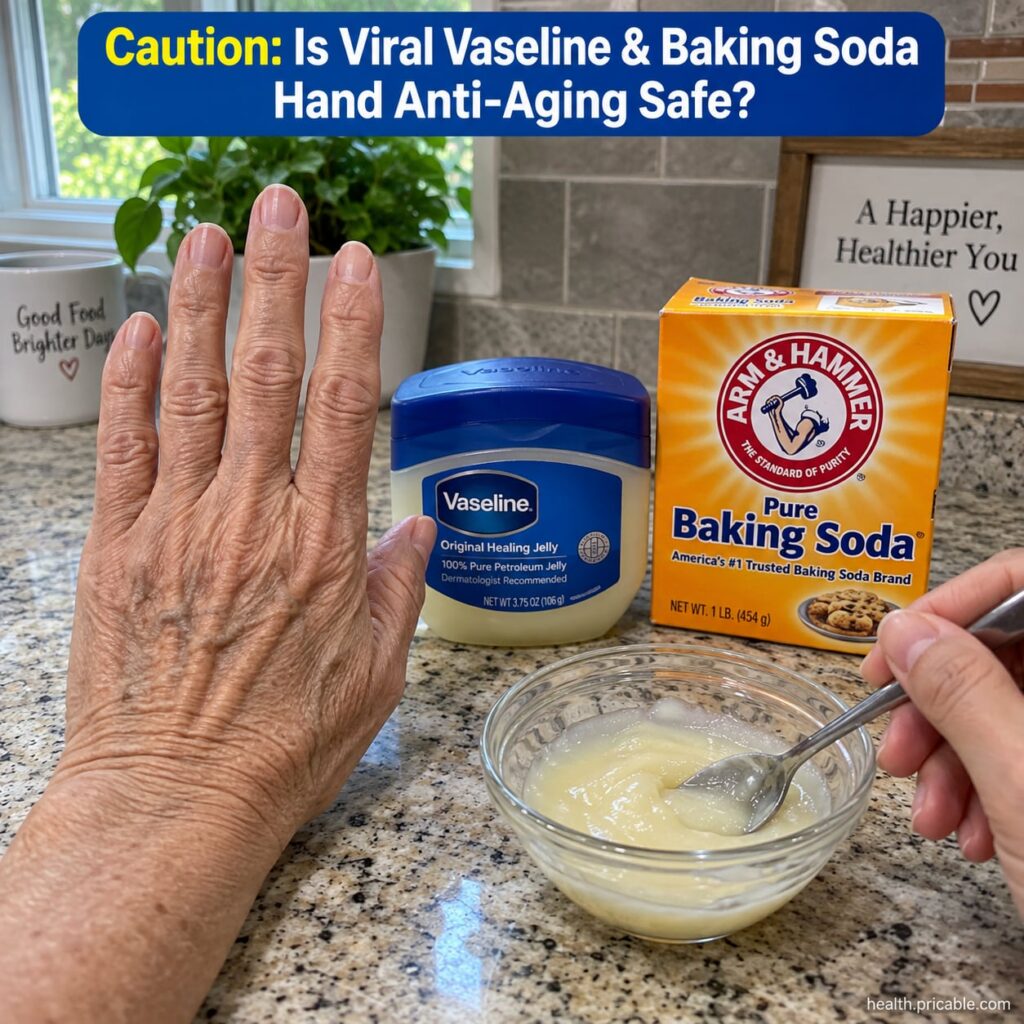
Quick Recipe
This recipe creates a paste designed to be gently applied to the hands.
Prep time: 2 minutes
Best for: Addressing the appearance of dullness or uneven texture on hands
Use type: Topical paste/scrub
Main ingredients:
- Petroleum jelly (Vaseline)
- Baking soda
Ingredients
- 1 tablespoon petroleum jelly (such as Vaseline)
- 1 teaspoon baking soda (sodium bicarbonate)
How to Make It
- In a small, clean bowl, combine the 1 tablespoon of petroleum jelly and 1 teaspoon of baking soda.
- Mix thoroughly with a spoon or clean spatula until you achieve a smooth, uniform paste.
- Ensure there are no lumps of baking soda, as these could be too abrasive.
How to Use It
- Cleanse hands: Wash your hands thoroughly with mild soap and warm water, then pat them dry.
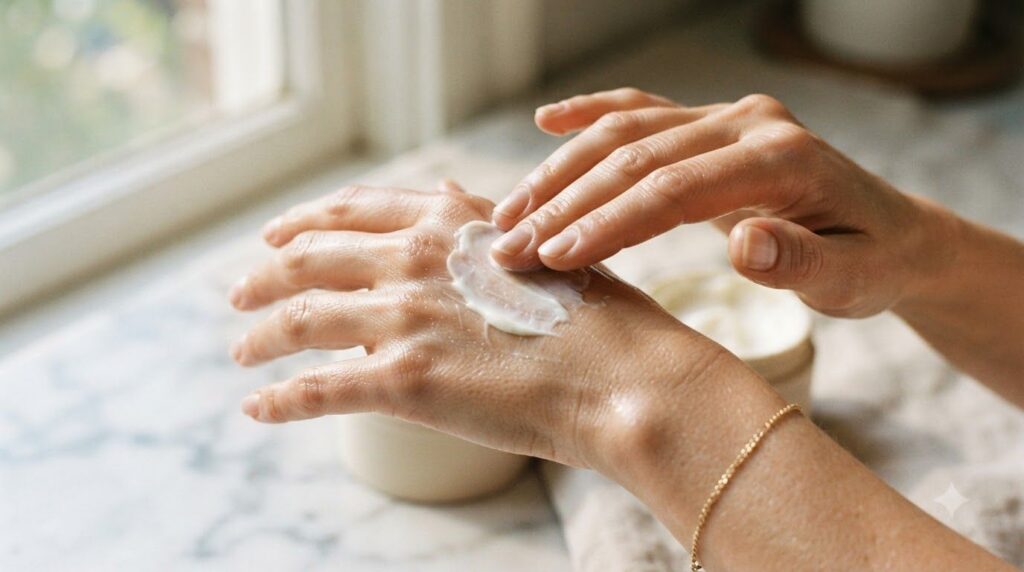
- Apply the paste: Take a small amount of the mixed paste and gently apply it all over your hands, focusing on areas you wish to treat.
- Massage gently: With light, circular motions, gently massage the paste into your skin for about 30 seconds to 1 minute. Avoid harsh scrubbing.
- Leave on (optional): Some users let the paste sit for a few minutes (e.g., 2-3 minutes) before rinsing.
- Rinse thoroughly: Rinse your hands well with lukewarm water to remove all traces of the paste.
- Moisturize: Finish by applying a good quality hand cream or moisturizer to lock in hydration.
How Often to Use It
Due to the abrasive nature of baking soda, this treatment should be used sparingly. Starting with once a week is advisable, and if your skin tolerates it well, you might consider increasing to twice a week at most. Discontinue use immediately if any irritation occurs.
Why These Ingredients Are Used
Petroleum Jelly (Vaseline)
Petroleum jelly is a well-known occlusive agent, meaning it forms a protective barrier on the skin’s surface. This barrier helps to prevent moisture loss, which can keep the skin hydrated and support a smoother, plumper appearance. It’s often used to protect and heal dry or damaged skin.
Baking Soda
Baking soda (sodium bicarbonate) is a mild abrasive often used in DIY remedies for its exfoliating properties. When mixed into a paste, it’s intended to help gently slough off dead skin cells, which some believe can contribute to a brighter-looking skin tone and a smoother feel. However, baking soda has a high pH, which can disrupt the skin’s natural acid mantle, potentially leading to dryness, irritation, or sensitivity, especially with frequent or vigorous use.
What Results to Expect
Users of this remedy often report that their hands feel softer and look smoother immediately after use. The gentle exfoliation from baking soda may help to improve the appearance of dullness, while the petroleum jelly can leave the skin feeling hydrated and protected. With consistent, cautious use, some may notice a temporary improvement in the overall appearance and texture of their hands, contributing to a more ‘rejuvenated’ look.
Safety Notes
- Patch test first: Always perform a patch test on a small, inconspicuous area of your skin (like your forearm) 24 hours before applying the remedy to your hands to check for any adverse reactions.
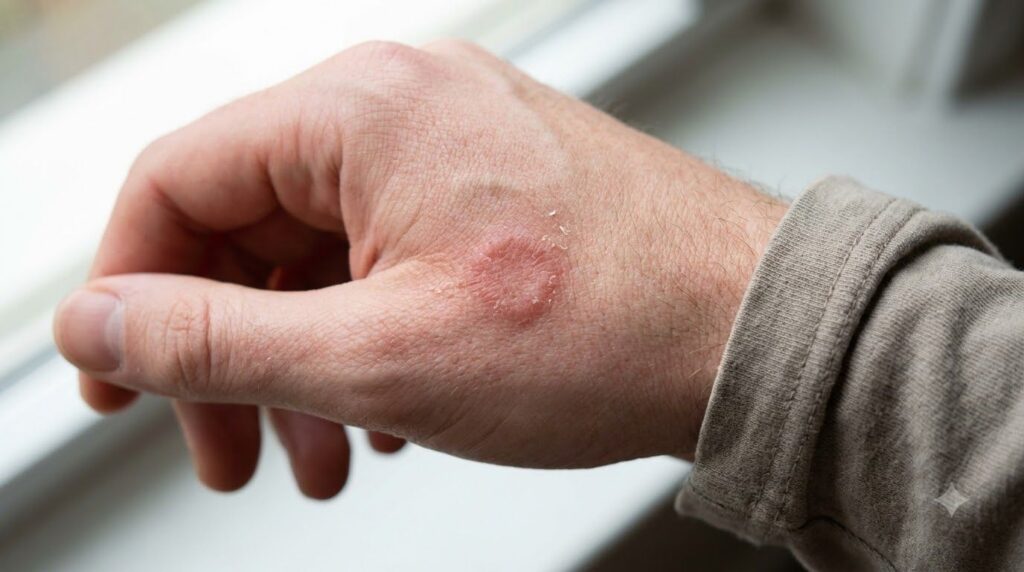
- Avoid irritated or broken skin: Do not use this mixture on hands with cuts, scrapes, sunburn, or any form of irritation, as baking soda can exacerbate these conditions.
- Use gently: Baking soda is an abrasive. Avoid harsh scrubbing, which can lead to micro-tears in the skin and irritation.
- High pH: Baking soda has a high pH level (alkaline), which can disrupt the skin’s natural acidic balance. This may lead to dryness, redness, or increased sensitivity, especially for those with sensitive skin.
- Stop using if discomfort occurs: If you experience any stinging, burning, excessive redness, or irritation, rinse your hands immediately with plenty of water and discontinue use.
- Consult a dermatologist: If you have concerns about skin aging or severe skin conditions, it’s always best to consult with a dermatologist for personalized advice and professional treatments.
FAQ
Is this remedy safe for all skin types?
No, due to the exfoliating and alkaline nature of baking soda, it may not be suitable for all skin types, especially those with sensitive, dry, or compromised skin. Always patch test first.
Can I use this on my face?
It is generally not recommended to use this remedy on the face. Facial skin is much thinner and more delicate than hand skin, making it more prone to irritation from baking soda’s abrasive properties and high pH.
What are alternatives for younger-looking hands?
For hand care, focus on daily moisturizing, using sunscreen on your hands, and gentle exfoliation with products specifically formulated for the skin, such as those containing AHAs or retinoids (under professional guidance). Regular hand massages and wearing gloves for household chores can also help maintain skin health.
Final Thoughts
While the Vaseline and baking soda hand treatment is a popular viral trend for those seeking a DIY approach to younger-looking hands, it comes with important caveats. Balancing the exfoliating action of baking soda with the hydrating properties of petroleum jelly can offer temporary aesthetic benefits. However, always prioritize your skin’s health by conducting patch tests, using it sparingly, and listening to your skin’s reactions. For more advanced or persistent concerns, consulting with a skincare professional is always the best path. Share your thoughts and experiences in the comments below!