The internet is abuzz with a DIY beauty hack combining Vaseline and lime for dark spots, but this trending method poses significant risks to your skin. We’re breaking down exactly why this popular approach is a skincare no-go.
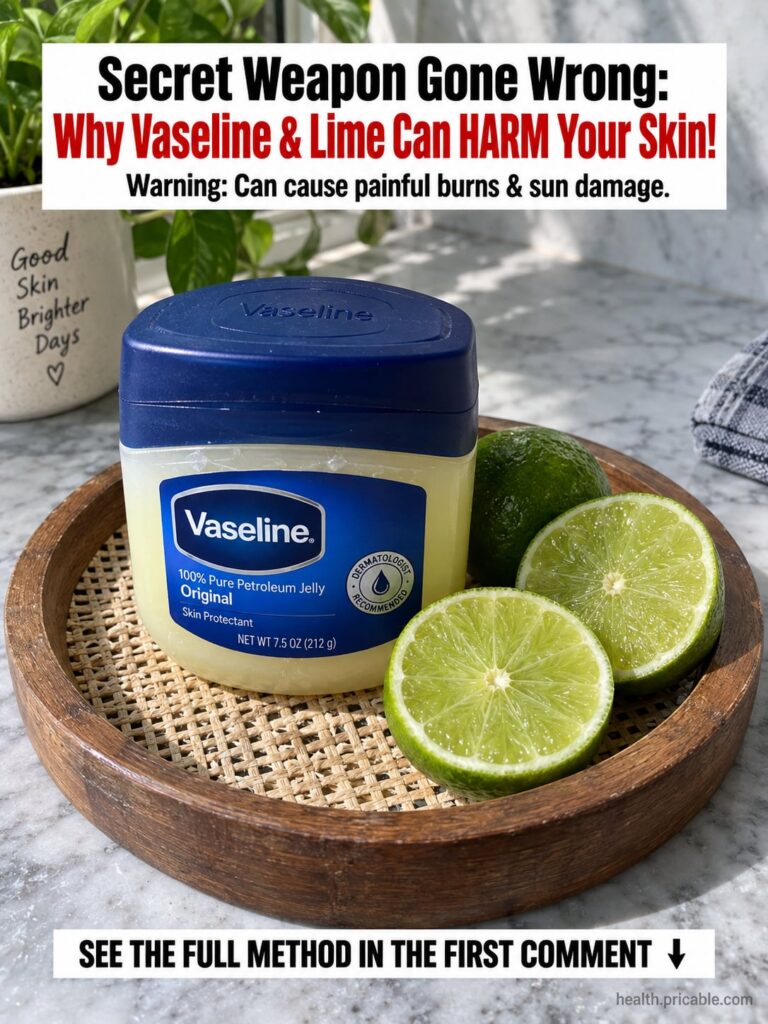
Quick Warning: Avoid This DIY Hack
Use type: DO NOT USE TOPICALLY. This combination is dangerous for skin.
Main ingredients: Vaseline (Petroleum Jelly), Fresh Lime Juice.
Safety Note: Combining these ingredients for topical skin application is highly unrecommended and can cause severe skin damage.
Understanding the Ingredients and Their Dangers
Vaseline (Petroleum Jelly)
Vaseline is a petroleum-based product known for its occlusive properties, meaning it creates a barrier on the skin. It’s often used to lock in moisture, protect minor cuts, and soothe very dry skin. However, its occlusive nature can also trap substances on the skin, potentially intensifying their effects—both good and bad. When used alone, it’s generally safe for most skin types.
Fresh Lime Juice
Lime juice is highly acidic and contains compounds called furanocoumarins. While some might think its acidity and vitamin C content could help “brighten” dark spots, furanocoumarins are notoriously phototoxic. This means when applied to the skin and then exposed to sunlight (UV radiation), they can cause a severe skin reaction known as phytophotodermatitis. This reaction can manifest as severe inflammation, redness, blistering, and even chemical-like burns.
Why This Combination is Dangerous
The idea behind this viral hack is often that lime’s “brightening” properties will reduce dark spots, and Vaseline will help it penetrate or protect the skin. However, this is a dangerous misconception.
When lime juice is applied to the skin, especially and then “sealed” under an occlusive layer like Vaseline, it can enhance the contact time and penetration of the phototoxic compounds. Subsequent exposure to sunlight can lead to a severe phototoxic reaction. This isn’t just a mild irritation; it can result in:
- Chemical Burns: Resembling second-degree burns, with redness, swelling, and blistering.
- Severe Hyperpigmentation: Paradoxically, the inflammation from the burn often leads to worsened dark spots (post-inflammatory hyperpigmentation) that can be more difficult to treat than the original spots.
- Increased Sun Sensitivity: The affected skin will be extremely vulnerable to sun damage for an extended period.
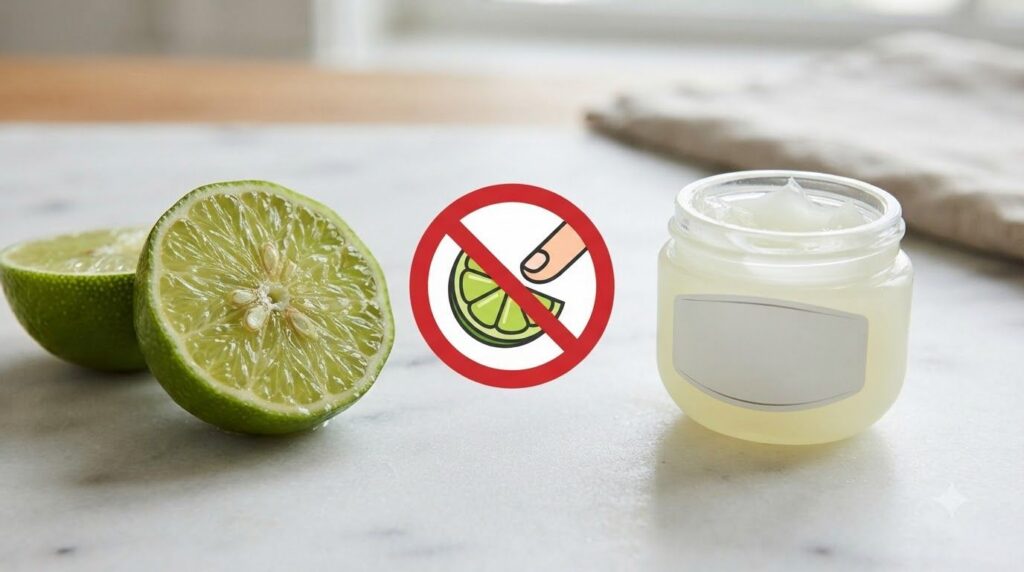
Do Not Make or Use This Remedy
Under no circumstances should you mix Vaseline and lime juice and apply it to your skin, especially for treating dark spots. The risks far outweigh any perceived benefit. This method is not supported by scientific evidence for treating hyperpigmentation and can instead cause significant harm.
What Results to Expect (The Harmful Kind)
If you use Vaseline and lime on your skin, particularly before sun exposure, you can expect severe adverse reactions. These may include:
- Intense redness and inflammation
- Itching and burning sensations
- Painful blisters and peeling skin
- Increased sensitivity to sunlight
- Worsening of existing dark spots or creation of new, more stubborn hyperpigmentation
- Potential for scarring in severe cases
These effects can appear hours or even a day after exposure and may require medical attention.
Safety Notes
- Avoid Topical Application: Never apply raw citrus juices, including lime, lemon, or grapefruit, directly to your skin, especially before sun exposure.
- Phytophotodermatitis: Be aware of this severe reaction caused by furanocoumarins in citrus fruits and other plants (like celery, parsnips) when exposed to UV light.
- Patch Test Principle: While we advise against this hack entirely, the general rule of patch testing applies to any new topical product. However, a patch test for phototoxic reactions might not show immediate results and still carry risks.
- Seek Medical Advice: If you experience redness, burning, blistering, or severe irritation after using any DIY remedy, especially one involving citrus, consult a healthcare professional or dermatologist immediately.
- Sun Protection is Key: Always use broad-spectrum sunscreen with an SPF of 30 or higher, even on cloudy days, to prevent dark spots and protect your skin from sun damage.
FAQ
Is lime juice ever safe to use on skin?
No, it is generally not safe to apply undiluted lime juice directly to the skin due to its phototoxic properties and high acidity, which can cause severe irritation and burns, especially when exposed to sunlight.
What are safer alternatives for treating dark spots?
For dark spots, consider over-the-counter products containing ingredients like niacinamide, vitamin C (in stable forms), alpha hydroxy acids (AHAs), or retinoids. For more persistent dark spots, consult a dermatologist for professional treatments like chemical peels, laser therapy, or prescription creams.
Can Vaseline alone cause dark spots or burns?
Vaseline (petroleum jelly) itself is non-comedogenic and generally safe. It doesn’t cause dark spots or burns on its own. The problem arises when it’s combined with phototoxic ingredients like lime juice, as it can trap these harmful compounds on the skin, intensifying their negative effects under sun exposure.
Final Thoughts
While the appeal of a simple, natural remedy for dark spots is understandable, it’s crucial to prioritize skin health and safety above viral trends. The combination of Vaseline and lime is a dangerous concoction that can lead to painful burns, severe hyperpigmentation, and lasting skin damage. Always research DIY beauty hacks thoroughly and, when in doubt, consult with a dermatologist for safe and effective solutions to your skincare concerns. Your skin deserves care, not harm!