Unlock the power of protein to build strength, aid recovery, and keep you feeling full throughout your day. Protein is a fundamental macronutrient, essential for countless bodily functions, from building and repairing tissues to producing enzymes and hormones. It’s more than just a muscle builder; it’s a cornerstone of overall health and well-being.
If you’re looking to optimize your diet for muscle health, energy, and lasting satiety, understanding your protein sources is key. This guide serves as your personal protein cheat sheet, designed to help you make informed choices on your next grocery trip and integrate protein-rich foods seamlessly into your daily routine. We’ll explore top protein sources and smart ways to incorporate them, supporting your goals for strength, recovery, and sustained fullness.
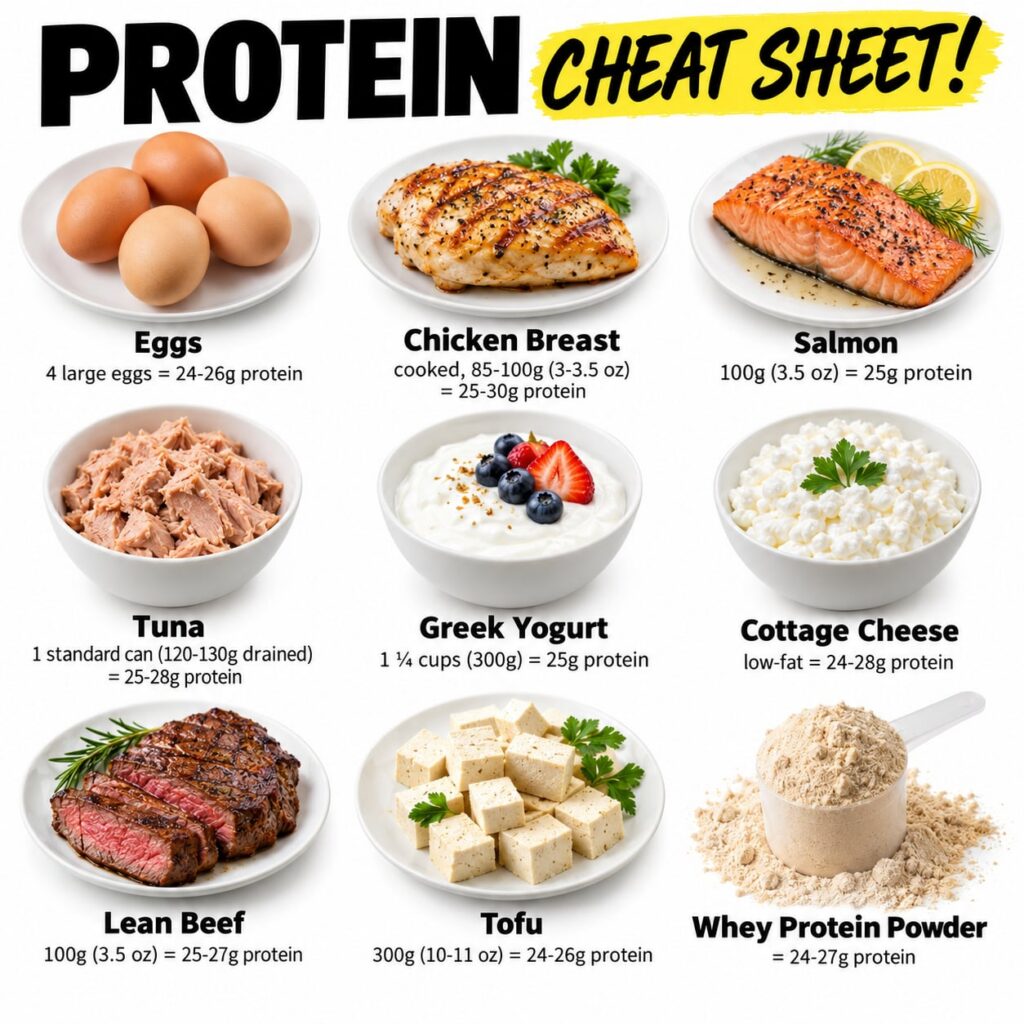
The Power of Protein: More Than Just Muscles
While often associated with bodybuilders and athletes, protein’s role extends far beyond muscle growth. It’s a vital component of every cell in your body and plays a critical part in numerous physiological processes:
- Muscle Repair and Growth: Protein provides the amino acids necessary to repair muscle tissue after exercise and build new muscle fibers, crucial for strength and recovery.
- Satiety and Weight Management: Protein-rich foods are known for their ability to promote a feeling of fullness, which can help manage appetite and reduce overall calorie intake, supporting healthy weight management.
- Bone Health: Adequate protein intake is essential for maintaining bone density and strength, working alongside calcium and vitamin D.
- Enzyme and Hormone Production: Proteins are integral to the creation of enzymes that facilitate biochemical reactions and hormones that regulate various bodily functions.
- Immune Function: Antibodies, which help fight off infections, are proteins. A sufficient protein intake supports a robust immune system.
Your Essential Protein Cheat Sheet: Top Sources for a Balanced Diet
Building a diet rich in protein doesn’t have to be complicated. Our protein cheat sheet highlights a diverse range of sources to fit every preference and dietary need. Remember, variety is key to ensuring you get a full spectrum of essential amino acids and other vital nutrients.
Animal-Based Proteins
Often considered ‘complete’ proteins, animal sources provide all nine essential amino acids your body needs.
- Lean Meats & Poultry: Chicken breast, turkey, lean cuts of beef (like sirloin or round), and pork loin are excellent sources. They are typically lower in saturated fat when trimmed and offer high-quality protein.
- Fish & Seafood: Salmon, tuna, cod, shrimp, and other seafood not only provide ample protein but also often come packed with beneficial omega-3 fatty acids, which support heart and brain health.
- Eggs & Dairy: Eggs are a highly bioavailable protein source, meaning your body can easily absorb and utilize their nutrients. Dairy products like Greek yogurt, cottage cheese, and milk are also fantastic options, offering protein alongside calcium and other vitamins. Consider opting for plain, unsweetened Greek yogurt for a low-sugar, high-protein snack.
Plant-Based Proteins
For those following a vegetarian, vegan, or flexitarian diet, plant-based proteins offer a wealth of nutrients, often accompanied by fiber and healthy fats.
- Legumes: Lentils, chickpeas, black beans, kidney beans, and other legumes are protein powerhouses. They are also rich in fiber, which aids digestion and contributes to satiety.
- Nuts & Seeds: Almonds, walnuts, chia seeds, flax seeds, hemp seeds, and pumpkin seeds are not just good sources of protein but also healthy fats and micronutrients. Chia seeds, for example, are great for adding to smoothies or making overnight puddings.
- Whole Grains: Quinoa stands out as a complete protein among grains. Oats, brown rice, and whole wheat bread also contribute a significant amount of protein to your diet, especially when consumed in larger portions.
- Soy Products: Tofu, tempeh, and edamame are versatile and complete plant-based protein sources. They can be incorporated into stir-fries, salads, and countless other dishes.
Smart Strategies for Increasing Protein Intake
Integrating more protein into your diet is simpler than you might think. Here are some practical tips:
- Start Your Day Strong: Incorporate protein into your breakfast. Think eggs, Greek yogurt, or a protein-rich smoothie.
- Snack Smart: Opt for protein-packed snacks like a handful of almonds, cottage cheese, or hard-boiled eggs instead of sugary or processed options.
- Meal Prep for Success: Prepare lean protein sources like grilled chicken or roasted chickpeas in advance to easily add to meals throughout the week.
- Combine Plant Proteins: To ensure a complete amino acid profile from plant sources, combine different types, such as rice and beans.
- Consider Supplements (When Needed): If meeting your protein goals through whole foods alone is challenging, a high-quality protein powder (whey, casein, or plant-based) can be a convenient addition to shakes or smoothies.

Tailoring Your Protein Needs: What to Consider
It’s important to remember that protein needs vary from person to person. Factors such as age, activity level, health goals, and overall lifestyle play a significant role. The general recommendation for adults is around 0.8 grams of protein per kilogram of body weight per day, but this can increase significantly for active individuals, athletes, or those looking to build muscle or manage weight. Consulting with a healthcare professional or registered dietitian can help you determine the optimal protein intake for your specific needs and goals.