In the world of wellness, it’s easy to get caught up in “food rules” that sound scary, making you second-guess every meal. But often, the truth about food safety is far simpler and more practical than viral myths suggest. It’s usually less about avoiding certain foods or reheating them altogether, and more about understanding proper storage, preparation, and smart handling.
At Glowra Health, we believe in empowering you with accurate, actionable information. This guide aims to cut through the confusion, separating fact from fiction so you can handle your ingredients with confidence and enjoy your meals worry-free. Let’s explore the real rules of food safety that truly matter for your health and kitchen.
Reheating Food: Fact vs. Fiction
Many myths circulate about foods that can and cannot be reheated. The reality is, most cooked foods are safe to enjoy again, provided they’ve been stored and handled correctly the first time.
Cooked Eggs and Spinach: Reheat with Confidence
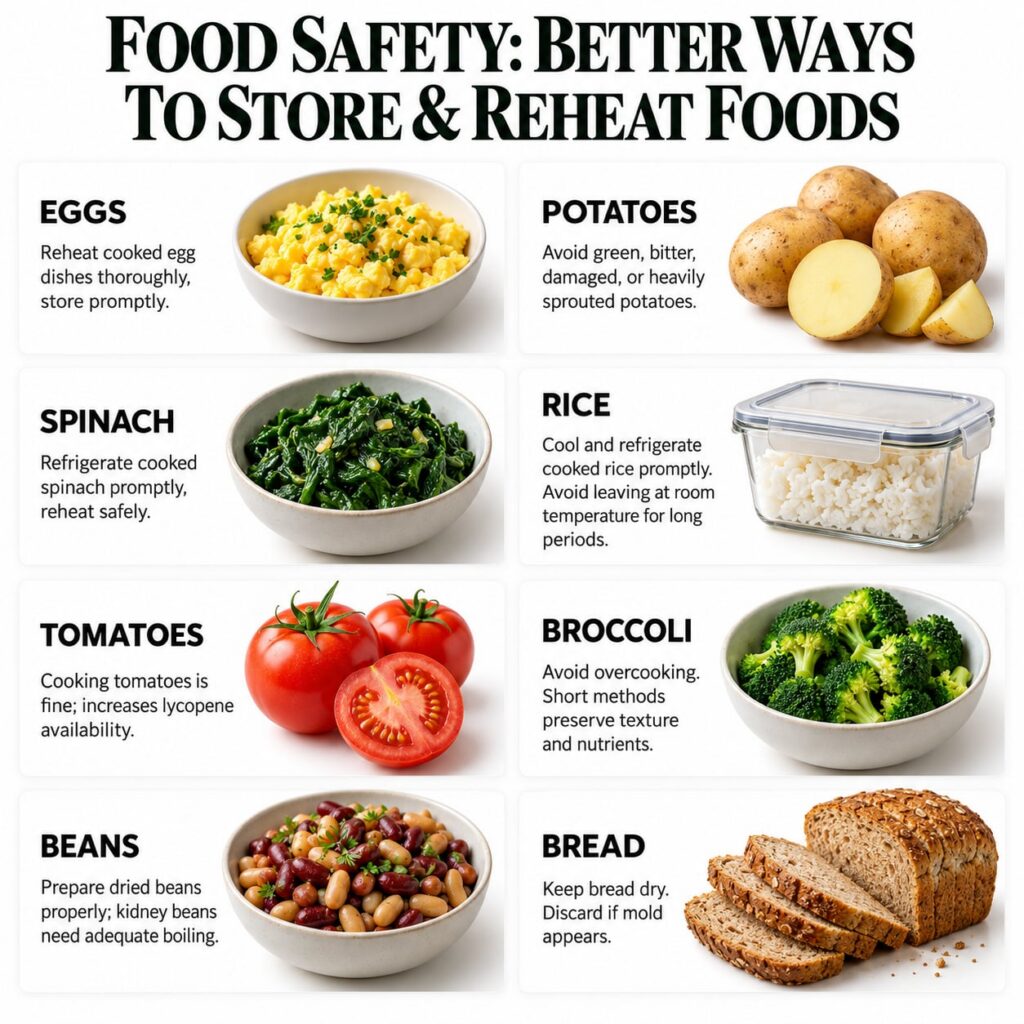
The good news? You can safely reheat cooked eggs and spinach. The key, however, lies in how you’ve stored them:
- Prompt Cooling: Ensure any leftover cooked eggs or spinach are cooled rapidly and refrigerated within two hours of cooking.
- Proper Storage: Store them in shallow, airtight containers in the refrigerator at 40°F (4°C) or below.
- Thorough Reheating: Reheat until steaming hot (165°F / 74°C) throughout, especially if using a microwave, stir halfway through to ensure even heating. Avoid reheating multiple times.
When these steps are followed, your leftover omelet or creamed spinach can be a perfectly safe and delicious next-day meal.
The Truth About Cooked Rice: Cool It Down, Fast!
Cooked rice is often singled out as a problematic leftover, and for good reason. However, the issue isn’t reheating itself, but the way rice is handled after cooking. Uncooked rice can contain spores of Bacillus cereus, a bacterium that can survive cooking. If cooked rice is left at room temperature for too long, these spores can multiply and produce toxins that cause food poisoning.
- Immediate Action: As soon as your rice is cooked, serve what you need and then cool the remainder rapidly.
- Rapid Cooling Method: Spread the rice thinly on a clean, flat surface (like a baking sheet) to cool quickly. Divide large portions into smaller, shallow containers.
- Refrigerate Promptly: Get the cooled rice into the refrigerator within one hour.
- Storage: Keep refrigerated for no more than one day.
- Reheating: Reheat thoroughly until steaming hot, and only reheat once.
By following these cooling and storage guidelines, you can safely enjoy your leftover rice dishes.
Beyond Reheating: Smart Ingredient Handling
Food safety extends beyond just leftovers. How you handle your fresh produce and dry goods is equally important for a healthy kitchen.
Potatoes: When to Eat, When to Avoid
Potatoes are a staple, but certain signs indicate they should be discarded:
- Green Skin: This is a sign of solanine, a natural toxin that develops when potatoes are exposed to light. Small green spots can sometimes be trimmed away, but if the potato is largely green, it’s best to toss it.
- Excessive Sprouting: While small sprouts can be cut off, heavily sprouted potatoes, especially those that are soft and shriveled, also contain higher levels of solanine and should be avoided.
- Bitter Taste: If a potato tastes unusually bitter, it’s a clear signal of high solanine content and should not be eaten.
Store potatoes in a cool, dark, and dry place to prevent greening and sprouting, but never in the refrigerator, as this can convert starches to sugars and affect texture and flavor.
Dried Beans: Prepare Them Right
Dried beans are nutritious and economical, but proper preparation is non-negotiable:
- Soaking: Most dried beans (especially kidney beans) contain lectins, which can cause digestive upset. Soaking them for at least 8-12 hours (and discarding the soaking water) helps reduce these compounds.
- Thorough Cooking: Always cook dried beans thoroughly until tender. Boiling for at least 10 minutes at a high temperature is often recommended to break down remaining lectins. Slow cooking alone may not be enough if beans haven’t been adequately soaked and pre-boiled.
Never eat raw or undercooked dried beans, as they can cause severe digestive distress.
Cooking and Nutrients: A Surprising Truth
It’s a common misconception that cooking always diminishes the nutritional value of food. While some heat-sensitive vitamins (like Vitamin C) can be reduced, cooking can actually enhance the availability of other beneficial compounds.
How Heat Can Boost Nutrition (Lycopene in Tomatoes)
A prime example is lycopene, a powerful antioxidant found in tomatoes. Cooking tomatoes, especially with a little healthy fat, breaks down their cell walls, making the lycopene much more accessible and absorbable by the body. This means that tomato paste, sauce, and cooked tomatoes can be more nutritionally beneficial for lycopene intake than raw tomatoes.
Similarly, cooking certain vegetables can make other antioxidants more available or improve digestibility, allowing your body to better absorb their goodness. So, don’t shy away from cooking; simply be mindful of preparation methods.
Your Ultimate Food Safety Checklist
To ensure your kitchen remains a safe and healthy space, keep this checklist handy:
- Cleanliness is Key: Wash hands thoroughly before and after handling food. Clean and sanitize cutting boards, utensils, and countertops after each use, especially after raw meat, poultry, or seafood.
- Separate Raw from Cooked: Use separate cutting boards and utensils for raw meats/seafood and ready-to-eat foods. Store raw meat on the bottom shelf of your refrigerator to prevent juices from dripping onto other foods.
- Cook to Proper Temperatures: Use a food thermometer to ensure meats, poultry, and casseroles reach safe internal temperatures.
- Chill Promptly: Refrigerate perishable foods within two hours (or one hour if ambient temperature is above 90°F / 32°C). Divide large amounts of hot food into shallow containers to cool quickly.
- Avoid Cross-Contamination: Never put cooked food back on the same plate that held raw meat, poultry, or seafood.
- Check Expiration Dates: Pay attention to “use-by” dates on food labels.
Common Questions About Food Safety
Is it safe to leave food out overnight?
Generally, no. Perishable foods should not be left at room temperature for more than two hours. This “danger zone” between 40°F (4°C) and 140°F (60°C) allows bacteria to multiply rapidly, increasing the risk of foodborne illness.
How long can leftovers be safely stored in the refrigerator?
Most cooked leftovers, when stored properly in airtight containers, are safe to eat for 3-4 days in the refrigerator. Seafood and rice have a slightly shorter shelf life of 1-2 days.
Can I reheat food more than once?
While technically possible, it’s best to reheat food only once. Each time food is cooled and reheated, it passes through the “danger zone,” providing opportunities for bacteria to grow. Plan meal portions to minimize reheating.
What are some healthy breakfast ideas that incorporate safe food handling?
Focus on easy-to-prep options like overnight oats (made with pasteurized milk and stored immediately in the fridge), fruit and yogurt parfaits (using fresh fruit and properly stored yogurt), or quickly cooked eggs for immediate consumption. For healthy meal prep, ensure components like cooked grains or vegetables are cooled and refrigerated promptly in meal prep containers.
Final Thoughts
Navigating food safety doesn’t have to be intimidating. By understanding the core principles of safe handling, storage, and preparation, you can confidently create delicious and healthy meals without falling victim to unfounded myths. Focus on cleanliness, proper temperatures, and quick chilling, and you’ll be well on your way to a safer, more enjoyable kitchen experience. Share this guide with fellow home cooks to help spread accurate information about healthy cooking and nutrition tips!
Medical Disclaimer
The information provided in this article is for general informational purposes only and does not constitute medical advice. Always consult with a qualified healthcare professional for any health concerns or before making any changes to your diet or health regimen.