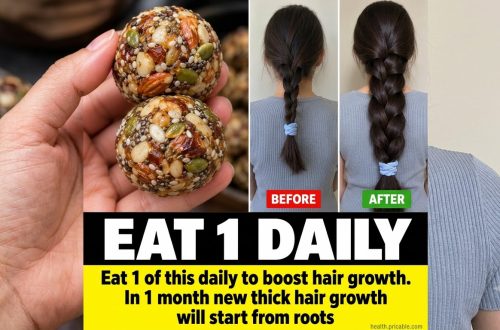
Are you looking for natural ways to enhance your hair, strengthen your nails, and support your overall well-being? Look no further than your kitchen! While biotin supplements are popular, the most effective and holistic approach to boosting your biotin levels often begins with a balanced diet. Biotin, also known as Vitamin B7, is an essential nutrient that plays a crucial role in various bodily functions, from metabolism to cellular health.
This article will guide you through the power of biotin-rich foods. We’ll explore why this vital vitamin matters, highlight the top natural sources you can easily incorporate into your meals, and provide practical tips to help you embrace a more vibrant, biotin-powered lifestyle. Get ready to nourish your body from the inside out and discover the delicious path to a natural biotin boost!
What is Biotin (Vitamin B7) and Why Does It Matter?
Biotin, or Vitamin B7, is a water-soluble vitamin that is part of the B-complex group. These vitamins are essential for metabolic functions, helping your body convert food into energy. Biotin, in particular, plays a key role in the metabolism of carbohydrates, fats, and amino acids, which are the building blocks of protein.
Beyond its metabolic contributions, biotin is widely recognized for its benefits to hair, skin, and nails. It helps maintain the health of these tissues, and an adequate intake can contribute to stronger hair, more resilient nails, and a healthier complexion. However, its importance extends deeper, supporting nerve function and a healthy pregnancy.
Top Biotin-Rich Foods to Add to Your Diet
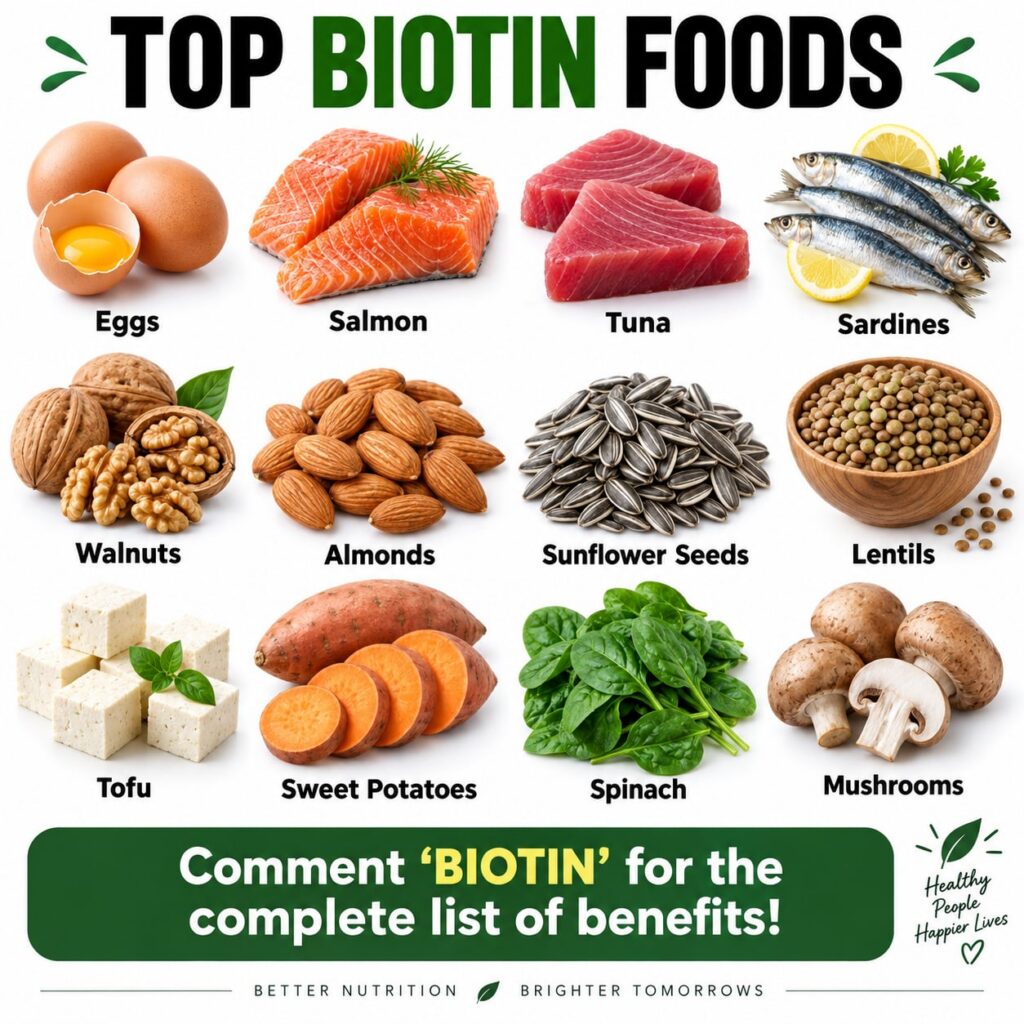
Ditch the notion that you need a pill to get your biotin. Many delicious and everyday foods are packed with this essential nutrient. Here are some of the best natural sources to incorporate into your meals:
1. Eggs: The Biotin Powerhouse
Eggs, especially the yolks, are one of the richest natural sources of biotin. The yolk contains approximately 10 micrograms of biotin, making it an excellent addition to your breakfast or any meal. Ensure eggs are cooked thoroughly, as raw egg whites contain avidin, a protein that can interfere with biotin absorption.
2. Nuts and Seeds: Healthy Snacking
Many nuts and seeds offer a good dose of biotin along with healthy fats, fiber, and protein. Almonds, walnuts, peanuts, and sunflower seeds are particularly beneficial. A quarter-cup serving of sunflower seeds, for instance, can provide about 2.6 micrograms of biotin.
3. Legumes: Plant-Based Biotin
Foods like soybeans, peas, and lentils are fantastic plant-based sources of biotin. A 3/4-cup serving of cooked soybeans can provide around 19.3 micrograms of biotin, while a cup of green peas offers 7.4 micrograms. Incorporate them into soups, salads, or stews for a nutritional boost.
4. Sweet Potatoes: A Root Vegetable Delight
Not only are sweet potatoes delicious and versatile, but they also contain a notable amount of biotin. One-half cup of cooked sweet potato can provide approximately 2.4 micrograms. Enjoy them baked, roasted, or mashed.
5. Avocados: Creamy and Nutrient-Rich
Avocados are celebrated for their healthy fats and fiber, but they also deliver biotin. A single medium avocado contains about 2-6 micrograms of biotin. Add slices to your toast, salads, or blend into smoothies for a creamy texture.
6. Organ Meats: A Concentrated Source
For those who consume them, organ meats like liver are incredibly concentrated sources of biotin. A 3-ounce serving of cooked beef liver contains an impressive 30.8 micrograms of biotin. This makes them a highly efficient way to boost your intake.
Easy Ways to Incorporate Biotin-Rich Foods into Your Meals
Integrating these nutritious foods into your daily routine is simpler than you might think:
- Breakfast Boost: Start your day with scrambled eggs, an egg-and-avocado toast, or a smoothie with a handful of spinach and a spoonful of almond butter.
- Snack Smart: Keep a mix of nuts and seeds handy for a quick, energy-boosting snack.
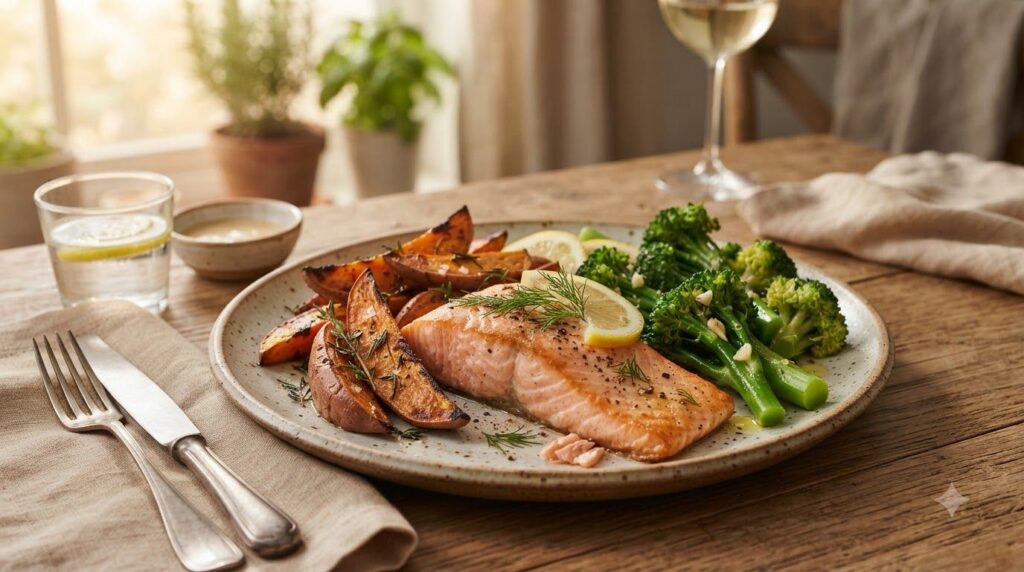
- Lunch & Dinner Creations: Add lentils to your soups, toss soybeans into salads, or enjoy sweet potatoes as a nutritious side with your favorite protein.
- Meal Prep Power: Prepare hard-boiled eggs or roasted sweet potato cubes at the beginning of the week for easy additions to various meals.
Common Questions About Biotin Intake
How much biotin do I need daily?
The recommended daily intake of biotin for adults is typically 30 micrograms (mcg). However, individual needs can vary, and it’s always best to consult with a healthcare professional for personalized advice.
Can I get enough biotin from diet alone?
For most healthy individuals, a balanced diet rich in a variety of foods should provide sufficient biotin. Deficiency is rare but can occur due to certain medical conditions or medications.
Are there any side effects of too much biotin?
Since biotin is water-soluble, excess amounts are typically excreted through urine. However, extremely high doses, often from supplements, can interfere with certain laboratory tests. Sticking to food sources minimizes this risk.
Final Thoughts
Boosting your biotin naturally through a diverse diet is a delicious and effective way to support your hair, skin, nails, and overall metabolic health. By focusing on whole, unprocessed foods like eggs, nuts, seeds, legumes, and certain vegetables, you can nourish your body with this essential vitamin without needing to reach for a supplement bottle. Embrace these top foods and enjoy the benefits of a radiant, healthy you.
Medical Disclaimer
The information provided in this article is for general knowledge and informational purposes only, and does not constitute medical advice. It is essential to consult with a qualified healthcare professional or registered dietitian before making any significant changes to your diet or if you have any health concerns.