Ever woken up feeling a bit puffy, or noticed your rings feel tighter than usual? It’s a common experience, and often, the culprit isn’t what you might think. We’re talking about water retention, also known as edema, and surprisingly, your diet plays a huge role in how your body manages its fluid balance. At Remedy – T.Nhàn, we believe in simple, natural ways to feel your best, and understanding how food affects water retention is a fantastic step towards feeling light and refreshed!
What Exactly is Water Retention?
Water retention occurs when your body holds onto excess fluids. This can lead to swelling in various parts of the body, most commonly in the hands, feet, ankles, and legs. While sometimes it can be a sign of underlying health issues (and it’s always wise to consult a healthcare professional if you have concerns), for many of us, it’s a temporary and manageable issue influenced by everyday factors like hormonal changes, inactivity, and most significantly, our diet.
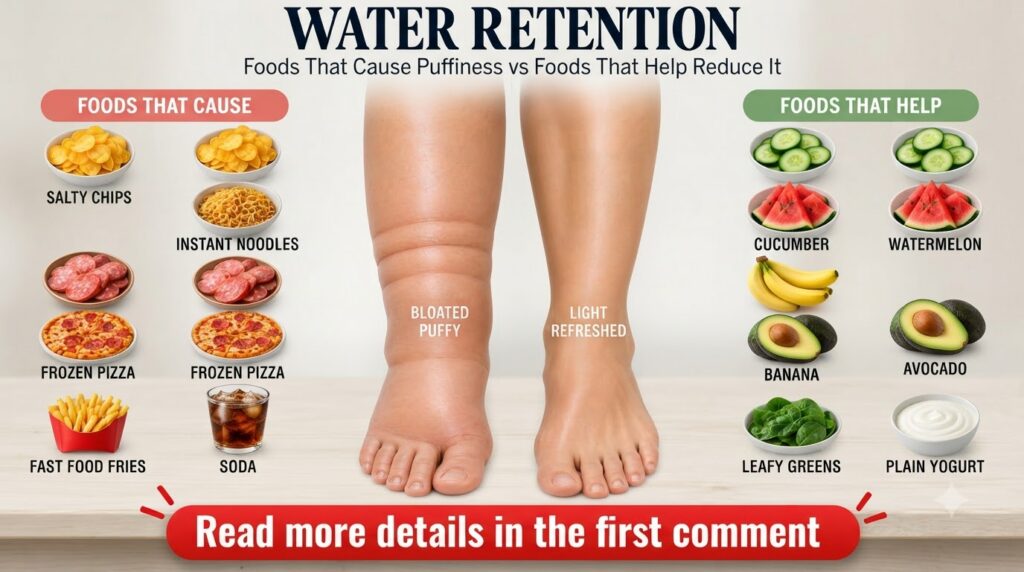
Foods That Can Contribute to Water Retention
Many everyday foods can secretly contribute to that puffy feeling. Let’s shine a light on some of the usual suspects:
1. High-Sodium Foods
This is perhaps the most well-known culprit. Sodium plays a vital role in balancing fluids in your body, but too much of it tells your body to hold onto water to dilute the excess salt. Think beyond just the salt shaker!
- Processed Snacks: Chips, pretzels, salted nuts, and crackers are often loaded with hidden sodium.
- Canned and Packaged Foods: Instant noodles, soups, frozen dinners, and processed meats (like deli slices and hot dogs) often contain high levels of sodium for flavor and preservation.
- Fast Food and Restaurant Meals: These are notorious for their high sodium content, making them a common contributor to post-meal puffiness.
2. Refined Carbohydrates
Foods high in refined carbs, like white bread, pasta, pastries, and sugary cereals, can cause a rapid spike in blood sugar and insulin levels. High insulin levels can signal your kidneys to reabsorb more sodium, which in turn leads to more water retention.
3. Excessive Sugar and Artificial Sweeteners
Similar to refined carbs, too much sugar can lead to insulin spikes. Moreover, some artificial sweeteners can irritate the gut, potentially leading to bloating and discomfort that feels like water retention.
4. Certain Beverages
While staying hydrated is key, some drinks can work against you. Sugary sodas and excessive alcohol consumption can dehydrate your body and disrupt electrolyte balance, prompting your body to hold onto water.

Foods That Help Reduce Water Retention
The good news is that many delicious and natural foods can actually help your body release excess fluids and reduce that puffy feeling. These foods often act as natural diuretics or help balance electrolytes.
1. Water-Rich Fruits and Vegetables
It might sound counterintuitive, but drinking more water and eating water-rich foods can actually help reduce water retention. These foods help flush out sodium and other toxins while keeping you hydrated.
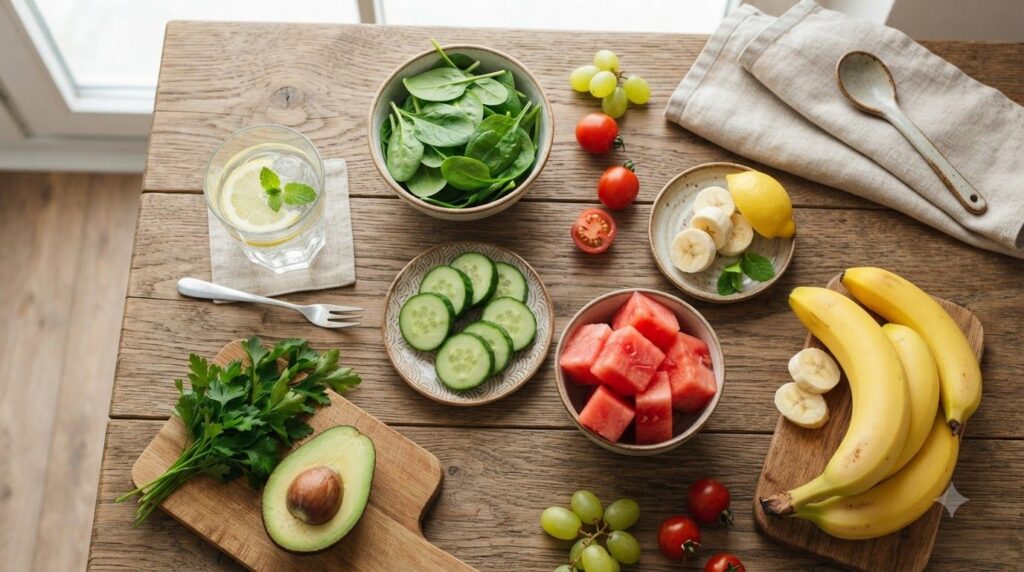
- Cucumber: Known for its high water content and silica, which aids in flushing out uric acid.
- Watermelon: Packed with water and potassium, it’s a fantastic natural diuretic.
- Berries: Strawberries, blueberries, and raspberries are rich in water and antioxidants.
- Celery: Contains compounds that gently stimulate urine production.
2. Potassium-Rich Foods
Potassium helps balance sodium levels in your body, encouraging the excretion of excess sodium and water. It’s a key mineral for fluid balance.
- Bananas: A classic source of potassium.
- Avocado: Rich in healthy fats and potassium.
- Sweet Potatoes: A delicious and nutrient-dense source of potassium.
- Spinach and Leafy Greens: Powerhouses of vitamins, minerals, and potassium.
3. Magnesium-Rich Foods
Magnesium is involved in over 300 bodily functions, including fluid balance. Many people are deficient in magnesium, and increasing your intake can help reduce water retention, especially for women experiencing premenstrual swelling.
- Nuts and Seeds: Almonds, cashews, pumpkin seeds, and chia seeds are great sources.
- Dark Chocolate: A delicious way to boost magnesium (in moderation!).
- Legumes: Black beans, lentils, and chickpeas are excellent.
4. Natural Diuretics
Certain herbs and foods have natural diuretic properties, meaning they help your body produce more urine, thereby expelling excess fluids.
- Dandelion Greens: Often used in herbal remedies for their diuretic effects.
- Parsley: Can be added to many dishes for flavor and its gentle diuretic properties.
- Ginger: Known for its anti-inflammatory properties and ability to stimulate digestion, which can indirectly help with fluid balance.
Beyond Diet: Other Helpful Habits
While diet is crucial, a holistic approach to wellness always yields the best results. Consider these simple lifestyle additions:
- Stay Hydrated: Yes, drinking more pure water helps! It signals your body that it doesn’t need to hold onto fluids.
- Regular Movement: Gentle exercise like walking or yoga can improve circulation and reduce fluid accumulation.
- Elevate Your Legs: If your feet and ankles are swollen, elevating them above your heart for short periods can help fluid drain.
- Adequate Sleep: Rest allows your body to regulate hormones and recover effectively.
Embrace a Lighter You!
Understanding how your diet impacts water retention is a powerful step towards feeling more comfortable, energetic, and simply lighter. By making mindful choices about the foods you eat, you can support your body’s natural fluid balance and wave goodbye to that puffy feeling. It’s not about strict diets, but about choosing nourishing ingredients that help you thrive.
Which of these tips will you try first? Share your thoughts in the comments below!