Are you looking for an easy way to add more fiber to your day? Many of us know that fiber is good for us, but integrating enough of it into our daily meals can feel like a challenge. The good news is, boosting your fiber intake doesn’t require drastic dietary overhauls or special ‘detox’ foods. It’s all about making simple, delicious choices that support your digestion and overall well-being.
This guide will show you how to effortlessly incorporate fiber-rich foods into your routine, from wholesome grains to vibrant fruits and vegetables. Get ready to discover the power of fiber and how it can transform your health, one delicious bite at a time.
The Power of Fiber: Why It Matters for Your Health
Fiber is an essential component of a healthy diet, playing a crucial role far beyond just aiding digestion. It’s a type of carbohydrate that your body can’t digest, yet it’s vital for maintaining various bodily functions. Understanding its benefits can motivate you to make fiber a priority in your meals.
Supporting Healthy Digestion and Regularity
One of the most well-known benefits of dietary fiber is its ability to support normal digestion and promote bowel regularity. Fiber adds bulk to your stool, making it softer and easier to pass, which can help prevent constipation. It also acts as a prebiotic, feeding the beneficial bacteria in your gut, contributing to a balanced and thriving gut microbiome.
Promoting Fullness and Weight Management
Certain types of fiber absorb water and expand in your stomach, helping you feel fuller for longer. This sensation of satiety can be incredibly beneficial for managing your appetite and supporting healthy weight management. By promoting fullness, fiber can help reduce overeating and snacking between meals.
Contributing to Heart Health and Blood Sugar Control
Beyond digestion and satiety, fiber can also play a significant role in broader health aspects. Soluble fiber, found in foods like oats and beans, can help lower LDL (‘bad’) cholesterol levels, supporting overall heart health. Additionally, fiber can slow down the absorption of sugar into your bloodstream, which helps maintain healthy blood-glucose responses, a key factor for sustained energy and preventing blood sugar spikes.
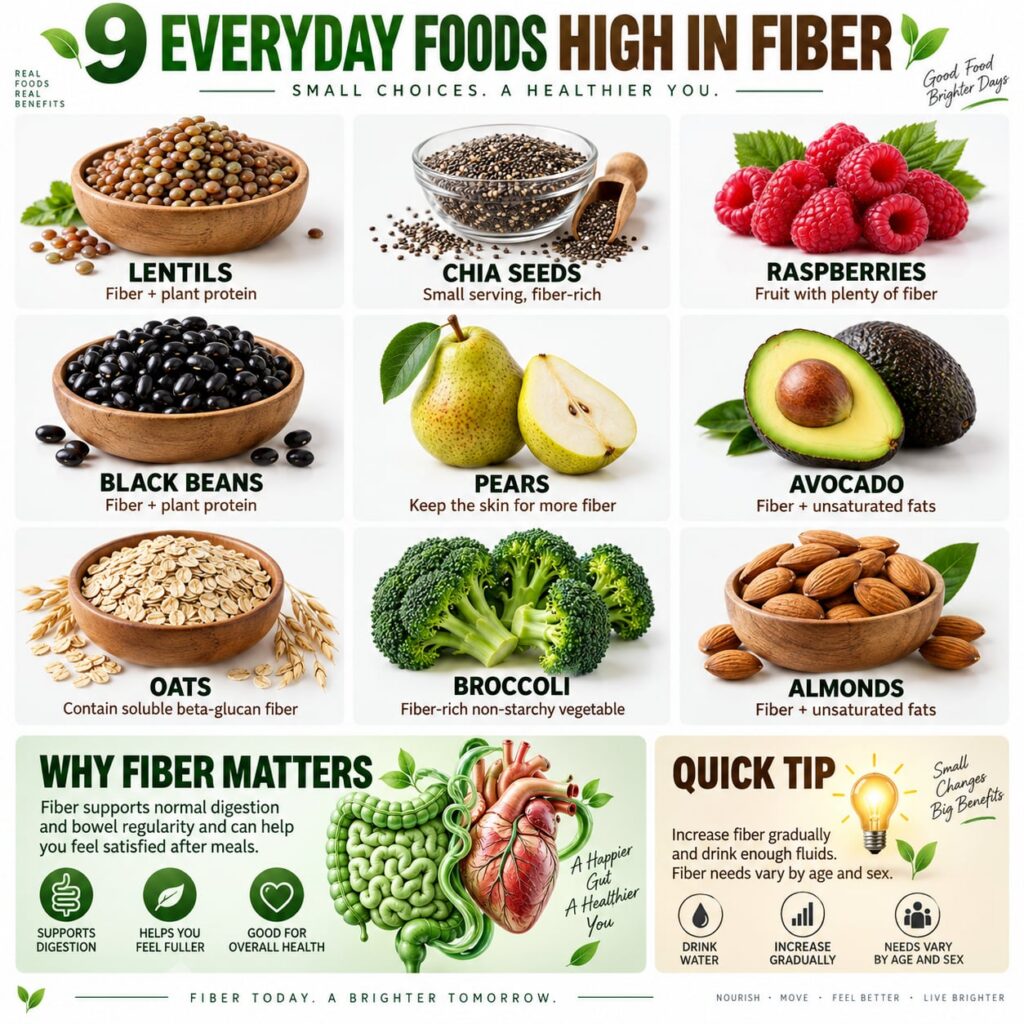
Top Fiber-Rich Foods to Boost Your Daily Intake
The beauty of increasing your fiber intake lies in the delicious and diverse array of foods available. From legumes to fresh produce, there are endless options to make your meals more fiber-friendly. Here are the top categories to focus on:
Beans & Lentils
These humble legumes are nutritional powerhouses, packed with both protein and fiber. Whether it’s black beans, chickpeas, kidney beans, or any type of lentil, they are incredibly versatile and can be added to almost any savory dish. A single cup of cooked lentils, for instance, can provide more than half of your daily fiber needs.
Wholesome Whole Grains
Make the switch from refined grains to whole grains to significantly boost your fiber intake. Opt for oats, brown rice, quinoa, whole wheat bread, whole grain pasta, and barley. These grains retain their bran, germ, and endosperm, which are rich in fiber and other vital nutrients. Whole grains are excellent for healthy breakfast ideas.
Vibrant Fruits & Vegetables
Nature’s candy and nutrient bundles! Fruits and vegetables are loaded with fiber, vitamins, and antioxidants. Don’t peel them if you can help it, as much of the fiber (and nutrients) is found in the skin. Berries, apples, pears, bananas, broccoli, spinach, carrots, and sweet potatoes are just a few examples of delicious, fiber-rich choices.
Nuts & Seeds
Small but mighty, nuts and seeds are excellent sources of fiber, healthy fats, and protein. Almonds, walnuts, chia seeds, flaxseeds, and sunflower seeds can be sprinkled on salads, yogurt, oatmeal, or enjoyed as a quick, satisfying snack. Chia seeds, in particular, are known for their high fiber content and ability to absorb liquid, making them perfect for puddings or thickening smoothies.
Simple Strategies to Integrate More Fiber Into Your Day
Increasing your fiber intake doesn’t have to be complicated. By implementing a few simple strategies, you can easily boost your daily fiber and reap its many rewards.
Embrace Variety
Rather than relying on one type of food, aim for a wide variety of fiber sources. Different foods contain different types of fiber and nutrients, providing a more comprehensive range of health benefits. Experiment with new fruits, vegetables, legumes, and grains to keep your meals interesting and your gut happy.
Start Slow and Hydrate
If your current diet is low in fiber, it’s crucial to increase your intake gradually. A sudden surge in fiber can sometimes lead to bloating or discomfort. Give your digestive system time to adjust. Equally important is ensuring you’re getting enough fluids. Fiber needs water to do its job effectively, so drink plenty of water throughout the day, especially as you increase your fiber intake.
No Need for a “Detox”
Forget about expensive “detox” diets or supplements. Your body has its own natural detoxification system, and a diet rich in whole, fiber-filled foods is the best way to support it. Focus on incorporating natural, unprocessed foods, and your body will thank you.
Practical Tips for Everyday Meals
- Breakfast Boost: Add berries, chia seeds, or flaxseeds to your oatmeal or yogurt. Opt for whole-grain toast with avocado. These are great for high protein breakfast options.
- Lunch & Dinner Upgrades: Swap white rice for brown rice or quinoa. Add a generous serving of beans or lentils to soups, stews, and salads. Include extra vegetables in your stir-fries and pasta dishes.
- Smart Snacking: Reach for an apple with a handful of almonds, carrots with hummus, or air-popped popcorn instead of highly processed snacks.
- Meal Prep for Success: Prepare batches of cooked grains or roasted vegetables at the beginning of the week to easily add to your meals. This simplifies creating healthy meal prep ideas.
Frequently Asked Questions About Fiber
How much fiber do I need daily?
The recommended daily fiber intake is generally around 25 grams for women and 38 grams for men, though individual needs can vary. It’s always best to consult with a healthcare professional for personalized advice.
Can too much fiber be bad?
While fiber is beneficial, consuming excessive amounts too quickly, especially without adequate hydration, can lead to digestive discomfort like bloating, gas, or constipation. Gradually increasing your intake and drinking plenty of water can help mitigate these effects.
Are supplements a good way to get fiber?
While fiber supplements can be helpful for some individuals, it’s generally best to get your fiber from whole foods. Whole foods provide a broader spectrum of nutrients and beneficial compounds that supplements often lack.