Are you looking for simple ways to enhance your daily well-being? A tiny but mighty mineral called iodine plays a crucial role in keeping your body running smoothly. Many people don’t realize how important it is until they learn about its benefits.
In this article, we’ll explore why iodine is essential for your health and highlight some delicious foods you can easily add to your diet to ensure you’re getting enough. From the ocean’s bounty to everyday staples, you’ll discover how simple it is to boost your iodine intake and support your overall well-being.
The Amazing Benefits of Iodine
Iodine is an essential trace mineral, meaning your body needs it but can’t produce it on its own. It’s primarily known for its critical role in thyroid health. The thyroid gland, a small, butterfly-shaped gland in your neck, uses iodine to produce thyroid hormones. These hormones are vital for many bodily functions.
Thyroid Hormone Production
Your thyroid hormones, T3 (triiodothyronine) and T4 (thyroxine), regulate your metabolism. This includes how your body converts food into energy, your heart rate, body temperature, and even your breathing. Without enough iodine, your thyroid can’t produce these hormones efficiently, potentially leading to a sluggish metabolism.
Metabolism and Energy
A healthy thyroid means a healthy metabolism. Adequate iodine intake helps maintain proper metabolic function, which can support consistent energy levels and healthy weight management. When your metabolism is working well, you’re more likely to feel energized and less fatigued throughout the day.
Brain Development and Function
Iodine is particularly crucial for brain development in infants and children. Research suggests that sufficient iodine intake during pregnancy and early childhood is essential for cognitive development. In adults, it contributes to overall cognitive function and can help maintain mental clarity.
Top Foods High in Iodine
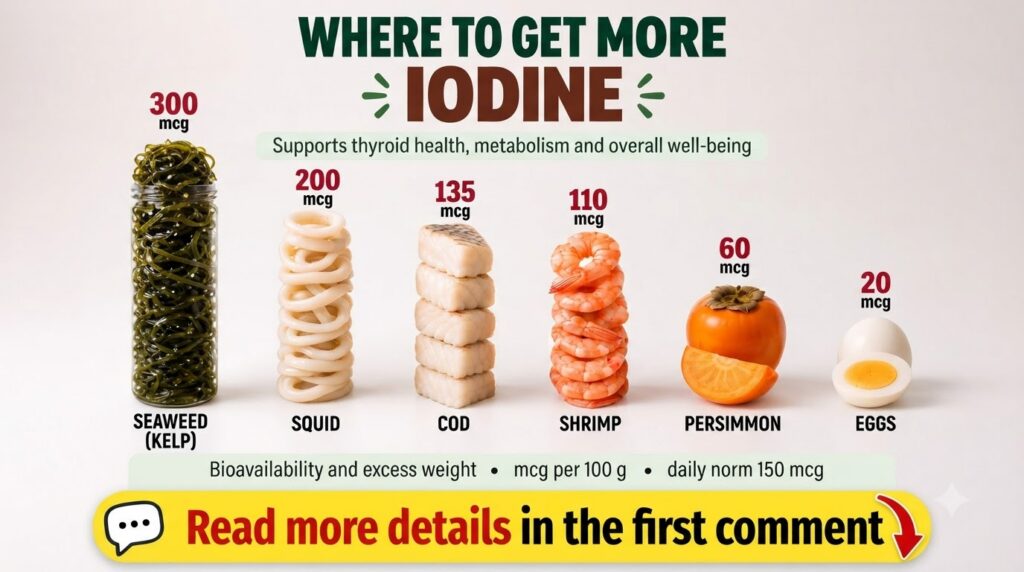
Fortunately, nature provides us with many delicious sources of iodine. Incorporating these foods into your regular diet is a simple and effective way to ensure you’re meeting your daily needs.
Seaweed (Kelp, Nori, Wakame)
Seaweed is arguably the most iodine-rich food on the planet. Just a small serving can provide a significant portion of your daily iodine needs. Varieties like kelp, nori (used in sushi), and wakame (often found in miso soup) are excellent choices. However, iodine content can vary widely, so moderation is key.
Cod
This mild, white fish is not only a great source of lean protein but also a good provider of iodine. Cod and other white fish contain moderate amounts of iodine, making them a healthy and accessible option to include in your meals.
Shrimp
Small but mighty, shrimp offer a decent amount of iodine along with protein and selenium. They’re versatile and can be added to salads, stir-fries, or pasta dishes for a quick nutrient boost.
Eggs
A true breakfast staple, eggs are a convenient source of iodine. Most of the iodine is found in the yolk, along with other beneficial nutrients like choline and vitamin D. Adding eggs to your diet is an easy way to get some iodine.
Squid
For those who enjoy seafood, squid is another fantastic source of iodine. It’s also low in fat and high in protein, making it a healthy choice that brings a unique texture to your meals.
Persimmon
While not as high in iodine as seafood or seaweed, persimmons are a surprising fruit source of this mineral. They offer a sweet and slightly tangy flavor, perfect for adding to fruit salads or enjoying as a snack.
Scientific Explanation: How Iodine Works
Once consumed, iodine is absorbed into your bloodstream and travels to your thyroid gland. The thyroid cells then actively take up iodine from the blood. Inside these cells, iodine is combined with the amino acid tyrosine to form thyroid hormones. These hormones are then released into the bloodstream to regulate metabolism throughout your body.
Best Ways to Eat Iodine-Rich Foods
- Seafood Feast: Aim for two servings of fish or shellfish per week. Think baked cod, grilled shrimp, or a seafood stir-fry.
- Seaweed Snacks: Try dried nori sheets as a crunchy snack, or add a small amount of dulse flakes to soups and salads for a unique flavor and iodine boost.
- Egg-cellent Meals: Incorporate eggs into your breakfast, lunch, or dinner. Hard-boiled eggs make a great snack, and scrambled eggs or omelets are versatile meal options.
- Iodized Salt: If you use salt, consider choosing iodized salt for cooking and seasoning. It’s an easy way to ensure consistent iodine intake, but always remember to use salt in moderation.
- Dairy Delights: Milk, yogurt, and cheese can also contribute to your iodine intake, as iodine is often present in animal feed and sanitizers used in dairy production.

Potential Risks and Considerations
While iodine is crucial, both deficiency and excessive intake can lead to health problems. Iodine deficiency is a common cause of thyroid issues worldwide, but excess iodine can also negatively impact thyroid function.
- Iodine Deficiency: Can lead to an enlarged thyroid gland (goiter), hypothyroidism (underactive thyroid), fatigue, weight gain, and impaired cognitive function.
- Iodine Excess: Consuming too much iodine, especially from highly concentrated supplements or very large amounts of certain seaweeds, can also cause thyroid dysfunction, including hyperthyroidism or hypothyroidism. It’s always best to get iodine from food sources first.
Always consult with a healthcare professional before taking iodine supplements, especially if you have a pre-existing thyroid condition.
Practical Tips for Boosting Your Iodine Intake
- Variety is Key: Don’t rely on just one food source. Enjoy a diverse range of iodine-rich foods to get a balanced intake.
- Mindful Seafood Choices: Opt for sustainably sourced fish and shellfish.
- Read Labels: When buying salt, check for ‘iodized’ if you’re aiming to increase your intake through this method.
- Cook at Home: Preparing meals at home gives you control over the ingredients and allows you to easily incorporate iodine-rich foods.
FAQs About Iodine
Q1: How much iodine do I need daily?
The recommended daily allowance (RDA) for adults is generally 150 micrograms (mcg). Pregnant women require more, typically 220 mcg, and lactating women 290 mcg.
Q2: Can I get enough iodine from diet alone?
Yes, for most people, a balanced diet that includes iodine-rich foods like seafood, dairy, and eggs, along with iodized salt, can provide sufficient iodine.
Q3: What are the signs of iodine deficiency?
Signs can include fatigue, weight gain, sensitivity to cold, dry skin, hair loss, and an enlarged thyroid gland (goiter).
Q4: Are all types of seaweed equally high in iodine?
No, iodine content varies significantly among different types of seaweed. Kelp usually has the highest concentration, while nori and wakame have moderate amounts.
Q5: Is iodized salt bad for you?
Iodized salt provides a convenient source of iodine and is generally safe in moderation. However, excessive salt intake, regardless of iodine content, is not recommended.
Q6: Can vegans get enough iodine?
Vegans may need to pay closer attention to their iodine intake. Good plant-based sources include seaweed (in moderation), cranberries, and potatoes with the skin. Supplements may be necessary for some.
Conclusion
Iodine is a powerful mineral that plays an indispensable role in your health, particularly for thyroid function, metabolism, and energy. By consciously including a variety of iodine-rich foods like seafood, eggs, and seaweed in your diet, you can easily support your body’s needs and boost your overall well-being. Start incorporating these foods today and feel the difference!
This content is for educational purposes only and should not be considered medical advice. Consult a qualified healthcare professional for personalized dietary recommendations.
Explore more healthy food content:
- Healthy Seafood Recipes for Weeknights
- The Benefits of Eating Eggs Every Day
- Superfoods for Energy and Focus
- Understanding Your Metabolism: A Guide