Protein is a vital macronutrient, essential for nearly every function in your body. From building and repairing tissues to making enzymes and hormones, protein plays a crucial role in maintaining good health. Whether you’re aiming for muscle gain, weight management, or simply a balanced diet, understanding your protein sources is key.
In this guide, we’ll dive deep into the world of protein, exploring both animal and plant-based options. You’ll learn about their unique benefits, approximate protein content, and practical tips for incorporating them into your daily meals. Get ready to fuel your body effectively and make informed choices for your health journey!
Why Protein Matters: The Core Benefits
Protein is more than just fuel for your muscles. It’s involved in numerous bodily processes:
- Muscle Growth and Repair: Protein provides the amino acids needed to build and repair muscle tissue, crucial for strength and recovery.
- Satiety and Weight Management: High-protein foods can help you feel fuller for longer, reducing overall calorie intake and supporting weight loss or maintenance.
- Bone Health: Research suggests adequate protein intake is associated with stronger bones and may help prevent osteoporosis.
- Enzyme and Hormone Production: Proteins are essential for creating enzymes that drive chemical reactions and hormones that regulate body functions.
- Immune Function: Antibodies, which fight infections, are made from protein.

Top Animal Protein Sources
Animal proteins are considered “complete” proteins, meaning they provide all nine essential amino acids your body can’t produce on its own.
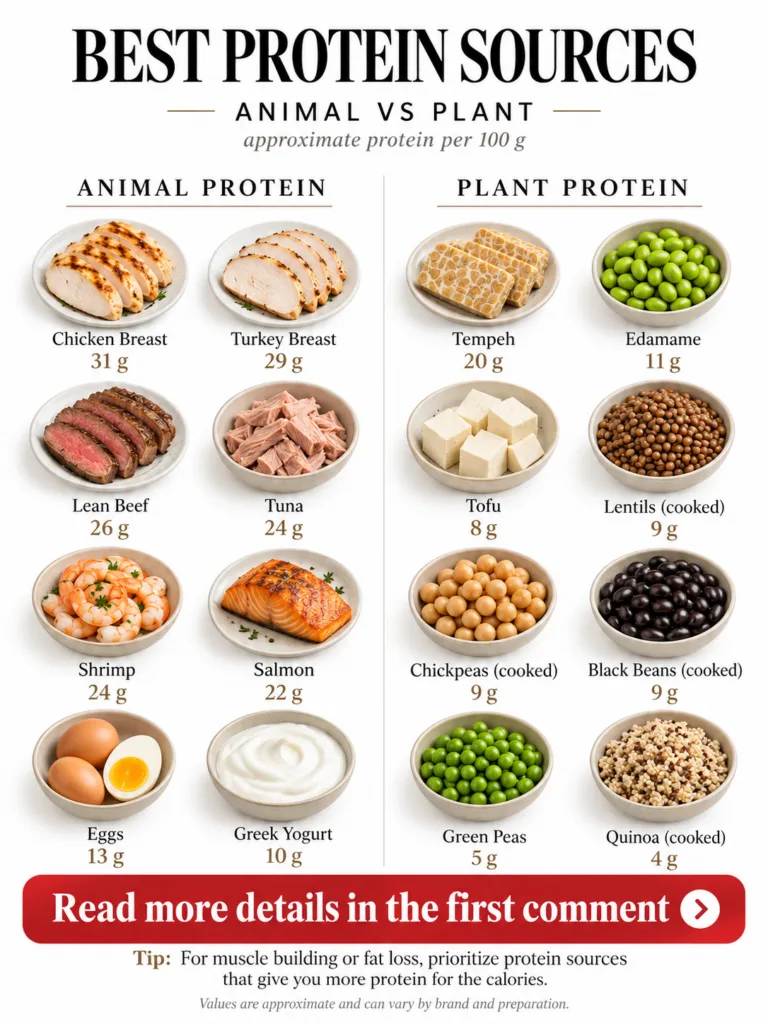
1. Chicken Breast (Skinless)
- Protein per 100g (cooked): ~31g
- Benefits: Lean, versatile, excellent source of niacin, vitamin B6, and phosphorus.
2. Lean Beef (e.g., Sirloin, Round)
- Protein per 100g (cooked): ~26g
- Benefits: Rich in iron, zinc, vitamin B12, and creatine. Choose lean cuts to minimize saturated fat.
3. Eggs
- Protein per large egg: ~6g
- Benefits: Affordable, versatile, contains all essential amino acids, choline, and vitamin D.
4. Fish (Salmon, Tuna, Cod)
- Protein per 100g (cooked): Salmon ~25g, Tuna ~23g, Cod ~18g
- Benefits: Salmon and tuna are rich in omega-3 fatty acids, which support heart and brain health. Most fish provide iodine and vitamin D.
5. Greek Yogurt
- Protein per 100g: ~10g
- Benefits: High in protein, calcium, and probiotics for gut health.

Powerful Plant-Based Protein Sources
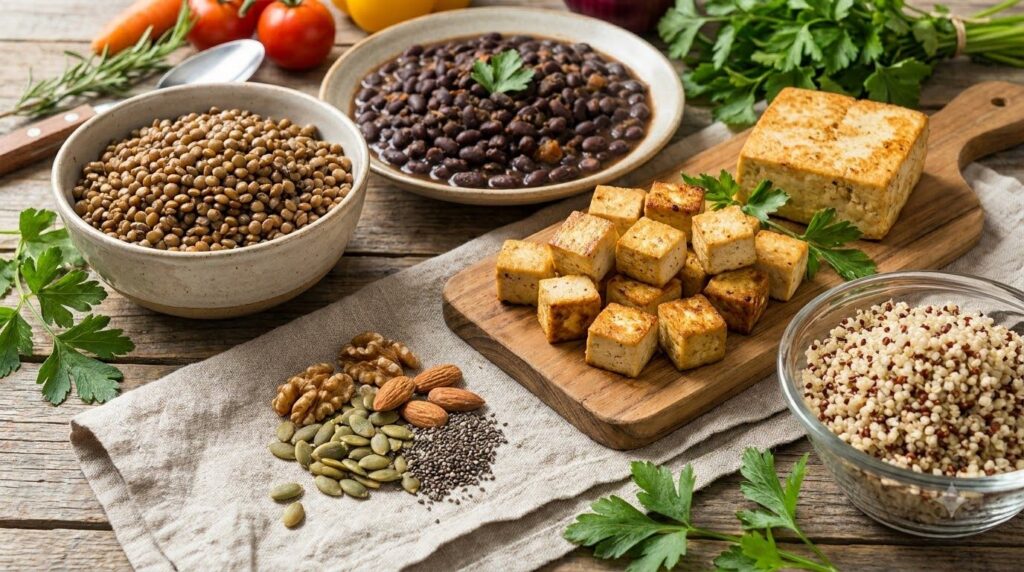
Plant-based proteins can be just as effective in meeting your protein needs, and many come with the added bonus of fiber and various micronutrients. Combining different plant proteins throughout the day ensures you get all essential amino acids.
1. Lentils
- Protein per 100g (cooked): ~9g
- Benefits: Excellent source of fiber, iron, folate, and manganese. Versatile in soups, stews, and salads.
2. Beans (Black Beans, Chickpeas)
- Protein per 100g (cooked): ~9g
- Benefits: High in fiber, magnesium, potassium, and B vitamins. Great in chili, tacos, or as hummus.
3. Tofu and Tempeh
- Protein per 100g: Tofu ~8g, Tempeh ~19g
- Benefits: Soy-based, versatile, good source of calcium and iron. Tempeh is also fermented, offering probiotics.
4. Quinoa
- Protein per 100g (cooked): ~4.5g
- Benefits: One of the few complete plant proteins, rich in fiber, magnesium, and phosphorus.
5. Nuts and Seeds (Almonds, Chia Seeds, Hemp Seeds)
- Protein per 100g: Almonds ~21g, Chia Seeds ~17g, Hemp Seeds ~31g
- Benefits: Offer healthy fats, fiber, vitamins, and minerals. Great for snacks or added to meals.
6. Edamame
- Protein per 100g (shelled, cooked): ~11g
- Benefits: Whole, immature soybeans, excellent source of fiber, vitamin K, and folate.
How Much Protein Do You Need?
The recommended dietary allowance (RDA) for protein is 0.8 grams of protein per kilogram of body weight. However, this is a minimum to prevent deficiency. Many active individuals or those aiming for specific goals like muscle gain or weight loss may benefit from higher intakes, often ranging from 1.2 to 2.2 grams per kilogram of body weight.
Factors influencing your protein needs include:
- Activity Level: More active individuals require more protein for muscle repair.
- Age: Protein needs can increase with age to help maintain muscle mass.
- Goals: Building muscle, losing weight, or recovering from injury may require higher protein intake.
Practical Tips for Boosting Your Protein Intake
Incorporating more protein into your diet can be delicious and easy with these tips:
- Start with Protein: Always include a protein source at breakfast to kickstart your day and promote satiety.
- Snack Smart: Opt for protein-rich snacks like hard-boiled eggs, Greek yogurt, a handful of nuts, or cottage cheese.
- Vary Your Sources: Don’t stick to just one or two. Mix animal and plant proteins to get a broad spectrum of nutrients.
- Meal Prep: Cook larger batches of protein (chicken, lentils, quinoa) at the beginning of the week for easy additions to meals.
- Add to Every Meal: Aim to include a protein source in every main meal and most snacks.
- Protein Powders: If struggling to meet needs through whole foods, a high-quality protein powder can be a convenient supplement.

Frequently Asked Questions About Protein Sources
Q1: Is plant protein as good as animal protein?
A: Both can be excellent. Animal proteins are complete, while most plant proteins are not. However, by eating a variety of plant proteins throughout the day (e.g., combining grains and legumes), you can easily get all essential amino acids.
Q2: Can I get too much protein?
A: While high protein diets are generally safe for healthy individuals, extremely high intakes (above 2.2g/kg body weight) over long periods may pose risks for individuals with pre-existing kidney conditions. Always consult a healthcare professional for personalized advice.
Q3: What are some quick protein snack ideas?
A: Hard-boiled eggs, Greek yogurt with berries, cottage cheese, a small handful of almonds, edamame, protein bars, or a protein smoothie.
Q4: Does cooking affect protein content?
A: Cooking generally doesn’t destroy protein, but it can denature it (change its structure), which can make it easier to digest. Overcooking can make some proteins tougher.
Q5: Is protein powder necessary?
A: No, protein powder is not necessary if you can meet your protein needs through whole foods. It’s a convenient supplement for busy individuals or those with higher protein requirements.
Q6: Are there “hidden” sources of protein?
A: Yes! Some vegetables like broccoli, spinach, and Brussels sprouts contain protein, as do whole grains like oats and brown rice, though in smaller amounts compared to dedicated protein sources.
Conclusion
Understanding your protein sources is a powerful step towards a healthier, more energized you. Whether you prefer lean meats, fatty fish, eggs, or a vibrant array of plant-based options like lentils, beans, and tofu, there are countless delicious ways to ensure you’re getting enough of this essential macronutrient.
Remember, a varied diet is a healthy diet. Experiment with different protein sources and find what works best for your taste buds and lifestyle. Keep exploring, keep cooking, and keep nourishing your body with the best nature has to offer!
This content is for educational purposes only and should not be considered medical advice. Consult a qualified healthcare professional for personalized dietary recommendations.
Explore More Healthy Food Content:
- High Protein Breakfast Ideas
- Healthy Smoothie Recipes
- Best Foods for Gut Health
- Meal Prep for Beginners