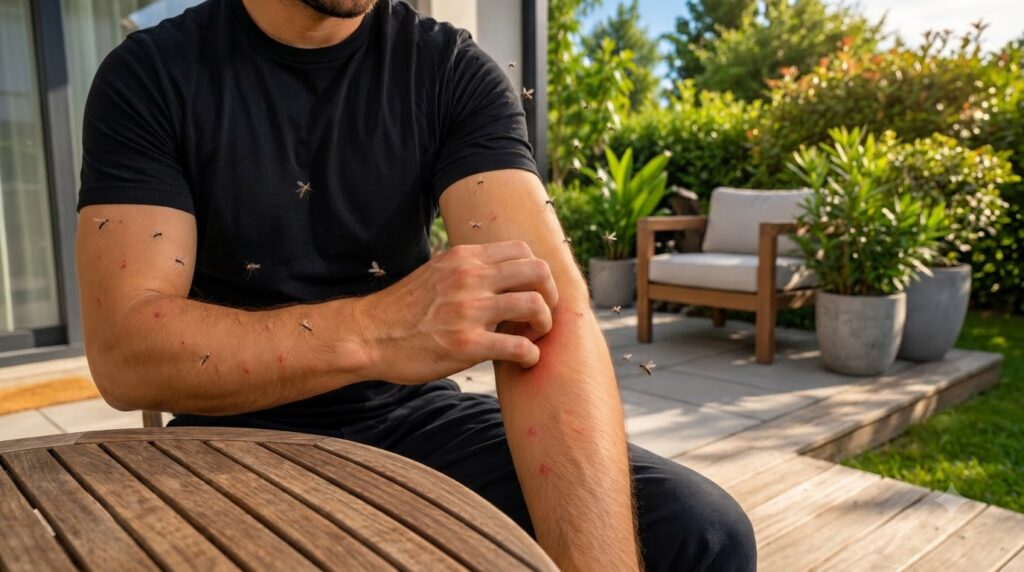
Summer nights bring joy, outdoor activities, and often, the unwelcome buzzing and biting of mosquitoes. A single mosquito bite can quickly turn into an itchy, red bump that disrupts your enjoyment of the season. While many commercial products promise relief, they often contain chemicals that some prefer to avoid. What if you could find instant, natural relief using ingredients you already have at home?
This guide is for anyone tired of the constant scratching and discomfort caused by mosquito bites. Whether you’re enjoying a backyard barbecue, camping, or just relaxing on your porch, this article will equip you with easy-to-make, natural solutions to calm those annoying bites instantly. Say goodbye to the itch and hello to peaceful summer nights!
You’ll learn how to prepare simple yet effective remedies that are gentle on your skin and kind to your wallet. We’ll cover two primary methods: a soothing baking soda paste and a refreshing apple cider vinegar and aloe vera spray. Get ready to reclaim your comfort and enjoy the outdoors bite-free!
Why You’ll Love This Guide
- Easy to Prepare: Most remedies require minimal effort and time.
- Uses Common Ingredients: You likely have these items in your pantry already.
- Budget-Friendly: Avoid expensive creams with simple, affordable solutions.
- Natural & Gentle: Harness the power of nature to soothe your skin.
- Beginner-Friendly: No special skills or tools required.
- Quick Relief: Experience immediate calming effects on itchy bites.
- Eco-Friendly: Reduce waste by using natural, reusable ingredients.
Ingredients / Materials
Remedy 1: Soothing Baking Soda Paste
- Baking Soda (Sodium Bicarbonate): 1-2 tablespoons. A natural alkaline that helps neutralize the pH of the bite and reduce itching.
- Water: 1-2 teaspoons. To create a thick paste.
Remedy 2: Refreshing Apple Cider Vinegar & Aloe Vera Spray
- Apple Cider Vinegar (ACV): ½ cup. Its acidic properties can help reduce inflammation and itchiness.
- Distilled Water: ½ cup. To dilute the ACV, making it gentler on the skin.
- Aloe Vera Gel: 2 tablespoons. Known for its cooling and soothing properties, great for irritated skin.
- Lavender Essential Oil (Optional): 5-10 drops. Offers additional soothing effects and a pleasant scent. Ensure it’s therapeutic grade.
Equipment Needed
- Small mixing bowl
- Spoon
- Small spray bottle (for ACV & Aloe Spray)
- Cotton ball or pad (for applying remedies)
- Measuring cups and spoons
Step-by-Step Instructions
How to Make and Apply the Baking Soda Paste
-
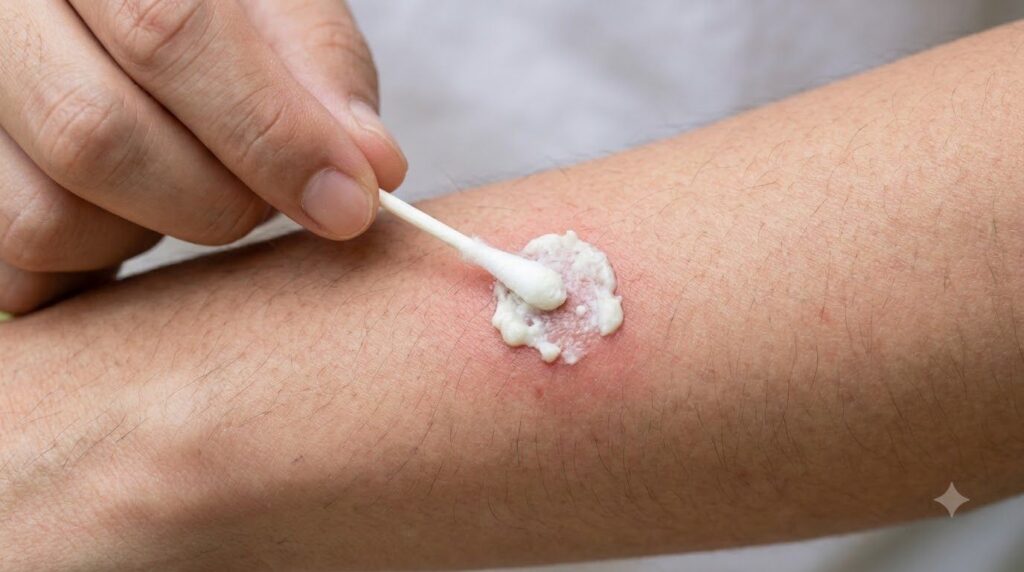
Combine Ingredients (Estimated Time: 1 minute): In a small bowl, add 1 tablespoon of baking soda. Gradually add water, starting with 1 teaspoon, and mix until a thick paste forms. You want a consistency that can stick to your skin without dripping. If it’s too thick, add a few more drops of water; if too thin, add a pinch more baking soda.
-
Apply to Bites (Estimated Time: 30 seconds per bite): Using your fingertip or a cotton swab, dab a small amount of the paste directly onto each mosquito bite. Ensure the bite is fully covered with a thin layer of paste. This directly targets the irritated area, allowing the baking soda to work its magic.
-
Allow to Dry (Estimated Time: 10-15 minutes): Let the paste dry completely on your skin. As it dries, it will form a crust. This drying action helps draw out irritants and provides sustained relief. You should feel a cooling sensation as it dries.
-
Rinse Off (Estimated Time: 1 minute): Once dry, gently rinse the area with cool water. The itch should be significantly reduced. Reapply as needed throughout the day if the itching returns. For best results, avoid scrubbing the delicate skin around the bite.
How to Make and Apply the Apple Cider Vinegar & Aloe Vera Spray
-
Mix Liquids (Estimated Time: 2 minutes): In your spray bottle, combine ½ cup of apple cider vinegar with ½ cup of distilled water. Add 2 tablespoons of aloe vera gel. If using, add 5-10 drops of lavender essential oil. The oil adds a pleasant aroma and additional soothing properties.
-
Shake Well (Estimated Time: 30 seconds): Secure the cap tightly on the spray bottle and shake vigorously to ensure all ingredients are thoroughly mixed. The aloe vera gel might need a good shake to disperse evenly. This step is crucial for an effective, consistent spray.
-
Apply to Affected Area (Estimated Time: 15 seconds): Spray the solution directly onto mosquito bites or larger areas of irritated skin. You can also spray it onto a cotton pad and dab it onto specific bites. The fine mist provides instant cooling relief. This works great for multiple bites across a larger area.
-
Let Air Dry (Estimated Time: 5-10 minutes): Allow the solution to air dry on your skin. There’s no need to rinse. You’ll notice a fresh, clean feeling as it dries. Reapply several times a day as needed for continuous comfort. The vinegar smell dissipates quickly once dry.
Expert Tips
- Cold Compress First: Before applying any remedy, a cold compress (ice pack wrapped in a cloth) can numb the area and reduce swelling for immediate relief.
- Avoid Scratching: While tempting, scratching can worsen the itch, break the skin, and lead to infection. Apply remedies promptly to avoid this urge.
- Preventative Measures: The best cure is prevention! Use natural repellents, wear long sleeves during peak mosquito hours, and eliminate standing water around your home.
- Patch Test: Always do a small patch test on an inconspicuous area of skin before applying any new remedy extensively, especially if you have sensitive skin or allergies.
- For Stronger Itch: For very persistent itching, a dab of pure tea tree oil (diluted with a carrier oil like coconut oil if sensitive) can offer potent anti-inflammatory and antiseptic benefits.
- Oatmeal Bath for Multiple Bites: If you have numerous bites all over your body, an oatmeal bath can provide widespread relief. Grind plain, uncooked oatmeal into a fine powder and add it to lukewarm bathwater. Soak for 15-20 minutes.
- Honey as an Antiseptic: A tiny dab of honey on a bite can help prevent infection due to its natural antiseptic properties, and it can also soothe the skin.
Variations
- Lemon or Lime Juice: The acidity of citrus can help alleviate itching, but be cautious. Do not expose skin with citrus juice to direct sunlight, as it can cause phytophotodermatitis (severe burns and blisters). Use only indoors or at night.
- Crushed Basil Leaves: Rubbing fresh, crushed basil leaves directly onto a bite can provide relief. Basil contains compounds like eugenol, which acts as a topical anesthetic.
- Used Green Tea Bag: A cooled, damp green tea bag placed on a bite can reduce swelling and soothe the itch due to its anti-inflammatory properties.
- Toothpaste (mint-based): A tiny dab of mint toothpaste can provide a cooling sensation that distracts from the itch. Be sure it’s a plain, white paste, not gel, and rinse off after a few minutes to avoid irritation.
- Witch Hazel: Applied with a cotton ball, witch hazel is a natural astringent that can reduce inflammation and itching.
Storage Instructions
- Baking Soda Paste: It’s best to prepare the baking soda paste fresh for each application. If you make a small batch, it can be stored in a sealed container at room temperature for up to 24 hours, but its effectiveness may diminish.
- Apple Cider Vinegar & Aloe Vera Spray: Store the spray bottle in a cool, dark place, away from direct sunlight. It can last for 1-2 weeks. If you notice any changes in smell or consistency, it’s best to discard and prepare a fresh batch. Refrigeration can extend its shelf life and provide a more refreshing sensation upon application.
- Aloe Vera Gel: If using pure aloe vera gel, store it according to its product label, usually in a cool place or refrigerator.
Safety Notes
- Do Not Apply to Broken Skin: Avoid applying these remedies to open wounds, severely broken skin, or bites that are already infected. Consult a doctor if bites show signs of infection (pus, increased redness, fever).
- Children and Pets: While generally safe, always exercise caution. For very young children or sensitive skin, dilute remedies further. Consult a pediatrician before using essential oils on infants or young children. Keep remedies out of reach of pets. Apple cider vinegar can be irritating if ingested by pets.
- Allergy Considerations: Be aware of any allergies to ingredients like aloe vera or essential oils. Always perform a patch test first.
- Essential Oil Dilution: If using essential oils, always dilute them with a carrier oil (like coconut or jojoba oil) before applying directly to the skin, especially for sensitive individuals.
- Avoid Eye Contact: Keep remedies away from eyes and mucous membranes. Rinse thoroughly with water if accidental contact occurs.
- No Ingestion: These remedies are for topical use only and should not be ingested.
Frequently Asked Questions

How long do these remedies take to work?
Most people experience significant relief from itching within minutes of application. The cooling and neutralizing effects are usually quite fast-acting.
Can I prepare them in advance?
The baking soda paste is best made fresh. The apple cider vinegar and aloe vera spray can be prepared in advance and stored for 1-2 weeks, especially if refrigerated.
Can I use these remedies on children?
For children, it’s generally safe to use diluted baking soda paste or very diluted apple cider vinegar solutions. Always perform a patch test first. Avoid essential oils on infants and consult a pediatrician for very young children.
Do these remedies also prevent mosquito bites?
No, these remedies are for treating existing bites. They do not act as repellents. For prevention, consider natural mosquito repellents or other protective measures.
What if I’m allergic to one of the ingredients?
If you have known allergies to any ingredient, do not use that specific remedy. Opt for an alternative natural solution or consult a healthcare professional.
Can I apply these remedies to areas other than mosquito bites?
Yes, the baking soda paste and ACV/aloe spray can often soothe other minor skin irritations or insect bites. However, always do a patch test and avoid open wounds or highly sensitive areas.
Will the apple cider vinegar smell linger?
The strong smell of apple cider vinegar typically dissipates quickly once it dries on the skin. If it bothers you, adding a few drops of lavender essential oil can help mask it.
Conclusion
Battling itchy mosquito bites doesn’t have to ruin your summer. With these simple, natural home remedies, you have the power to calm irritated skin and find quick, effective relief. From the neutralizing power of baking soda to the soothing properties of aloe vera and apple cider vinegar, nature offers gentle solutions that are easy to prepare and kind to your skin.
So, the next time those pesky mosquitoes leave their mark, reach for your kitchen cabinet instead of harsh chemicals. Try these tricks and rediscover the joy of comfortable, itch-free outdoor living. Your skin will thank you!