Traditional Wisdom: Morning Foods to Support Your Body’s Daily Wellness
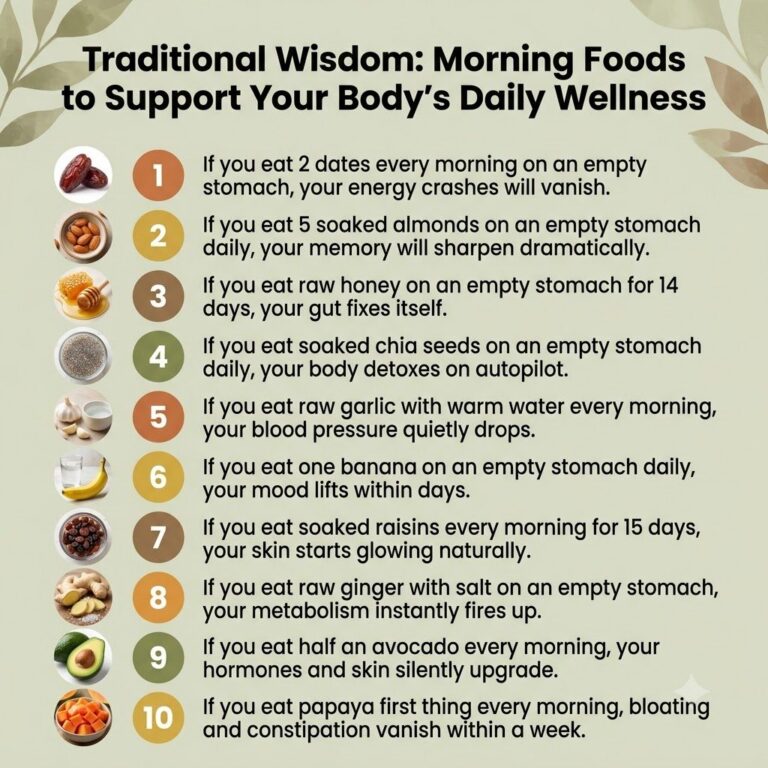
Could your morning routine be missing a vital secret ingredient? In our fast-paced world, it’s easy to reach for quick fixes or skip breakfast altogether. But what if the key to a more energized, focused, and balanced day lies in simple, time-tested foods?
For centuries, cultures around the globe have understood the profound impact of the first meal. They didn’t have nutrition labels or diet trends, but they had something even more powerful: wisdom passed down through generations. This wisdom often revolved around natural, wholesome foods designed to gently awaken the body and prepare it for the day ahead.
Why This Matters: Reconnecting with Ancient Nourishment
In today’s whirlwind of information, it’s easy to feel overwhelmed by conflicting health advice. We often overlook the fundamental truths that have sustained humanity for millennia. Many people experience morning slumps, digestive discomfort, or a lack of sustained energy, often without realizing that their breakfast choices might be playing a significant role.
This isn’t about rigid rules or extreme diets; it’s about exploring how traditional, natural foods can offer a gentle yet powerful foundation for daily wellness. Our ancestors instinctively understood how to fuel their bodies with real, unprocessed ingredients. Reconnecting with these principles can help us cut through the noise, build trust in simple solutions, and benefit from foods that have stood the test of time.
Main Educational Content: 10 Traditional Morning Foods for Vitality
Let’s dive into some incredible foods that have graced breakfast tables in various forms for generations, offering unique benefits to kickstart your day.
1. Oats: The Sustained Energy Giver
Oats are an ancient grain, a staple in many cultures for their comforting warmth and sustained energy release. Traditionally, oats were slow-cooked to create a nourishing porridge.
- How it works: Rich in soluble fiber, especially beta-glucan, oats help slow down sugar absorption, providing a steady stream of energy and preventing those mid-morning energy crashes. They also support heart health.
- Traditional uses: A fundamental part of breakfast in Celtic, Scandinavian, and Slavic cultures for centuries.
- Potential benefits: May help regulate blood sugar, lower cholesterol, and promote feelings of fullness.
2. Plain Yogurt or Kefir: Gut Health Champion
Fermented dairy products like yogurt and kefir have been cherished for their probiotic properties, contributing to a healthy digestive system.
- How it works: Live cultures (probiotics) in yogurt and kefir introduce beneficial bacteria to your gut, which are crucial for digestion, nutrient absorption, and immune function.
- Traditional uses: Integral to diets across Eastern Europe, the Middle East, and parts of Asia for thousands of years.
- Potential benefits: Supports a balanced gut microbiome, which may aid digestion, improve immunity, and even influence mood.
3. Eggs: The Complete Protein Source
Eggs have been a breakfast powerhouse for millennia, offering a complete profile of essential amino acids and vital nutrients.
- How it works: Eggs are packed with high-quality protein and healthy fats, promoting satiety and stable blood sugar. They also contain choline, important for brain health.
- Traditional uses: A convenient and nourishing food consumed by diverse cultures since ancient times.
- Potential benefits: Provides sustained energy, supports muscle health, and contributes to cognitive function.
4. Berries: Antioxidant Rich Jewels
Seasonal berries, like blueberries, raspberries, and strawberries, have always been a natural source of sweetness and vital nutrients.
- How it works: Berries are loaded with antioxidants, which combat oxidative stress in the body. They also provide fiber and essential vitamins.
- Traditional uses: Harvested and enjoyed fresh or preserved across many indigenous cultures.
- Potential benefits: May support cellular health, reduce inflammation, and provide a healthy dose of vitamins.
5. Warm Lemon Water: Simple Detox & Digestion Aid
Starting the day with warm water and lemon is a simple yet revered practice in many natural wellness traditions.
- How it works: Hydration is key after a night’s rest. Lemon adds a boost of Vitamin C and may stimulate digestive enzymes, gently preparing the gut for food.
- Traditional uses: A common morning ritual in Ayurvedic and traditional Chinese medicine practices.
- Potential benefits: Supports hydration, may aid digestion, and provides a gentle source of Vitamin C.
6. Green Tea: Gentle Alertness & Antioxidants
A revered beverage, green tea offers a gentle energy lift without the jitters often associated with coffee, alongside a wealth of antioxidants.
- How it works: Contains L-theanine, an amino acid that works synergistically with caffeine to promote calm focus. Rich in catechins, powerful antioxidants.
- Traditional uses: Central to wellness practices in Asian cultures for thousands of years.
- Potential benefits: May enhance focus, support metabolic health, and provide antioxidant protection.
7. Ginger Tea: Warming & Digestive Comfort
Ginger, a potent root, has been used in various forms for its warming and digestive properties.
- How it works: Gingerols in ginger have anti-inflammatory and antioxidant effects. It’s known to soothe the digestive tract and stimulate circulation.
- Traditional uses: Widely used in Ayurvedic and traditional Chinese medicine for digestive issues, nausea, and as a warming tonic.
- Potential benefits: May aid digestion, reduce nausea, and offer anti-inflammatory support.
8. Whole Grain Sourdough or Sprouted Bread: Complex Carbs with a Twist
Unlike highly processed white bread, traditional whole grain or sourdough breads offer complex carbohydrates and beneficial fermentation.
- How it works: Whole grains provide fiber and sustained energy. Sourdough fermentation can make nutrients more bioavailable and reduce phytic acid, improving digestibility.
- Traditional uses: Sourdough bread-making dates back to ancient Egypt, a fundamental food in many European cultures.
- Potential benefits: Provides sustained energy, supports gut health through fermentation (sourdough), and offers essential nutrients.
9. Apples: Fiber-Rich & Naturally Sweet
The humble apple has long been celebrated for its nutritional value and ease of consumption.
- How it works: Apples are rich in soluble and insoluble fiber, aiding digestion and promoting satiety. They also contain antioxidants and natural sugars for a gentle energy boost.
- Traditional uses: A widespread and accessible fruit, often associated with maintaining good health in many folk traditions.
- Potential benefits: Supports digestive regularity, provides natural energy, and offers a range of vitamins and minerals.
10. Raw Honey: Nature’s Sweetener & Soother
Used for centuries not just as a sweetener, but also for its potential health-supporting properties, raw honey is a natural marvel.
- How it works: Raw honey contains beneficial enzymes, antioxidants, and trace minerals. It provides easily digestible carbohydrates for energy.
- Traditional uses: Revered in ancient Egyptian, Greek, and Ayurvedic medicine for its medicinal properties and as a natural energy source.
- Potential benefits: May offer antibacterial properties, soothe sore throats, and provide a natural, energy-boosting sweetness. (Best used in moderation.)
Practical Guide: Incorporating Traditional Morning Foods
Making these traditional foods a part of your routine doesn’t have to be complicated. Here are some simple tips:
- Start Small: Choose one or two foods from this list to incorporate each week.
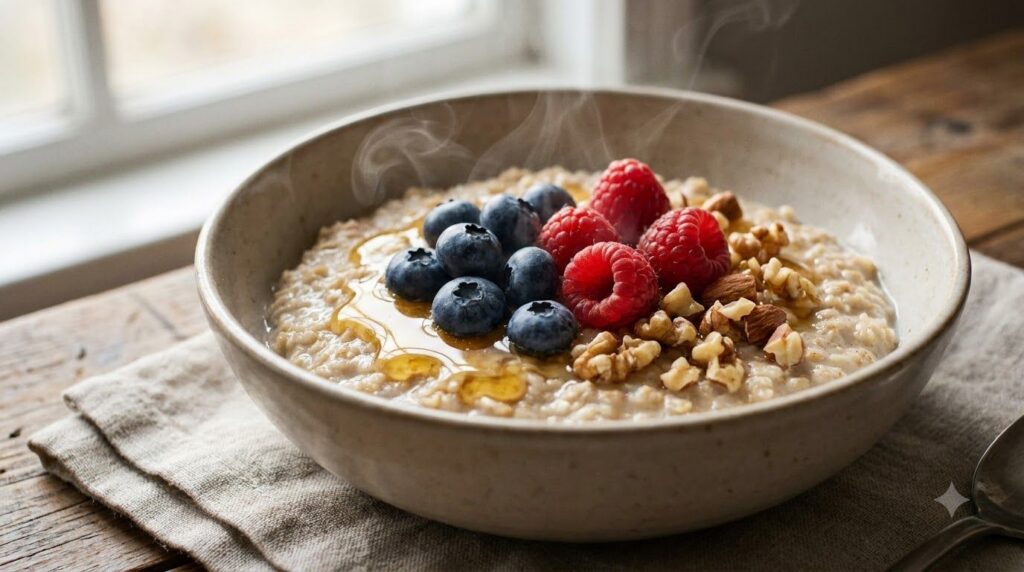
- Combine for Synergy: Pair oats with berries and a dollop of yogurt for a balanced meal. Add honey to your ginger or green tea.
- Preparation is Key: Prep overnight oats, boil eggs ahead of time, or chop fruits and store them in the fridge for quick access.
- Listen to Your Body: Pay attention to how different foods make you feel. What truly energizes you?
- Hydrate First: Always begin your morning with a glass of water, perhaps with a squeeze of lemon, before moving onto food.
- Mindful Eating: Take your time to savor your breakfast. Eating mindfully can enhance digestion and enjoyment.
Safety & Precautions
While these natural foods are generally safe and beneficial for most people, it’s always wise to consider individual circumstances:
- Allergies: Be aware of common allergies like dairy, eggs, or specific fruits.
- Existing Medical Conditions: If you have diabetes, IBS, or other health conditions, consult your healthcare provider or a registered dietitian before making significant dietary changes. For instance, some fermented foods or high-fiber options might need careful introduction.
- Medication Interactions: Certain foods (like ginger or green tea in very large quantities) could potentially interact with medications, especially blood thinners. Always check with your doctor if you have concerns.
- Pregnancy & Breastfeeding: While most of these are safe, specific dietary advice should come from a healthcare professional during pregnancy and breastfeeding.
Remember, natural approaches are wonderful for supporting wellness, but they are not a substitute for professional medical advice or treatment.
Key Takeaways
- Traditional morning foods offer a rich source of nutrients and wisdom for daily wellness.
- They focus on whole, unprocessed ingredients that provide sustained energy and support various bodily functions.
- Incorporating foods like oats, yogurt, eggs, and berries can enhance gut health, boost energy, and provide essential vitamins and antioxidants.
- Simple practices like warm lemon water or ginger tea can support digestion and hydration.
- Always listen to your body and consult a healthcare professional, especially if you have existing health conditions or allergies.
FAQ
Q1: Are these traditional morning foods suitable for vegetarians or vegans?
Many of these foods are plant-based (oats, berries, lemon, green tea, ginger, apples, whole grain bread, honey). For protein, vegans can substitute eggs and yogurt with plant-based alternatives like tofu scramble, fortified plant-based yogurts, or incorporate chia seeds (a great source of omega-3s and fiber often used in traditional diets) into oats or smoothies.
Q2: How quickly can I expect to feel benefits from incorporating these foods?
Individual results vary, but many people report feeling more sustained energy, improved digestion, and better satiety within a few days or weeks of consistently choosing more wholesome, traditional morning foods. Long-term benefits, like improved gut health or better blood sugar management, typically develop over months.
Q3: Can I still drink coffee with these traditional breakfasts?
While coffee wasn’t a traditional breakfast staple in many ancient cultures, it can certainly be part of a balanced modern routine. If you enjoy coffee, consider drinking it after your nourishing breakfast or choosing a moderate amount. Some prefer green tea or ginger tea for a gentler, more sustained lift without the potential jitters or energy crash.
Q4: What’s the difference between traditional and modern breakfast foods?
Traditional breakfast foods often emphasize whole, unprocessed ingredients that were readily available and prepared simply. Think grains, fruits, eggs, and fermented dairy. Modern breakfast trends can sometimes lean towards highly processed cereals, sugary pastries, or quick, less-nutritious options, which may offer quick energy but often lead to energy crashes and lack essential nutrients.
Related Reading
If you enjoyed exploring traditional morning wisdom, you might also like these articles:
- The Power of Probiotics: Boosting Your Gut Health Naturally
- Herbal Teas for Daily Wellness: Beyond the Teacup
- Anti-Inflammatory Foods You Should Be Eating Every Day
- Mindful Eating: A Path to Better Digestion and Well-being
- Simple Home Remedies for Digestive Comfort