As the vibrant days of summer begin to gently fade, many gardeners might think their growing season is winding down. But for those in the know, September marks the exciting start of a second gardening act: fall planting! Starting seeds in September is a fantastic way to extend your harvest, enjoy fresh produce well into autumn, and even prepare for an early spring bounty. Imagine crisp salads, hearty greens, and crunchy root vegetables from your very own backyard.
At Garden – L. Quyên, we believe that every season offers unique gardening opportunities. Fall gardening, in particular, can be incredibly rewarding, offering a break from the intense summer heat and often fewer pest pressures. This guide is designed to help you make the most of September by showing you exactly what seeds you should be starting now for a thriving fall harvest.
Why September is Perfect for Starting Seeds
September offers ideal conditions for many cool-season crops. The soil is still warm from the summer sun, which helps with germination, but the scorching heat of July and August has subsided, preventing young seedlings from bolting (going to seed prematurely). The shorter days and cooler nights are exactly what many of these vegetables crave, leading to sweeter, more tender harvests.
Top Picks for Your September Seed Starting
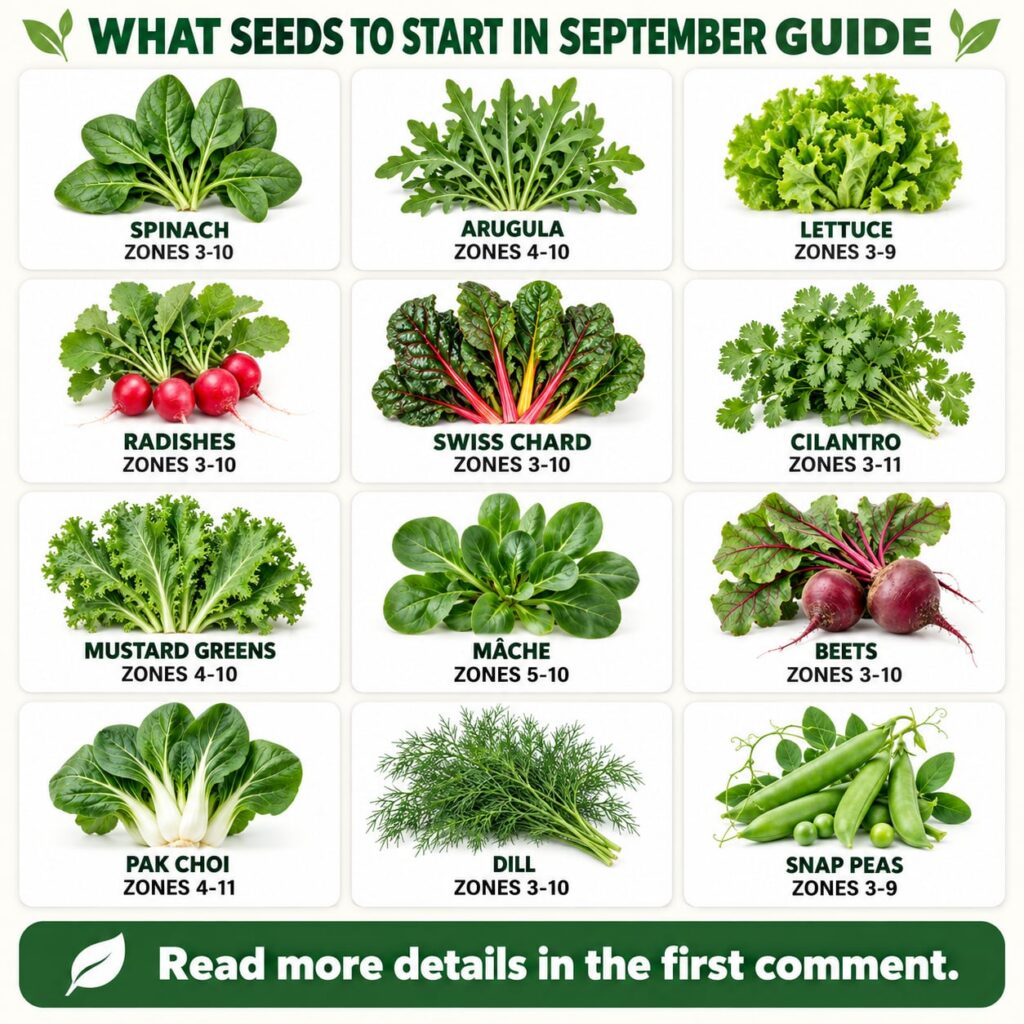
Based on our experience and what thrives in many regions, here are some of the best vegetables and herbs to start from seed in September:
Leafy Greens Galore
- Spinach: A classic cool-season crop, spinach loves the crisp fall air. Plant seeds directly in your garden bed for a continuous harvest of tender leaves.
- Arugula: For a peppery kick in your salads, arugula is a fast grower. It thrives in cooler temperatures and can be harvested as baby greens in just a few weeks.
- Lettuce: From crisp romaine to delicate butterhead, there’s a lettuce for every palate. Succession plant every couple of weeks for a steady supply.
- Swiss Chard: With its vibrant stems and nutritious leaves, Swiss Chard is both beautiful and delicious. It’s quite hardy and can tolerate light frosts.
- Mustard Greens: If you enjoy a bit of spice, mustard greens are an excellent choice. They grow quickly and are perfect for stir-fries or braising.
- Mâche (Corn Salad): This delicate, nutty-flavored green is incredibly cold-hardy and perfect for fall and even winter harvests in milder climates.
Root Vegetables for Rich Flavors
- Radishes: Quick to mature, radishes can be sown every week or two for a continuous harvest. They prefer well-drained soil and consistent moisture.
- Beets: You can harvest both the nutritious greens and the sweet roots from beet plants. Sow seeds directly and thin them as they grow.
Herbs to Enhance Your Autumn Dishes
- Cilantro: This aromatic herb tends to bolt in summer heat but thrives in the cooler temperatures of fall, providing fresh leaves for your culinary creations.
- Dill: Another herb that appreciates cooler weather, dill is perfect for pickling, fish dishes, and adding freshness to salads.
Sweet and Satisfying Pods
- Snap Peas: Enjoy crunchy, sweet snap peas by planting them in early to mid-September. They need a trellis or support to climb.
Essential Seed Starting Tips for Fall
To ensure your September-sown seeds flourish into a bountiful fall harvest, keep these tips in mind:
1. Prepare Your Soil
Healthy soil is the foundation of a successful garden. Amend your garden beds with compost or other organic matter to improve drainage, fertility, and aeration. A soil rich in nutrients will give your seedlings the best start.
2. Choose the Right Location
Even though the sun isn’t as intense as in summer, most fall crops still need at least 6 hours of direct sunlight per day. Select a spot that receives ample light and is protected from harsh winds.
3. Proper Watering is Key
Keep the soil consistently moist, especially during germination and when seedlings are young. Water deeply but avoid overwatering, which can lead to damping-off disease. As plants mature, adjust your watering schedule based on rainfall and soil moisture.
4. Succession Planting for Continuous Harvests
For crops like lettuce, radishes, and arugula, consider succession planting. This means sowing a small batch of seeds every 1-2 weeks. This strategy ensures you have a continuous supply of fresh vegetables rather than a single large harvest all at once.
5. Protect from Early Frosts
While many cool-season crops tolerate light frost, an unexpected early hard freeze can be detrimental to young plants. Have row covers, old sheets, or cloches ready to protect your precious seedlings if temperatures are forecast to drop significantly.
Embrace the Fall Gardening Season!
Starting seeds in September is a wonderful way to extend your gardening joy and provide your kitchen with fresh, homegrown produce throughout the autumn months. It’s a testament to the resilience and generosity of nature, offering a second chance at harvest after the summer rush. So, grab your seeds, prepare your beds, and get ready to enjoy the unique delights of a fall garden!
What are you excited to plant this September? Share your fall gardening plans with us in the comments below!