Grow Bountiful Peppers: Your Guide to 5-Gallon Bucket Gardening
Dreaming of a vibrant harvest of fresh peppers, even if you have limited space? You’re in luck! Growing peppers in 5-gallon buckets is a fantastic way to enjoy a productive vegetable garden, whether you have a small patio, balcony, or just want to add more greenery to your yard. With the right care and attention, you can achieve an incredibly bountiful harvest, making those dreams of homegrown peppers a delicious reality.
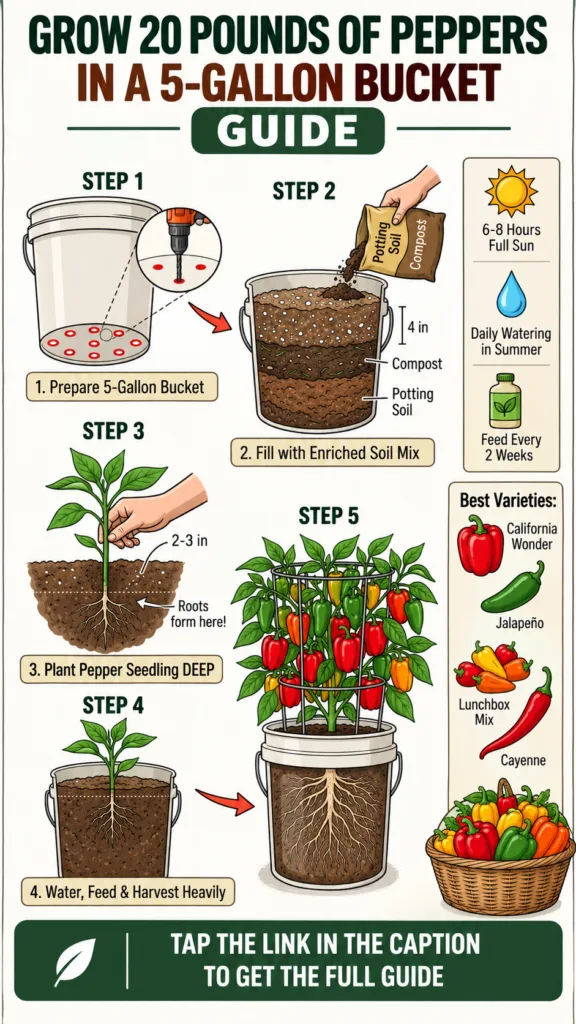
Why Choose 5-Gallon Buckets for Your Pepper Plants?
Container gardening, especially with 5-gallon buckets, offers numerous benefits for growing peppers:
- Space Efficiency: Perfect for small spaces like balconies, patios, or urban gardens.
- Portability: Easily move your plants to optimize sun exposure or protect them from harsh weather.
- Pest and Disease Control: Isolating plants in containers can help prevent the spread of soil-borne diseases and make pest management simpler.
- Soil Control: You get to choose and maintain the perfect soil mix, ensuring optimal nutrients and drainage for your peppers.
- Flexibility: Experiment with different varieties without committing large garden bed space.
Choosing the Right Pepper Varieties for Containers
While many pepper varieties can thrive in a bucket, some are better suited than others:
- Bushy and Compact Varieties: Look for descriptions like ‘bush,’ ‘compact,’ or ‘dwarf.’
- Bell Peppers: ‘California Wonder,’ ‘Red Knight,’ ‘Orange Blaze.’
- Hot Peppers: ‘Jalapeño M,’ ‘Habanero,’ ‘Poblano,’ ‘Serrano.’
- Sweet Peppers: ‘Sweet Banana,’ ‘Lunchbox’ varieties.
Always check the mature size of the plant when selecting a variety for container growing.
Your Step-by-Step Guide to Growing Peppers in a 5-Gallon Bucket
1. Prepare Your Buckets
Start with clean, food-grade 5-gallon buckets. It’s crucial to create proper drainage to prevent waterlogging, which can kill your pepper plants.
- Drill Holes: Drill 4-6 holes, about ½ inch in diameter, around the bottom edge of the bucket for drainage. You can also drill a few holes on the very bottom.
- Cleanliness: Wash buckets thoroughly before use, especially if they weren’t new.
2. Select the Right Potting Mix
Good soil is key to a successful pepper harvest. Don’t use heavy garden soil, which can compact and impede drainage.
- High-Quality Potting Mix: Choose a well-draining, nutrient-rich potting mix. Look for mixes designed for vegetables or containers.
- Compost: Amend your potting mix with a few handfuls of compost or worm castings to boost nutrients.
- Perlite/Vermiculite: Adding perlite or vermiculite can further improve drainage and aeration.
3. Planting Your Pepper Seedlings
Peppers can be grown from seeds, but for quicker results, most gardeners start with seedlings.
- Timing: Plant after the last frost date, when soil temperatures are consistently above 60°F (15°C).
- How to Plant: Fill your bucket with potting mix, leaving about 2-3 inches from the rim. Dig a hole large enough for the seedling’s root ball. Gently remove the seedling from its nursery pot, place it in the hole, and backfill with soil, lightly firming around the base.
- Watering In: Water thoroughly immediately after planting to help settle the soil.
4. Sunlight Requirements
Peppers are sun-lovers!
- Full Sun: They need at least 6-8 hours of direct sunlight per day to produce a good harvest.
- Observation: Place your buckets in the sunniest spot available. If temperatures soar above 90°F (32°C), you might need to provide some afternoon shade to prevent scorching.
5. Watering and Feeding
Consistent watering and feeding are vital for healthy pepper plants.
- Watering: Peppers prefer consistently moist soil, but not waterlogged. Check the soil moisture daily by sticking your finger about an inch deep. If it feels dry, it’s time to water. Water until you see it draining from the bottom of the bucket.
- Fertilizing: Peppers are heavy feeders. Start with a balanced liquid fertilizer (e.g., 5-10-10 or 5-10-5) after they start producing flowers and fruit, following package directions. Reduce nitrogen once fruiting begins to encourage fruit production over leafy growth. Fertilize every 2-4 weeks.
6. Providing Support (Staking)
As pepper plants mature and begin to bear fruit, they can become top-heavy and prone to falling over, especially in windy conditions.
- Stakes or Cages: Insert a sturdy stake (bamboo or metal) into the bucket at planting time, being careful not to damage roots. As the plant grows, gently tie the main stem to the stake. Alternatively, use a small tomato cage.
7. Pest and Disease Management
Even in containers, pests and diseases can be an issue. Regular inspection is key.
- Common Pests: Aphids, spider mites, and whiteflies. Hand-pick larger pests or use insecticidal soap for smaller ones.
- Diseases: Good air circulation and proper watering can prevent many fungal issues.
- Prevention: Healthy plants are more resistant. Ensure good light, water, and nutrients.
8. Harvesting Your Peppers
The most rewarding part!
- When to Harvest: Peppers are typically ready to harvest when they reach their mature size and desired color (green, red, yellow, etc., depending on variety).
- How to Harvest: Use clean pruning shears or a sharp knife to cut the stem about an inch above the pepper. Pulling them off can damage the plant.
- Enjoy! The more you pick, the more the plant will produce, often leading to multiple flushes of peppers throughout the growing season.
Tips for a Super-Abundant Pepper Harvest
- Mulch: Add a layer of straw or wood chips on top of the soil to retain moisture and regulate soil temperature.
- Pruning: Pinch off the first few flowers on young plants to encourage stronger root development and more vigorous growth before fruit production.
- Succession Planting: If you have space, plant a few buckets of peppers a few weeks apart to extend your harvest season.
Growing peppers in 5-gallon buckets is a rewarding experience that can yield an impressive amount of fresh produce for your kitchen. By following these simple steps, you’ll be well on your way to enjoying a continuous supply of homegrown peppers. Happy gardening!