Most people ignore the vibrant blue flowers peeking out from shady spots, dismissing them as just another garden weed. Yet, this unassuming plant, known as Asiatic Dayflower (Commelina communis), holds a surprisingly practical secret: it’s not only edible but also a versatile addition to your home remedies and culinary adventures. While its beauty is undeniable, its utility often goes unnoticed. Knowing how to identify, harvest, and prepare this common plant can open up a world of simple, natural goodness right in your backyard.
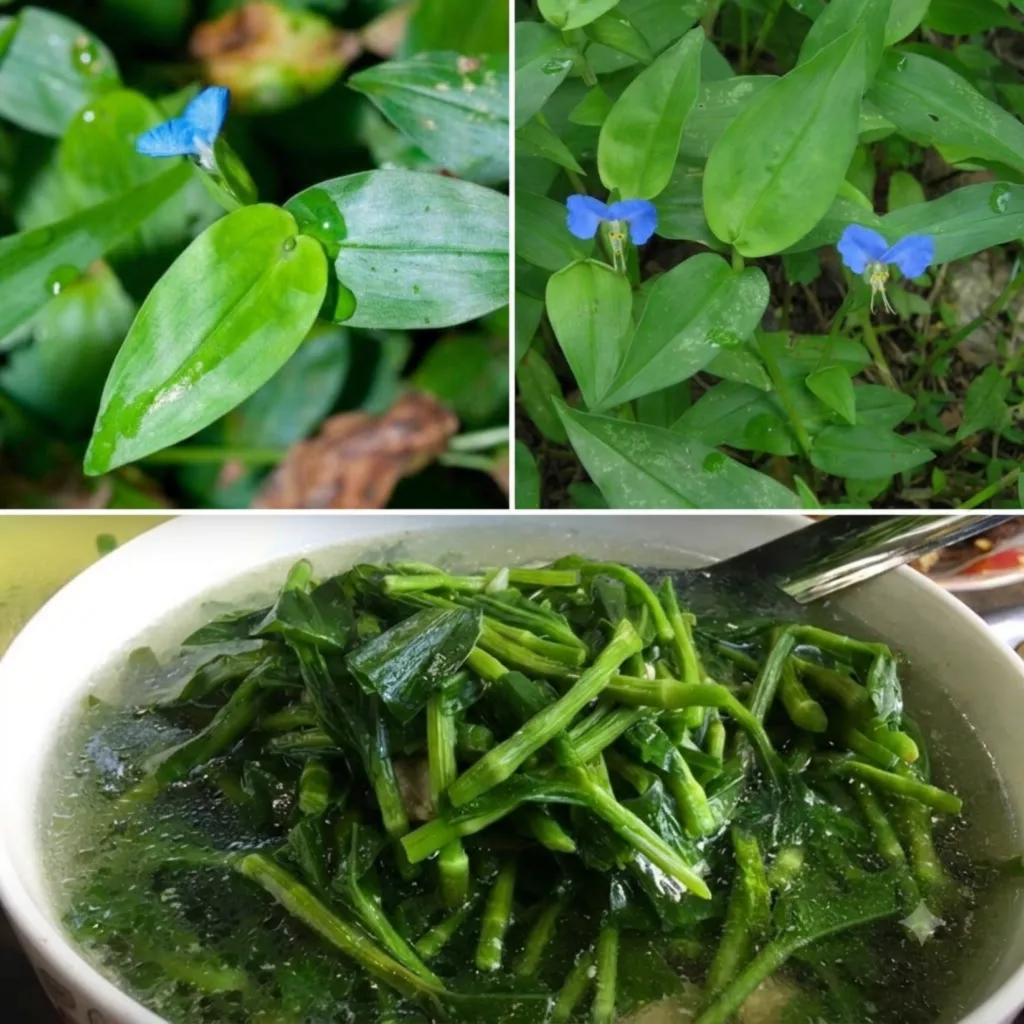 From garden to table, the versatility of Asiatic Dayflower
What It Is
Asiatic Dayflower (Commelina communis) is a herbaceous annual plant native to East Asia but now found in many parts of the world, often thriving in moist, disturbed soil like gardens, roadsides, and agricultural fields. It’s easily recognizable by its distinctive bright blue flowers, each with two prominent petals and a smaller, often white, third petal, appearing from summer to fall. Its leaves are broad, lance-shaped, and grow alternately along the stem. The stems themselves are somewhat fleshy and jointed, sometimes trailing along the ground before curving upwards.
Culturally, Asiatic Dayflower has been used in traditional folk practices for generations, particularly in Asian cuisine and herbal traditions. It’s valued for its mucilaginous texture when cooked and its mild, slightly sweet flavor, making it a pleasant green vegetable. It’s sometimes confused with other plants, so proper identification is crucial before consumption.
Ingredients for a Simple Asiatic Dayflower Broth
This recipe focuses on a straightforward preparation that highlights the natural flavor and texture of the Asiatic Dayflower, perfect for a light meal or a nourishing side dish. The emphasis is on freshness and simplicity.
- 2-3 cups fresh Asiatic Dayflower leaves and tender stems, tightly packed
- 4 cups water or light vegetable broth
- 1 small clove garlic, minced (optional)
- 1/2 teaspoon salt, or to taste
- A pinch of black pepper (optional)
- 1 teaspoon sesame oil or olive oil (optional, for garnish)
Approximate Measurements
For a single serving, roughly 1-2 cups of fresh, cleaned dayflower greens are sufficient. For a broth serving 2-3 people, about 2-3 cups of packed greens are ideal for the 4 cups of liquid, ensuring a good balance of flavor and texture without overwhelming the dish.
Formula / Recipe: Nourishing Dayflower Broth
This recipe is designed to be quick, easy, and gentle, preserving the delicate qualities of the Asiatic Dayflower. It’s an excellent way to introduce this edible plant into your diet.
- Prepare the Dayflower: Gather fresh Asiatic Dayflower. Focus on younger, tender leaves and stems, as older parts can be tougher.
- Wash Thoroughly: Rinse the greens multiple times under cool running water to remove any soil, insects, or debris. A quick soak in a bowl of water for a few minutes can help loosen stubborn dirt.
- Chop: Roughly chop the cleaned leaves and tender stems into 1-inch pieces.
- Simmer Liquid: In a medium saucepan, bring 4 cups of water or vegetable broth to a gentle simmer.
- Add Garlic (Optional): If using, add the minced garlic to the simmering liquid and cook for 1 minute until fragrant.
- Introduce Dayflower: Add the chopped Asiatic Dayflower to the simmering liquid.
- Cook Briefly: Cook for only 2-3 minutes, or until the leaves turn a vibrant green and are just tender. Overcooking can make them mushy and diminish their nutritional value.
- Season: Stir in salt and pepper to taste.
- Serve: Ladle the broth with the cooked greens into bowls. Drizzle with a tiny bit of sesame or olive oil, if desired, for added flavor.
Quick Tip: Fresh vs. Dried
Asiatic Dayflower is best used fresh. Its tender texture and mild flavor are most pronounced when harvested and cooked shortly after. Drying it can diminish its unique qualities and is not a common preparation method for culinary use. For broths and stir-fries, always opt for fresh.
Step-by-Step Method in Detail
Successful preparation starts with careful harvesting and cleaning. Always ensure you are collecting from an area free of pesticides, herbicides, and pollutants.
- Identify Correctly: Before harvesting, double-check that you have positively identified Commelina communis. Look for the distinct blue petals and broad leaves. If in doubt, do not consume.
- Harvesting: Using clean garden shears or your fingers, snip or pinch off the younger, brighter green leaves and the top 4-6 inches of tender stems. Avoid any leaves that look yellowed, damaged, or show signs of disease.
- Initial Rinse: Place harvested greens in a large bowl of cool water. Swirl them around to dislodge loose dirt. Lift them out, leaving sediment behind, and repeat with fresh water until the water is clear.
- Inspection: Lay the cleaned greens on a clean towel. Carefully inspect each piece for any lingering debris, small insects, or tough, fibrous parts that might have been missed. Remove any undesirable sections.
- Uniform Chop: Gather the cleaned leaves and tender stems into a bundle. Using a sharp knife, chop them into roughly 1-inch pieces. This ensures even cooking.
- Broth Foundation: Pour water or vegetable broth into a saucepan. Bring it to a gentle, rolling simmer over medium heat. Avoid a vigorous boil, as this can make the broth evaporate too quickly.
- Flavor Base (Optional): If adding garlic, sauté it in a tiny bit of oil in the saucepan for about 30 seconds before adding the liquid, or simply add it to the simmering liquid as instructed.
- Gentle Cook: Add the chopped dayflower. Stir gently to submerge. Cook only until the leaves are bright green and slightly wilted, but still have a slight bite. This brief cooking time is key to retaining nutrients and flavor.
- Final Seasoning: Taste the broth and adjust salt and pepper. Remember that the salt content of vegetable broth can vary, so taste before adding more.
How to Use
This simple dayflower broth can be enjoyed on its own as a light, nourishing soup, or served as a side dish alongside rice, grilled fish, or lean protein. The cooked greens can also be strained from the broth and added to stir-fries, omelets, or mixed into grain bowls for a boost of nutrients. Its mild flavor makes it adaptable to many dishes.
How Often to Use
As with any new food, start with a small amount to ensure no adverse reactions. Once you know it agrees with you, Asiatic Dayflower can be incorporated into your diet a few times a week. It serves well as a substitute for spinach or other leafy greens in many recipes. Consistency in consumption is more beneficial than large, infrequent amounts.
How to Buy / How to Choose Ingredients
Asiatic Dayflower is rarely found in commercial grocery stores, meaning most people will need to forage for it or cultivate it themselves. When foraging:
- Location is Key: Choose areas away from roadsides, industrial zones, and conventional farms where pesticides or heavy metals might be present. Pristine wild areas or your own chemical-free garden are ideal.
- Healthy Plants: Look for vibrant, healthy-looking plants. Avoid any that appear wilted, discolored, or have insect damage.
- Younger is Better: Opt for younger leaves and tender stems, as they are less fibrous and more palatable.
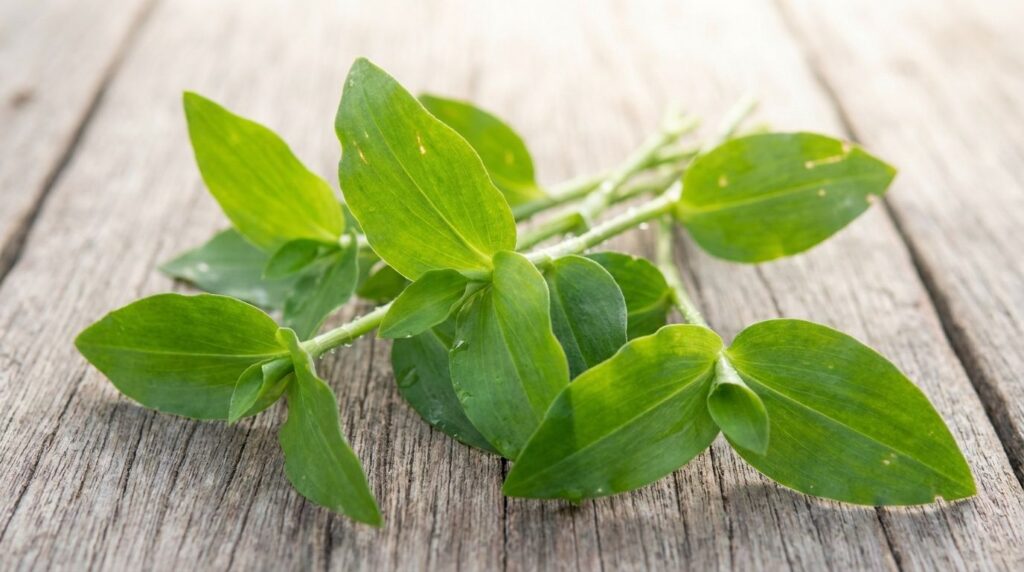 Choose young, healthy leaves for the best flavor and texture.
Storage
Fresh Asiatic Dayflower is best used immediately after harvesting. If you need to store it briefly:
- Refrigeration: Wrap the unwashed leaves and stems loosely in a damp paper towel and place them in a perforated plastic bag in the crisper drawer of your refrigerator. It will stay fresh for 1-2 days.
- Avoid Washing Until Ready: Washing before storage can accelerate spoilage.
- Cooked Broth: The prepared broth can be stored in an airtight container in the refrigerator for up to 2-3 days. Reheat gently on the stovetop.
Practical Tips
- Versatile Green: Don’t limit yourself to broth. Asiatic Dayflower can be stir-fried, blanched and added to salads, or sautéed with other vegetables. Its slightly mucilaginous texture makes it a good thickener for soups and stews.
- Mild Flavor: Its mild taste means it pairs well with a variety of seasonings. A squeeze of lemon juice, a dash of soy sauce, or a sprinkle of chili flakes can enhance its flavor.
- Companion Planting: If you have a garden, consider allowing some Asiatic Dayflower to grow. It can act as a ground cover in moist areas, and its flowers attract pollinators.
Common Mistakes
Even with simple preparations, a few common errors can detract from the experience:
- Misidentification: The most critical mistake is harvesting and consuming the wrong plant. Always be 100% certain of your identification. When in doubt, leave it out.
- Harvesting from Contaminated Areas: Picking plants from roadsides or chemically treated lawns can expose you to harmful pollutants. Always forage in clean, safe environments.
- Overcooking: Asiatic Dayflower cooks quickly. Overcooking will turn it mushy, diminish its vibrant green color, and reduce its nutritional value. Aim for just tender.
- Not Washing Thoroughly: Wild-foraged plants can harbor soil, tiny insects, or other debris. Multiple rinses are essential for food safety.
- Ignoring Tough Stems: While tender stems are fine, older, thicker stems can be fibrous. Trim these off to ensure a pleasant eating experience.
Cautions / Who Should Avoid It
While generally considered safe for consumption when properly identified and prepared, a few cautions apply:
- Allergies: As with any new food, some individuals may experience allergic reactions. Start with a small amount.
- Pregnancy and Breastfeeding: There is limited scientific research on the effects of consuming large quantities of Asiatic Dayflower during pregnancy or breastfeeding. It’s best to consult a healthcare professional.
- Medication Interactions: If you are on medication, especially blood thinners or diabetes medication, consult your doctor. While not strongly documented, some plants can have mild interactions.
- Oxalates: Like many leafy greens (e.g., spinach, Swiss chard), Asiatic Dayflower contains oxalates. Cooking can reduce oxalate content. Individuals prone to kidney stones should consume in moderation.
Quick Summary
Asiatic Dayflower is a surprisingly useful wild edible with a mild, slightly sweet flavor. It’s best used fresh in simple preparations like a nourishing broth or stir-fry. Always forage from clean areas and ensure correct identification. Store fresh leaves briefly in the refrigerator and consume cooked dishes within 2-3 days. Avoid overcooking to preserve its texture and nutrients. Individuals with specific health conditions should exercise caution and consult a healthcare provider.
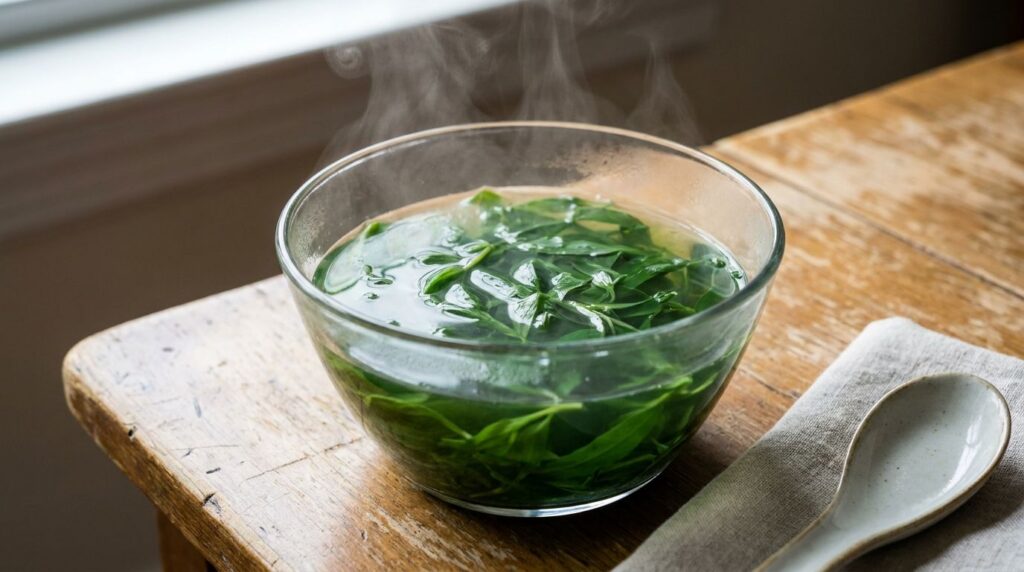 A simple, nourishing broth made from Asiatic Dayflower.
FAQ
Can I eat Asiatic Dayflower raw?
While some sources suggest raw consumption, cooking is generally recommended to improve digestibility, reduce oxalate content, and enhance its mucilaginous texture.
How long does fresh Asiatic Dayflower last?
Freshly harvested Asiatic Dayflower should be used within 1-2 days if stored properly in the refrigerator.
Can I freeze Asiatic Dayflower?
Blanching and then freezing can extend its shelf life, similar to spinach. However, its texture may change slightly upon thawing.
What part of the Asiatic Dayflower is best to use?
The younger leaves and tender tips of the stems are the most palatable and nutritious. Avoid older, fibrous stems.
Are there any look-alikes I should be aware of?
While its distinct blue flowers make it fairly easy to identify, always be cautious. Ensure the plant has the characteristic two large blue petals and one smaller white petal. Avoid any plant with red sap or milky white sap.
Can I grow Asiatic Dayflower in my garden?
Yes, it’s quite easy to grow from seed or cuttings. It thrives in moist, partly shaded conditions. Be aware it can spread readily, so manage its growth if you don’t want it to take over.
Does cooking destroy its nutrients?
Brief cooking, as in the broth recipe, helps make nutrients more bioavailable while minimizing nutrient loss. Overcooking is what can significantly reduce nutrient content.
Conclusion
The next time you spot the captivating blue flowers of Asiatic Dayflower, remember that this isn’t just a resilient plant; it’s a potential source of nourishment and a link to traditional culinary practices. By learning to identify and prepare it correctly, you can add a unique and wholesome green to your diet, transforming an often-overlooked plant into a valuable ingredient. Simple, practical, and right at your fingertips, the Asiatic Dayflower offers a gentle reminder of nature’s abundant gifts.