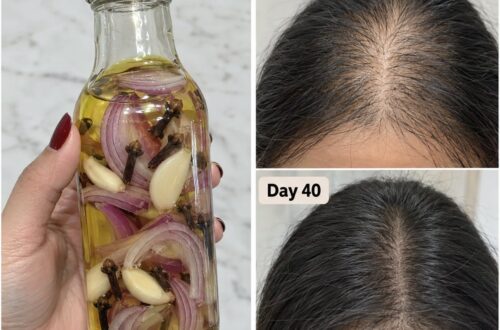
Natural Hair Growth: Onion Oil for Thicker, Healthier Hair!
Are you dreaming of fuller, more vibrant hair, but feel like it’s an uphill battle? Many of us experience hair thinning or struggle with slow growth, often searching for natural solutions that truly make a difference. What if a simple, everyday ingredient from your kitchen could hold the secret to revitalizing your locks?
For centuries, traditional wisdom has hinted at the remarkable properties of humble onions, not just for cooking, but for promoting hair health. It might sound unusual at first, but a homemade onion-infused oil could be the natural boost your scalp and hair have been waiting for. Let’s explore how this often-overlooked remedy is making a comeback in the world of natural wellness and how you can harness its potential.
Why This Matters: The Quest for Natural Hair Solutions
Hair concerns are surprisingly common, impacting confidence and well-being. From environmental stressors to nutritional gaps, and even the natural aging process, many factors can contribute to dull, brittle, or thinning hair. This drives a growing interest in holistic, natural approaches that support the body’s own ability to thrive.
You might have seen mentions of onion oil popping up in wellness communities and online. Its rising popularity stems from a desire for remedies free from harsh chemicals, focusing instead on nutrient-rich ingredients. People are drawn to the idea of using something accessible and gentle, believing it can nourish their scalp and hair follicles from the roots up. While modern science is still exploring the full extent of its benefits, the long history of traditional use and anecdotal success stories make it a fascinating topic for anyone seeking a more natural path to healthy hair.
The Power of the Humble Onion for Your Hair
So, what exactly makes onions a potential ally for your hair? It primarily comes down to their rich composition of key compounds:
- Sulfur: Onions are packed with dietary sulfur, a crucial mineral for the production of keratin, a protein that is the primary component of hair. Sulfur is believed to help strengthen hair strands, reduce breakage, and potentially stimulate collagen production, which is essential for healthy new hair growth.
- Antioxidants: Onions contain powerful antioxidants like flavonoids and vitamins C and E. These compounds help combat free radical damage, which can contribute to hair follicle damage and premature graying. By neutralizing these damaging elements, antioxidants may create a healthier environment for hair to flourish.
- Antimicrobial Properties: Some research suggests onions possess antimicrobial qualities. A healthy scalp is fundamental for healthy hair, and these properties may help fight off scalp infections or issues that could hinder hair growth.
- Improved Circulation: Massaging onion oil into the scalp can help increase blood circulation to the hair follicles. Enhanced blood flow delivers more oxygen and nutrients to the roots, which is vital for robust hair growth.
Traditional Use vs. Scientific Understanding:
- Traditional Use: For generations, onion juice and extracts have been used in various cultures as a folk remedy for hair loss, dandruff, and to promote shine. It’s a time-honored practice passed down through families.
- Scientific Understanding: While extensive large-scale clinical trials are still ongoing, some smaller studies have indicated that topical application of onion juice (or extracts) may show promise in managing conditions like alopecia areata and promoting hair regrowth. However, more research is needed to fully understand the mechanisms and establish definitive benefits for general hair thinning or growth. It’s important to approach these claims with a balanced perspective, appreciating traditional wisdom while awaiting more conclusive scientific evidence.
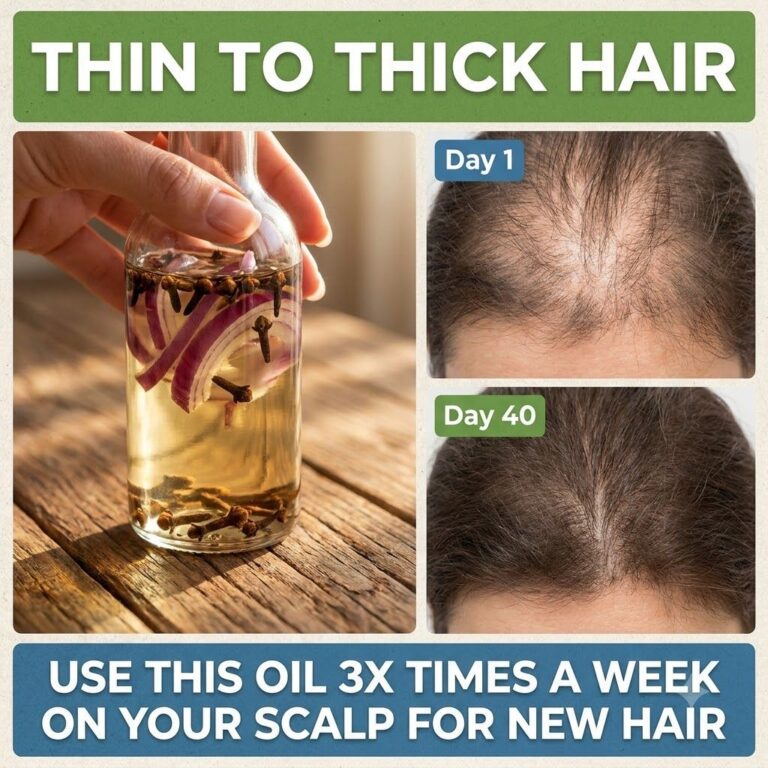
Your Practical Guide to Homemade Onion-Infused Oil
Making your own onion-infused oil is surprisingly simple and allows you to control the ingredients. Here’s a basic recipe:
Ingredients:
- 1-2 medium-sized red onions
- 1 cup of carrier oil (coconut oil, olive oil, or castor oil are excellent choices)
- Optional: A few drops of essential oil (rosemary, lavender, or peppermint) to mask the onion scent and add extra benefits.
Equipment:
- Blender or grater
- Fine mesh strainer or cheesecloth
- Glass jar with a lid
Instructions:
- Prepare the Onions: Peel and roughly chop the onions. You can also grate them. The goal is to get as much onion surface area as possible to extract its properties.
- Blend (Optional): For a stronger infusion, you can blend the chopped onions into a fine paste.
- Combine: In a clean, dry glass jar, combine the onion pieces (or paste) with your chosen carrier oil.
- Infuse: There are two main methods for infusion:
- Cold Infusion (Gentle): Seal the jar tightly and place it in a cool, dark place for 1-2 weeks, shaking it gently every day or two. This preserves more nutrients.
- Heat Infusion (Faster): Place the jar (without a lid) in a pot of water, creating a double boiler. Heat on low for 30-60 minutes, ensuring the oil doesn’t boil. This speeds up the infusion process.
- Strain: After the infusion period, strain the oil through a fine-mesh strainer or several layers of cheesecloth into another clean glass jar. Squeeze out as much oil as possible from the onion pulp.
- Add Essential Oils (Optional): Once the oil has cooled (if using heat infusion), you can add a few drops of your chosen essential oil to improve the aroma.
- Store: Store your homemade onion oil in an airtight glass container in a cool, dark place.
How to Use Your Onion Oil:

- Application: Section your hair and apply the oil directly to your scalp using your fingertips. Gently massage it in circular motions for 5-10 minutes to stimulate blood flow.
- Distribution: You can also lightly apply it to the lengths of your hair if desired, especially if your hair is dry or brittle.
- Leave-in Time: Leave the oil on for at least 30 minutes to an hour. For deeper conditioning, you can leave it overnight (cover your pillow with a towel).
- Rinse: Wash your hair thoroughly with a mild shampoo, ensuring all the oil is removed. You might need to shampoo twice.
- Frequency: For best results, use the onion oil 1-2 times a week. Consistency is key!
Beginner Tips:
- Patch Test: Always perform a patch test on a small area of your skin (like behind your ear) before applying to your entire scalp to check for any reactions.
- Manage the Scent: While essential oils help, some residual onion scent might linger. Using a fragrant shampoo and conditioner can help. Air drying your hair can also minimize the smell compared to blow-drying.
- Patience: Natural remedies take time. Don’t expect immediate overnight results. Consistent use over several weeks to months is usually needed to observe noticeable changes.
Safety & Precautions
While natural remedies are often gentle, it’s crucial to use them wisely and be aware of potential sensitivities:
- Skin Sensitivity: Some individuals may be sensitive to raw onion. Always do a patch test first. If you experience itching, redness, or discomfort, discontinue use.
- Allergies: If you have a known allergy to onions or any of the carrier oils (e.g., coconut oil), avoid using this remedy.
- Odor: The characteristic smell of onions can be strong. Ensure good ventilation when preparing and using the oil, and be prepared for the scent to linger slightly until thoroughly washed out.
- Existing Medical Conditions: If you have any scalp conditions (e.g., eczema, psoriasis, severe dandruff) or are experiencing significant hair loss, consult a healthcare professional or dermatologist before trying new remedies. They can provide a proper diagnosis and recommend the most suitable treatment.
- Pregnancy & Breastfeeding: If you are pregnant or breastfeeding, it’s always wise to consult your doctor before introducing new natural remedies into your routine.
Key Takeaways for Healthier Hair
- Onion-infused oil is a traditional remedy gaining popularity for natural hair health.
- Its benefits are often attributed to sulfur, antioxidants, and potential antimicrobial properties.
- Making your own onion oil at home is simple with common kitchen ingredients.
- Consistent, gentle application to the scalp is key for potential benefits.
- Always perform a patch test and be mindful of individual sensitivities and the strong onion scent.
- Natural solutions require patience; integrate onion oil into a holistic hair care routine for best results.
FAQ: Your Questions About Onion Oil for Hair Answered
Q1: How long does it take to see results from using onion oil for hair growth?
A: Like most natural remedies, patience is key. While some might notice improvements in scalp health or reduced hair fall within a few weeks, visible hair growth or significant thickening typically takes consistent use over 2-3 months or more. Individual results can vary widely.
Q2: Can onion oil cause hair loss?
A: When used correctly and diluted in a carrier oil, onion oil is generally not expected to cause hair loss. However, if you experience an allergic reaction, irritation, or apply highly concentrated onion juice directly to the scalp without dilution, it could potentially cause scalp inflammation or exacerbate existing issues. Always do a patch test!
Q3: How do I get rid of the onion smell from my hair?
A: The onion scent can be persistent. Using a good quality, fragrant shampoo (perhaps twice) is often effective. Adding a few drops of essential oils like rosemary, lavender, or peppermint to your homemade onion oil can also help mask the scent. Rinsing with diluted apple cider vinegar after shampooing can also neutralize odors.
Q4: Can I use onion juice directly on my scalp instead of oil?
A: While some traditional remedies use fresh onion juice, it’s generally more potent and can be irritating for sensitive scalps. Diluting it with water or mixing it with aloe vera gel is often recommended. For ease of use, reduced irritation, and conditioning benefits, infusing it into a carrier oil is often preferred by many.
Q5: Is onion oil suitable for all hair types?
A: Onion oil can generally be used on most hair types. However, individuals with very oily hair might find it too heavy, while those with dry or brittle hair may benefit more from its conditioning properties. Always observe how your hair and scalp respond and adjust usage accordingly.
Related Reading: Explore More Natural Wellness for Your Hair and Body
- The Benefits of Rosemary Essential Oil for Scalp Health
- Nourishing Your Hair from Within: Essential Vitamins and Minerals
- DIY Hair Masks for Every Hair Concern
- Understanding Scalp Health: The Foundation of Beautiful Hair
- Anti-Inflammatory Foods for Overall Wellness