Chia seeds have earned their reputation as a powerhouse superfood, packed with fiber, omega-3 fatty acids, and essential minerals. They can be a fantastic addition to almost any diet, supporting everything from digestion to heart health. However, if your chia seed creations aren’t quite living up to their superfood potential, you might be making one of these common mistakes.
Many people unknowingly sabotage the benefits and enjoyment of chia seeds through simple preparation and usage errors. But don’t worry – these blunders are easy to fix! By understanding the common pitfalls and learning straightforward solutions, you can truly unlock the full nutritional benefits and delicious versatility of chia seeds. Get ready to supercharge your health!
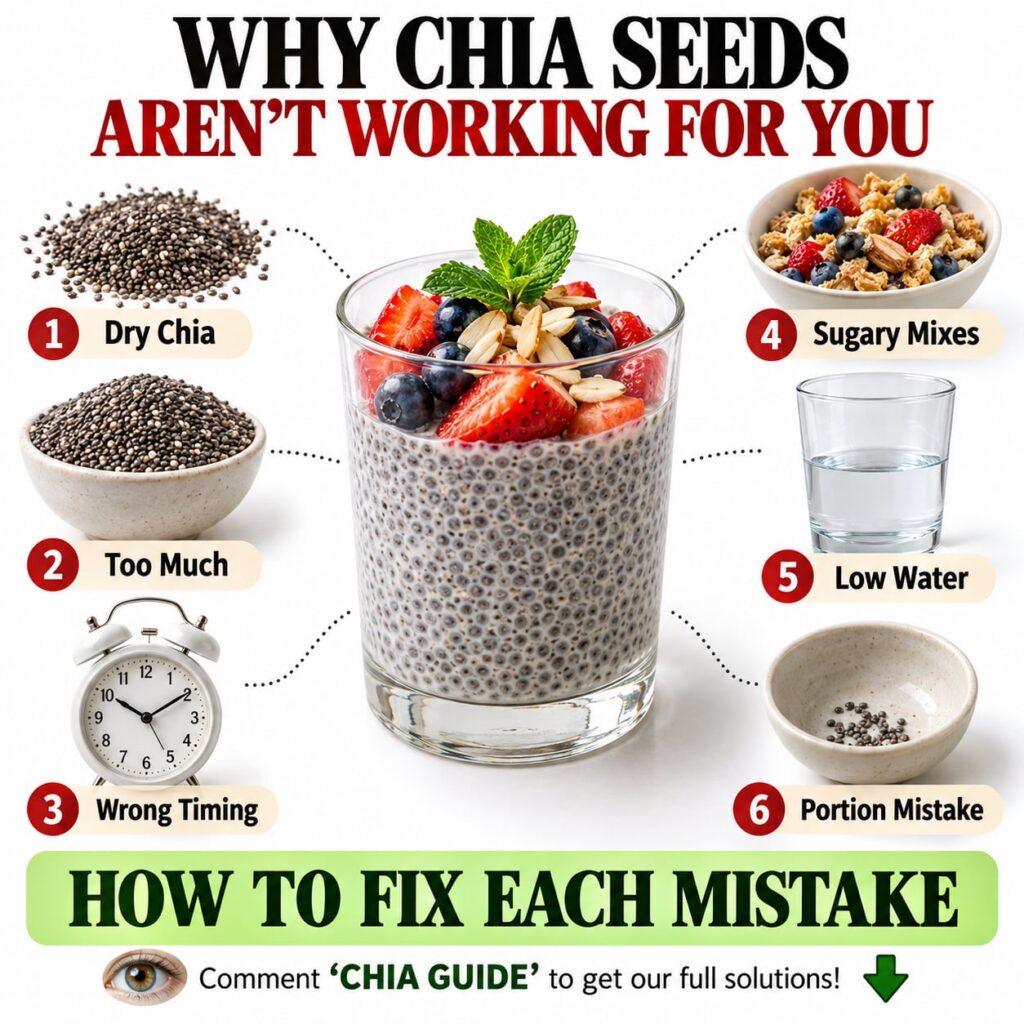
Mistake #1: Not Soaking Chia Seeds Properly
One of the most frequent errors is consuming chia seeds dry or not allowing them enough time to hydrate. While you can eat them dry (sprinkled on salads, for example), you miss out on their incredible gelling properties and potential digestive benefits when they’re not fully hydrated.
The Fix: Let Them Bloom
Chia seeds are hydrophilic, meaning they absorb liquid and form a gelatinous coating (mucilage). Soaking them properly helps with digestion, makes nutrients more bioavailable, and creates that beloved pudding-like texture. Aim for at least 15-20 minutes, or ideally, overnight in the refrigerator for best results.
- Basic Ratio: Combine 2 tablespoons of chia seeds with 1/2 to 3/4 cup of liquid (water, milk, plant-based milk).
- Stir Well: Stir thoroughly immediately after combining to prevent clumping. Stir again after 5 minutes.
Mistake #2: Using Too Little (or Too Much) Liquid
The right liquid-to-seed ratio is crucial for achieving the perfect texture. Too little liquid results in a dry, clumpy, or paste-like consistency, making them less palatable and harder to digest. Too much liquid, on the other hand, leaves you with a watery, unappealing mixture.
The Fix: Master the Ratio
Experimentation is key, but a good starting point is 1 part chia seeds to 4-6 parts liquid. For a thicker pudding, use less liquid; for a thinner, more drinkable consistency, use more.
- For Pudding: Start with 2 tablespoons of chia seeds to 1/2 cup (120ml) of liquid.
- For Thinner Consistency (e.g., for smoothies): Use 1-2 tablespoons of chia seeds per 1 cup (240ml) of liquid.
- Adjust: After soaking for 15-20 minutes, if it’s too thick, add a splash more liquid. If too thin, add a teaspoon more seeds and wait a few more minutes.
Mistake #3: Overlooking Flavor & Texture Enhancements
Many people try plain chia pudding once and declare it bland or unappetizing. While chia seeds themselves have a mild, nutty flavor, they truly shine when paired with other ingredients that elevate their taste and enhance their texture.
The Fix: Get Creative with Add-ins
Think of chia seeds as a blank canvas! They readily absorb the flavors around them. Don’t be afraid to experiment to create delicious and healthy treats.
- Sweeteners: A drizzle of honey, maple syrup, agave, or a few drops of stevia.
- Fruits: Fresh berries, sliced banana, mango, peaches, or pureed fruit like apple sauce.
- Spices: Cinnamon, nutmeg, vanilla extract, or a pinch of cardamom.
- Creaminess: A spoonful of yogurt, nut butter, or unsweetened cocoa powder for a chocolatey twist.
- Crunch: Top with nuts, seeds (flax, pumpkin), granola, or shredded coconut for added texture.
Mistake #4: Not Incorporating Them Creatively into Your Diet
Limiting chia seeds solely to puddings is a common mistake. Their versatility extends far beyond a breakfast bowl, and exploring different ways to use them can help you consistently reap their benefits.
The Fix: Expand Your Chia Horizons
Think beyond just breakfast! Chia seeds can be a fantastic addition to various meals and snacks throughout your day.
- Smoothie Booster: Add a tablespoon to your morning smoothie for extra fiber and thickness.
- Yogurt & Oatmeal Topping: Sprinkle dry or pre-soaked chia seeds over yogurt, hot oatmeal, or cold cereal.
- Baking Ingredient: Use as an egg substitute (1 tbsp chia seeds + 3 tbsp water = 1 egg after 5 mins) in vegan baking, or add to muffins, breads, and cookies for added nutrition.
- Salad Enhancer: Sprinkle dry chia seeds on salads for a subtle crunch and nutritional boost.
- Thickener: Use to thicken sauces, dressings, or jams.
Mistake #5: Improper Storage of Chia Seeds
Like many whole foods, chia seeds are susceptible to degradation if not stored correctly. Exposure to air, light, and heat can cause the healthy fats (especially omega-3s) to go rancid, altering their flavor and reducing their nutritional value.
The Fix: Keep Them Fresh
Proper storage is essential to maintain the freshness, potency, and flavor of your chia seeds.
- Airtight Container: Always store chia seeds in a sealed, airtight container.
- Cool, Dark Place: A pantry or cupboard away from direct sunlight and heat is ideal.
- Refrigeration: For extended freshness, especially in warmer climates or if buying in bulk, consider storing them in the refrigerator. This is particularly important for ground chia seeds, which have a larger surface area exposed to air.
Final Thoughts
By sidestepping these common chia seed mistakes, you’re not just improving your preparation; you’re ensuring you get the most out of every tiny seed. Embrace these simple fixes, and you’ll find chia seeds to be an even more indispensable part of your healthy eating journey, delivering a wealth of nutrients and delicious possibilities. Happy soaking!