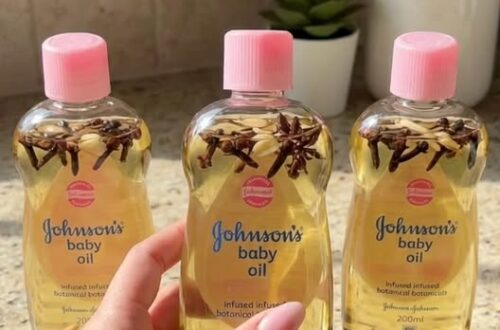
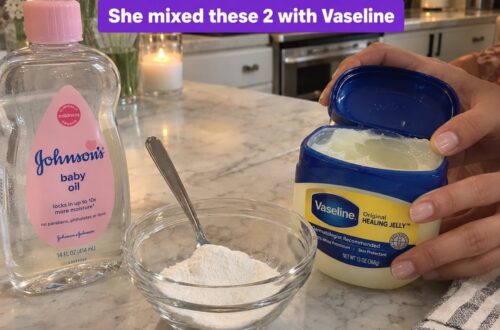
You’ve likely seen the viral trend suggesting a mix of Vaseline and lime juice can magically erase dark spots. While the internet is full of enticing DIY hacks, this particular combination is not only ineffective but can severely damage your skin, potentially worsening hyperpigmentation. Let’s dive into why this viral hack is dangerous and explore truly safe ways to achieve a clearer, more even complexion.
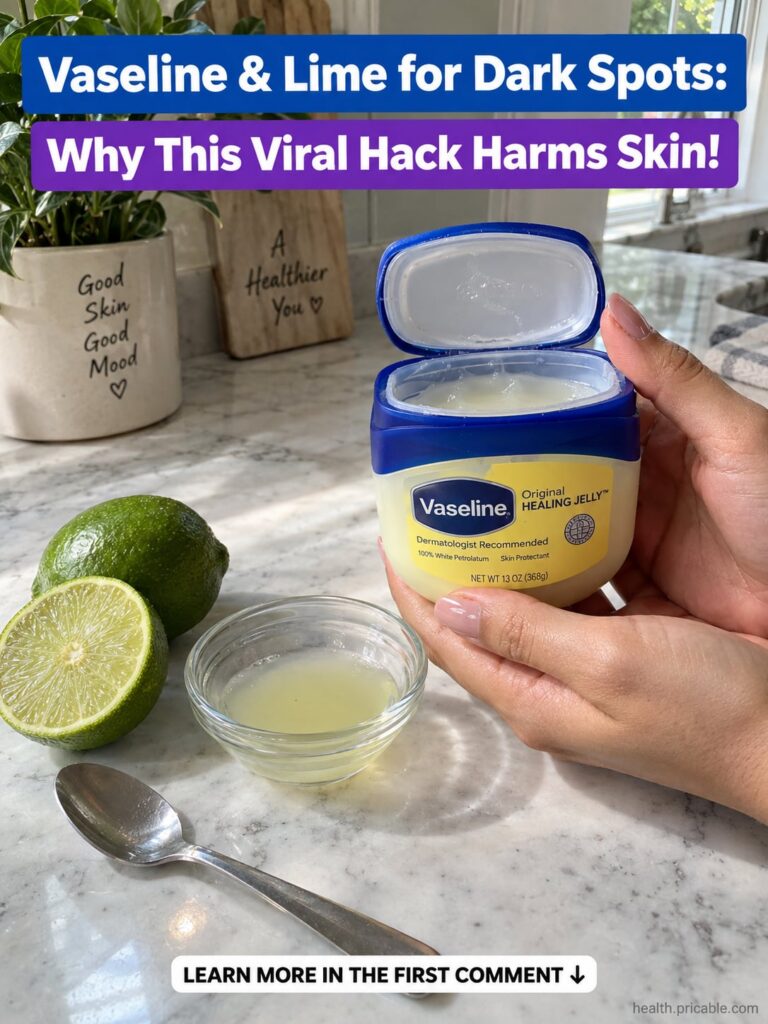
Quick Look Why This Hack Harms Skin
Why Avoid: This DIY mix contains ingredients that are highly irritating and phototoxic to the skin, especially when exposed to sunlight.
Main Risks:
- Severe skin irritation and inflammation
- Phytophotodermatitis (a chemical burn-like reaction)
- Worsening of hyperpigmentation and darker spots
- Potential for permanent scarring or discolouration
- Compromised skin barrier function
Instead Try: Consult a dermatologist for professional advice and explore proven ingredients like Vitamin C, Niacinamide, Alpha Arbutin, or gentle retinoids, always paired with diligent sun protection.
The Dangerous Ingredients Explained
The viral hack typically involves applying a mixture containing Vaseline and lime juice directly to the skin to target dark spots. Each component carries significant risks when used in this manner.
Lime Juice
Lime, like other citrus fruits such as lemon and grapefruit, contains compounds called furocoumarins. When these compounds come into contact with skin and are then exposed to ultraviolet (UV) light (from the sun or tanning beds), they cause a severe reaction known as phytophotodermatitis. This reaction can manifest as:
- Redness, blistering, and swelling, similar to a chemical burn.
- Intense itching or burning sensations.
- Severe, long-lasting hyperpigmentation that is often much darker and harder to treat than the original dark spots.
- In some cases, permanent scarring.
Using lime juice on your skin for dark spots is essentially inviting a skin injury that will likely result in even worse, more stubborn dark marks.
Vaseline (Petroleum Jelly)
While Vaseline is excellent for creating an occlusive barrier to lock in moisture and aid healing (like on dry, chapped lips or minor cuts), its role in this ‘hack’ is problematic. When mixed with an irritant like lime juice, Vaseline can trap these harmful compounds against the skin, intensifying their damaging effects and preventing them from evaporating or being easily washed away. This can exacerbate irritation and the phototoxic reaction.
Why This Combination is a Bad Idea
The core issue is the interaction between phototoxic lime juice and the occlusive nature of Vaseline. Instead of ‘drawing out’ dark spots, the mixture acts as a potent irritant that, when exposed to sunlight, causes a severe inflammatory response. This inflammation is a primary trigger for post-inflammatory hyperpigmentation (PIH), which is precisely what you are trying to avoid.
Understanding Dark Spots and Hyperpigmentation
Dark spots, or hyperpigmentation, are common skin concerns caused by an overproduction of melanin. This can result from sun exposure, hormonal changes (like melasma), inflammation (post-inflammatory hyperpigmentation from acne or injury), or certain medications. Treating hyperpigmentation effectively requires patience, consistency, and safe, science-backed ingredients, not harsh DIY remedies.
Safe Alternatives for Addressing Dark Spots
Instead of risky DIY methods, opt for proven ingredients and professional guidance to safely and effectively reduce the appearance of dark spots:
- Consistent Sun Protection: This is the most crucial step. Use a broad-spectrum sunscreen with SPF 30 or higher daily, rain or shine, and reapply every two hours when outdoors. Wear hats and seek shade.
- Vitamin C: A powerful antioxidant that brightens skin, inhibits melanin production, and protects against free radical damage. Look for serums with L-ascorbic acid.
- Niacinamide (Vitamin B3): Helps reduce the transfer of melanin to skin cells, improves skin barrier function, and calms inflammation.
- Alpha Arbutin or Kojic Acid: These ingredients help inhibit tyrosinase, an enzyme involved in melanin production, leading to a reduction in dark spots.
- AHAs (Alpha Hydroxy Acids): Glycolic acid and lactic acid gently exfoliate the skin, helping to shed pigmented cells and reveal brighter skin underneath. Use with caution and always with sun protection.
- Retinoids (Retinol, Tretinoin): These Vitamin A derivatives increase cell turnover and help fade dark spots. Start with lower concentrations and use them at night, as they can increase sun sensitivity. Prescription retinoids (like Tretinoin) are stronger and require dermatologist supervision.
- Professional Treatments: For stubborn dark spots, consider treatments like chemical peels, laser therapy, or microdermabrasion performed by a qualified dermatologist or aesthetician.

How Often to Treat Dark Spots Safely
Safe and effective treatment for dark spots is a long-term commitment. It requires consistent daily use of targeted ingredients and, most importantly, daily, year-round sun protection. Results are typically seen over several weeks to months, not instantly.
What Results to Expect
With consistent use of safe, evidence-backed ingredients and diligent sun protection, you can expect to see a gradual lightening of dark spots, a more even-looking skin tone, and an overall brighter complexion. Patience is key, as fading hyperpigmentation takes time.
Safety Notes
- Never use citrus juices (like lime or lemon) on your skin: Especially not before sun exposure. The risk of severe burns and worsening hyperpigmentation is extremely high.
- Patch test all new products: Even safe ingredients can cause individual reactions. Apply a small amount to an inconspicuous area (like behind the ear or inner arm) and wait 24-48 hours.
- Introduce new actives slowly: Especially retinoids or AHAs. Start with a few times a week and gradually increase frequency.
- Always use sunscreen: When treating dark spots, your skin can become more sensitive to the sun. Daily SPF is non-negotiable.
- Consult a professional: For persistent or severe hyperpigmentation, always seek advice from a dermatologist. They can provide an accurate diagnosis and recommend the most effective and safest treatment plan for your skin type.
- Stop using if discomfort occurs: If you experience redness, itching, burning, or increased sensitivity, discontinue use immediately.

FAQ
Can any citrus fruit be used on skin for brightening?
No. All citrus fruits contain phototoxic compounds that can cause severe skin reactions (phytophotodermatitis) when exposed to sunlight, leading to burns and worsening hyperpigmentation. It is best to avoid applying any citrus juice directly to your skin.
Is Vaseline bad for skin in general?
No, Vaseline (petroleum jelly) is generally safe and beneficial for creating an occlusive barrier, locking in moisture, and protecting compromised skin. The danger arises when it’s mixed with irritating or phototoxic ingredients, as it can trap these harmful substances against the skin, intensifying their negative effects.
How long does it take to see results from safe dark spot treatments?
Fading dark spots safely takes time and consistency. You typically need to use targeted products for several weeks to months to see noticeable improvements. Patience and diligent sun protection are crucial for success.
Final Thoughts
While the allure of a quick fix for dark spots is strong, the viral Vaseline and lime hack is a dangerous myth that can cause serious, long-term harm to your skin. Protecting your skin from damage and treating hyperpigmentation effectively means relying on science-backed ingredients, consistent sun protection, and professional guidance. Prioritize your skin’s health by choosing safe, proven methods, and always be wary of viral DIY trends that sound too good to be true. Share this article to help spread awareness and keep others safe!