Most people overlook the humble plant often found thriving in their own backyards, dismissing it as just another weed. Yet, this unassuming green often holds a powerful secret that traditional herbalists have valued for centuries. We’re talking about Common Cheese Mallow (Malva neglecta) – a readily available botanical gem with a surprising array of soothing properties.
It’s time to stop pulling this plant and start understanding its potential as a natural remedy. One small preparation mistake, however, can ruin the whole batch, so pay close attention to the details that follow.
What It Is: Common Cheese Mallow Explained
Common Cheese Mallow, also known as dwarf mallow or roundleaf mallow, is a widespread annual or biennial plant belonging to the Mallow family (Malvaceae). It’s easily identified by its distinctive round, scalloped leaves that resemble miniature cheese wheels, and its small, pale lavender to white flowers. This resilient plant is incredibly common, often found in disturbed soils, gardens, fields, and along roadsides, making it one of the most accessible natural remedies for many.
Traditionally, cheese mallow has been valued for its mucilaginous content, which gives it a soothing, demulcent quality. This makes it particularly useful in preparations aimed at calming irritated tissues internally and externally.
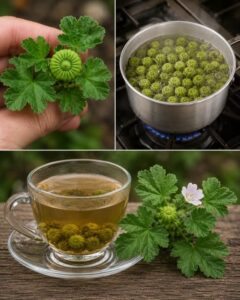
The Remedy: Cheese Mallow Herbal Infusion
The most common and effective way to harness the benefits of Common Cheese Mallow is through a simple herbal infusion. This method extracts the beneficial compounds, particularly the soothing mucilage, into a palatable drink.
Ingredients
- 1-2 tablespoons fresh or 1 tablespoon dried Common Cheese Mallow leaves and flowers
- 1 cup boiling water
- Optional: Honey or lemon to taste
Approximate Measurements
For a standard 8 oz (240ml) cup of infusion:
- Fresh Leaves & Flowers: Approximately 15-20 small leaves and a handful of flowers.
- Dried Leaves & Flowers: Roughly 1 tablespoon, lightly packed.
Formula / Recipe
This recipe focuses on creating a soothing herbal tea, perfect for internal use.
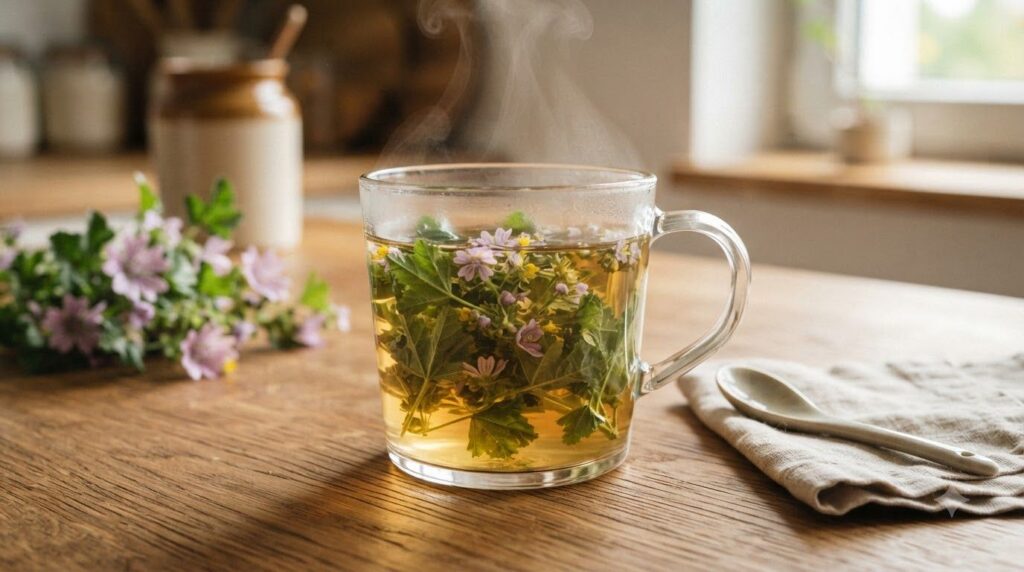
Step-by-Step Method
- Harvest/Prepare Mallow: If using fresh mallow, rinse the leaves and flowers thoroughly under cool water to remove any dirt or insects. Chop them roughly to help release their compounds. If using dried, simply measure out your tablespoon.
- Heat Water: Bring 1 cup of fresh water to a rolling boil.
- Combine: Place the fresh or dried mallow material into a heat-safe mug or teapot.
- Pour Water: Pour the boiling water directly over the mallow.
- Steep: Cover the mug to retain heat and volatile oils. Let it steep for 10-15 minutes. For a stronger infusion, you can steep for up to 20 minutes, but avoid over-steeping as it can sometimes lead to a slightly bitter taste.
- Strain: Strain the infusion through a fine-mesh sieve or tea strainer into another cup, discarding the plant material.
- Serve: Allow to cool slightly before drinking. Add honey or lemon if desired for taste.
How to Use
The Cheese Mallow Herbal Infusion is primarily used internally. Its soothing properties are traditionally valued for:
- Calming an irritated throat or cough.
- Supporting digestive comfort.
- General wellness support due to its mild, gentle nature.
You can also use a cooled infusion as a soothing external rinse for minor skin irritations, but this article focuses on the internal remedy.
How Often to Use
For general soothing and wellness, one cup of Cheese Mallow Herbal Infusion 1-2 times daily is common. For more acute, temporary discomforts like a sore throat, you may increase to 3 times a day for a few days. Always listen to your body and discontinue use if any adverse reactions occur.
Quick Tip: The mucilage in mallow can make the infusion slightly thick or ‘slippery’ in texture. This is normal and a sign of its soothing properties!
How to Choose & Buy Ingredients
The best way to obtain Cheese Mallow is often by foraging. It’s incredibly common, but responsible and safe foraging practices are essential.
- Identification: Be 100% sure of your identification. Use a reliable plant identification guide.
- Location: Forage only from areas you know are free from pesticides, herbicides, and pollution (e.g., away from busy roads, industrial sites, or conventional farm fields).
- Timing: Harvest leaves and flowers when the plant is healthy and vibrant, typically from spring through fall. The younger leaves are often preferred for a milder taste.
If foraging isn’t an option, dried Common Mallow (often labeled Malva sylvestris or common mallow, which has similar properties) can sometimes be purchased from reputable herbal suppliers.
Fresh vs. Dried Mallow
Understanding the differences between fresh and dried mallow can help you choose the right approach for your infusion.
| Feature | Fresh Common Cheese Mallow | Dried Common Cheese Mallow |
|---|---|---|
| Availability | Seasonal (spring-fall), forageable | Year-round, purchased |
| Potency | Typically higher in fresh mucilage | Concentrated, but some volatile compounds may diminish |
| Preparation | Requires rinsing, chopping | Ready to use |
| Storage | Perishable, use immediately or dry | Longer shelf life (1-2 years) |
| Flavor | Milder, sometimes slightly grassy | Can be slightly earthier |
Storage
- Fresh Mallow: Use fresh leaves and flowers immediately after harvesting for the best potency. If you must store them briefly, wrap them loosely in a damp paper towel and place them in an open plastic bag in the refrigerator for no more than 1-2 days.
- Dried Mallow: Store dried mallow in an airtight container, away from direct sunlight and heat. A cool, dark pantry is ideal. It will retain potency for 1-2 years.
- Infusion: The prepared infusion is best consumed fresh. If you have leftovers, store them in a sealed container in the refrigerator for up to 24 hours. Reheat gently, but avoid boiling as this can alter the mucilage.
Practical Tips
- Start Small: If you’re new to foraging or herbal remedies, start with a small amount of mallow to ensure you respond well to it.
- Gentle Harvesting: When harvesting, take only what you need and leave plenty for the plant to continue growing and for local wildlife.
- Consider a Cold Infusion: For maximum mucilage extraction, some herbalists prefer a cold infusion. Place mallow in cold water and let it sit for several hours or overnight in the refrigerator before straining. This can produce a thicker, more demulcent liquid.
Did You Know? The name ‘mallow’ comes from the Greek ‘malakhē’, meaning ‘to soften’, referring to its mucilaginous properties.
Common Mistakes
- Misidentification: This is the most crucial mistake. Always be absolutely certain you have correctly identified Common Cheese Mallow. If in doubt, do not consume it.
- Using Contaminated Plants: Harvesting from areas treated with chemicals or near heavy pollution can introduce toxins into your remedy.
- Boiling Mallow: While some herbs benefit from decoction (boiling), mallow’s mucilage can be degraded by prolonged high heat, reducing its soothing properties. Infusion (steeping in hot, not boiling, water) is preferred.
- Over-Steeping: While beneficial for extraction, leaving mallow to steep for too long (e.g., several hours) can sometimes result in a slimier texture or a stronger, less pleasant taste.
- Improper Storage: Storing fresh mallow incorrectly can lead to spoilage, while dried mallow loses potency if exposed to light and air.
Cautions / Who Should Avoid It
Common Cheese Mallow is generally considered safe for most people when consumed in moderate amounts. However, certain precautions apply:
- Allergies: If you have allergies to other plants in the Malvaceae family (like hibiscus or okra), exercise caution.
- Medication Absorption: Due to its mucilage content, mallow may theoretically interfere with the absorption of certain medications if taken at the same time. It’s advisable to take mallow infusion at least one hour before or two hours after medications.
- Pregnancy & Breastfeeding: While no significant adverse effects are known, always consult with a healthcare professional before using any herbal remedies if pregnant or breastfeeding.
- Children: Mallow is considered very gentle, but always consult a pediatrician before administering herbal remedies to young children.
Quick Summary
- Best Preparation: Herbal Infusion (steeped, not boiled).
- Best Use-Case: Soothing irritated mucous membranes (throat, digestive tract).
- Storage: Fresh for 1-2 days refrigerated; Dried for 1-2 years airtight, cool, dark; Infusion for 24 hours refrigerated.
- When to Use: 1-3 times daily for soothing support.
- What to Avoid: Misidentification, foraging from polluted areas, boiling the herb, concurrent use with medications.
FAQ
Q1: Can I use fresh or dried Common Cheese Mallow for the infusion?
A: Yes, both fresh and dried leaves and flowers can be used. Adjust quantities as per the recipe (more fresh, less dried).
Q2: How long does the Cheese Mallow Infusion last?
A: The prepared infusion is best consumed fresh but can be stored in the refrigerator for up to 24 hours.
Q3: Can I refrigerate fresh Mallow leaves?
A: You can refrigerate fresh leaves wrapped in a damp paper towel in a plastic bag for 1-2 days, but it’s best to use them immediately after harvesting.
Q4: How often should I use the infusion?
A: For general wellness, 1-2 times daily. For temporary discomforts, up to 3 times daily for a few days.
Q5: What part of the Common Cheese Mallow plant is best to use?
A: The leaves and flowers are primarily used for infusions, but the root can also be used in some preparations, though less commonly for tea.
Q6: Can I reuse the mallow leaves for another infusion?
A: It’s generally not recommended. Most of the beneficial compounds are extracted during the first steep, and a second brew will be significantly weaker.
Q7: When should I avoid using Common Cheese Mallow?
A: Avoid if you have known allergies to mallow or related plants. Also, take it separately from medications to prevent potential absorption interference. Consult a doctor if pregnant, breastfeeding, or on medication.
Q8: Is Common Cheese Mallow suitable for children?
A: While considered very mild, always consult a pediatrician before giving any herbal remedies to children.
You may also like: Understanding the Benefits of Herbal Teas
Conclusion
Common Cheese Mallow is a testament to the hidden wonders in our own backyards. By understanding how to identify, harvest, and prepare this gentle plant, you can unlock a simple, natural remedy for soothing various discomforts. Remember, careful identification and responsible harvesting are key to safely utilizing this humble yet powerful herb. Embrace the accessible healing growing right under your nose!
Read more: A Beginner’s Guide to Safe Foraging