Potato Perfection: A Look at Your Favorite Dishes
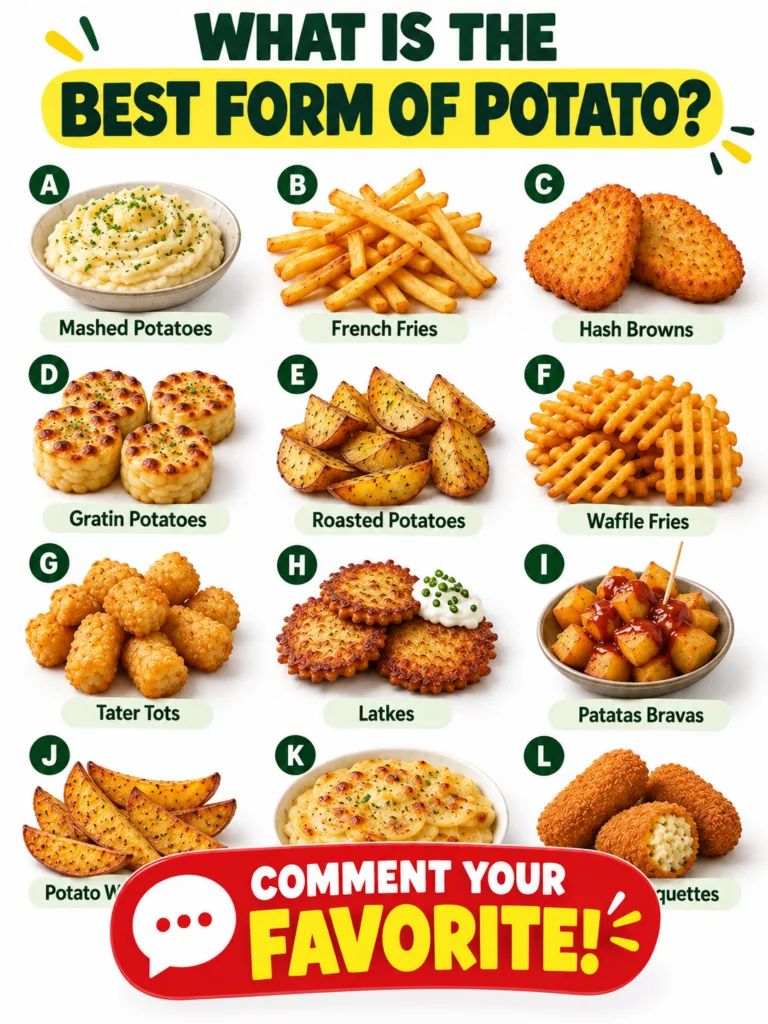
Potatoes are a beloved staple across the globe, cherished for their versatility and comforting flavor. From the creamy smoothness of mashed potatoes to the crispy satisfaction of French fries, these humble tubers appear in countless forms on our plates. But with so many delicious options, have you ever stopped to consider how different preparations impact their nutritional profile?
In this article, we’ll explore some of the most popular potato dishes, break down their typical nutritional content, and share practical tips for enjoying your favorites in a healthier way. Get ready to learn how your pick can fit into a balanced diet!
The Nutritional Core of a Potato
Before diving into specific dishes, let’s remember that a plain potato itself is quite nutritious. A medium-sized potato (with skin) offers a good source of:
- Potassium: Essential for blood pressure and fluid balance.
- Vitamin C: An antioxidant that supports immune health.
- Vitamin B6: Important for brain development and nerve function.
- Fiber: Especially in the skin, aiding digestion and promoting fullness.
- Complex Carbohydrates: Providing sustained energy.
However, the journey from a raw potato to a finished dish often involves added fats, salts, and other ingredients that can significantly alter its health benefits.
Popular Potato Dishes: A Nutritional Breakdown
Let’s take a closer look at some of the most common potato preparations and what they bring to the table nutritionally.
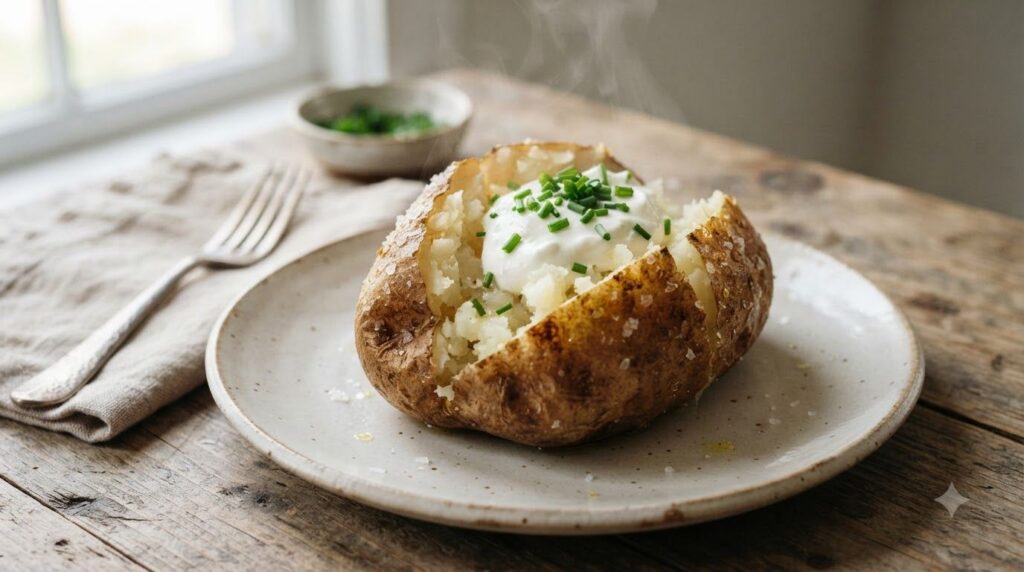
Baked Potato
The baked potato is often considered one of the healthiest options because it retains most of its original nutrients, especially if eaten with the skin. Its preparation usually involves minimal added fat unless topped generously.
- Typical Prep: Baked whole in the oven.
- Nutritional Snapshot: Moderate calories, good fiber (with skin), high potassium, and vitamin C.
- Healthier Twist: Top with Greek yogurt, salsa, chives, or steamed veggies instead of butter, sour cream, and cheese.
Boiled Potatoes
Boiling is another simple cooking method that keeps potatoes relatively low in calories and fat, provided you don’t add excessive butter or cream afterward. Boiling can cause some water-soluble vitamins (like Vitamin C and B vitamins) to leach into the water, but many nutrients remain.
- Typical Prep: Cooked in boiling water until tender.
- Nutritional Snapshot: Low in fat, moderate calories, retains most minerals and fiber (if skin is kept).
- Healthier Twist: Add fresh herbs like dill or parsley, a splash of olive oil, and a squeeze of lemon juice for flavor.
Mashed Potatoes
A classic comfort food, mashed potatoes can range from light and fluffy to rich and decadent, depending on the ingredients used. The additions are key to its nutritional profile.
- Typical Prep: Boiled potatoes mashed with butter, milk or cream, and salt.
- Nutritional Snapshot: Can be high in calories and saturated fat due to butter and cream.
- Healthier Twist: Use skim milk, vegetable broth, or unsweetened almond milk for mashing. Incorporate roasted garlic or cauliflower for added flavor and nutrients. Swap butter for a small amount of olive oil or Greek yogurt.
Roasted Potatoes
Roasting provides a delightful crispy exterior and tender interior. The amount and type of oil used heavily influence the dish’s fat content.
- Typical Prep: Cut potatoes tossed with oil, salt, and herbs, then baked until golden.
- Nutritional Snapshot: Calories and fat depend on the amount of oil. Can be healthier with minimal healthy oils.
- Healthier Twist: Use a light mist of olive oil or avocado oil. Roast with plenty of herbs like rosemary and thyme, and add other vegetables like bell peppers or onions to the pan.
French Fries & Waffle Fries
These crispy delights are a global favorite but are typically among the least healthy potato preparations due to deep-frying.
- Typical Prep: Potatoes cut into strips or waffle shapes, deep-fried in oil.
- Nutritional Snapshot: Very high in calories and unhealthy fats (trans fats if hydrogenated oils are used), high sodium.
- Healthier Twist: Make homemade fries in an air fryer or oven with minimal healthy oil. Season with herbs and spices instead of just salt. Consider using sweet potatoes for a different flavor profile and added nutrients like Vitamin A.

Potato Salad
Often a picnic favorite, potato salad’s nutritional value largely depends on the dressing.
- Typical Prep: Boiled potatoes mixed with mayonnaise, mustard, celery, onions, and seasonings.
- Nutritional Snapshot: Can be high in calories and fat due to mayonnaise-based dressings.
- Healthier Twist: Use a lighter dressing made with Greek yogurt, a small amount of olive oil, vinegar, and plenty of fresh herbs. Add extra chopped vegetables like bell peppers, radishes, or cucumbers for crunch and nutrients.
Latkes (Potato Pancakes)
These delicious crispy pancakes are traditionally fried, which adds significant fat.
- Typical Prep: Grated potatoes, onion, egg, and flour, fried in oil.
- Nutritional Snapshot: High in calories and fat from the frying process.
- Healthier Twist: Bake latkes in the oven or an air fryer instead of pan-frying. Use minimal oil on a non-stick surface.
Nutrition Comparison: At a Glance
Here’s a general comparison of common potato dishes for a typical serving size (e.g., 1 medium potato or 1 cup). Values are approximate and can vary widely based on preparation.
| Dish | Calories (approx.) | Protein (g) | Carbs (g) | Fat (g) | Fiber (g) | Main Nutrients | Best Benefit |
|---|---|---|---|---|---|---|---|
| Baked Potato (plain, with skin) | 160 | 4 | 37 | 0.2 | 4 | Potassium, Vit C, Fiber | High fiber, nutrient-dense |
| Boiled Potato (plain, with skin) | 130 | 3 | 30 | 0.2 | 3 | Potassium, Vit C | Low fat, versatile |
| Mashed Potatoes (with milk, butter) | 230 | 4 | 32 | 10 | 3 | Potassium, Vit C | Comforting, easily customizable |
| Roasted Potatoes (with oil) | 200 | 3 | 30 | 7 | 3 | Potassium, Vit C | Crispy texture, flavorful |
| French Fries (fast food) | 360 | 4 | 45 | 18 | 4 | Potassium | Indulgent treat |
| Potato Salad (mayo-based) | 300 | 4 | 30 | 20 | 3 | Potassium | Flavorful side dish |
Healthier Potato Prep Tips
Enjoying potatoes doesn’t have to mean sacrificing your healthy eating goals. Here are some actionable tips:
- Embrace Baking and Boiling: These methods add the least amount of fat and help retain nutrients.
- Keep the Skin On: The skin is packed with fiber and many vitamins and minerals. Scrub them clean and enjoy!
- Control Oil Usage: If roasting or air-frying, use just enough healthy oil (like olive or avocado) to coat lightly.
- Opt for Lighter Dressings: For potato salads, swap heavy mayonnaise with Greek yogurt, mustard, or vinaigrettes.
- Load Up on Veggies and Herbs: Enhance flavor and nutrition with fresh herbs, spices, garlic, onions, and other vegetables.
- Mind Your Toppings: Instead of loads of butter, cheese, and sour cream, try chives, salsa, cottage cheese, or a sprinkle of nutritional yeast.
- Portion Control: Even healthy dishes can contribute to excess calories if portion sizes are too large.
Practical Tips for Potato Lovers
Making healthier choices with potatoes is easier than you think:
- Air Fry Your Fries: Get that crispy texture with significantly less oil than deep-frying.
- Make Creamy Mashed Potatoes Without Cream: Use warm vegetable broth or unsweetened plant-based milk for creaminess, and a touch of roasted garlic for flavor.
- Batch Cook Boiled Potatoes: Prepare a batch at the beginning of the week for quick additions to salads, omelets, or as a simple side dish.
- Experiment with Sweet Potatoes: While not technically potatoes, sweet potatoes offer a different nutrient profile (more Vitamin A) and can be used in many of the same preparations.
FAQs About Potato Dishes
Q1: Are potatoes really bad for you?
A1: No, potatoes themselves are not bad. They are a nutrient-dense vegetable. Their healthfulness largely depends on the cooking method and what you add to them. Plain baked or boiled potatoes are quite healthy.
Q2: Is it better to eat potatoes with the skin on?
A2: Yes, the skin contains a significant amount of fiber, vitamins, and minerals. Eating potatoes with the skin on boosts their nutritional value.
Q3: What’s the healthiest way to cook potatoes?
A3: Baking, boiling, steaming, and air frying are generally the healthiest cooking methods as they require minimal to no added fats.
Q4: Can I eat potatoes if I’m trying to lose weight?
A4: Absolutely! Potatoes are filling due to their fiber and complex carbohydrates. Opt for healthier preparations like baked or boiled potatoes, watch your portion sizes, and choose light toppings.
Q5: How do sweet potatoes compare to regular potatoes nutritionally?
A5: Both are healthy! Sweet potatoes are typically higher in Vitamin A and slightly lower in calories and carbs than white potatoes, while white potatoes often have more potassium and Vitamin C. Both offer valuable nutrients.
Q6: What are some healthy topping ideas for a baked potato?
A6: Greek yogurt, cottage cheese, salsa, chives, steamed broccoli, black beans, nutritional yeast, or a light sprinkle of your favorite herbs and spices.
Conclusion
Potatoes are a wonderfully versatile and nutritious food that can absolutely be part of a healthy diet. The key lies in mindful preparation and thoughtful additions. By choosing cooking methods like baking, boiling, or roasting with minimal oil, and opting for lighter, nutrient-rich toppings, you can enjoy your favorite potato dishes without compromising your health goals.
So, go ahead and savor your spuds, but remember: the way you prepare them makes all the difference! We hope this guide inspires you to explore healthier ways to enjoy your potato perfection.
This content is for educational purposes only and should not be considered medical advice. Consult a qualified healthcare professional for personalized dietary recommendations.
Explore More Healthy Food Content:
- High Protein Vegetarian Meals
- Healthy Dinner Ideas Under 30 Minutes
- Understanding Complex Carbohydrates
- Benefits of Fiber-Rich Foods