The Shocking Truth: Viral Vaseline & Lime Hack Exposed
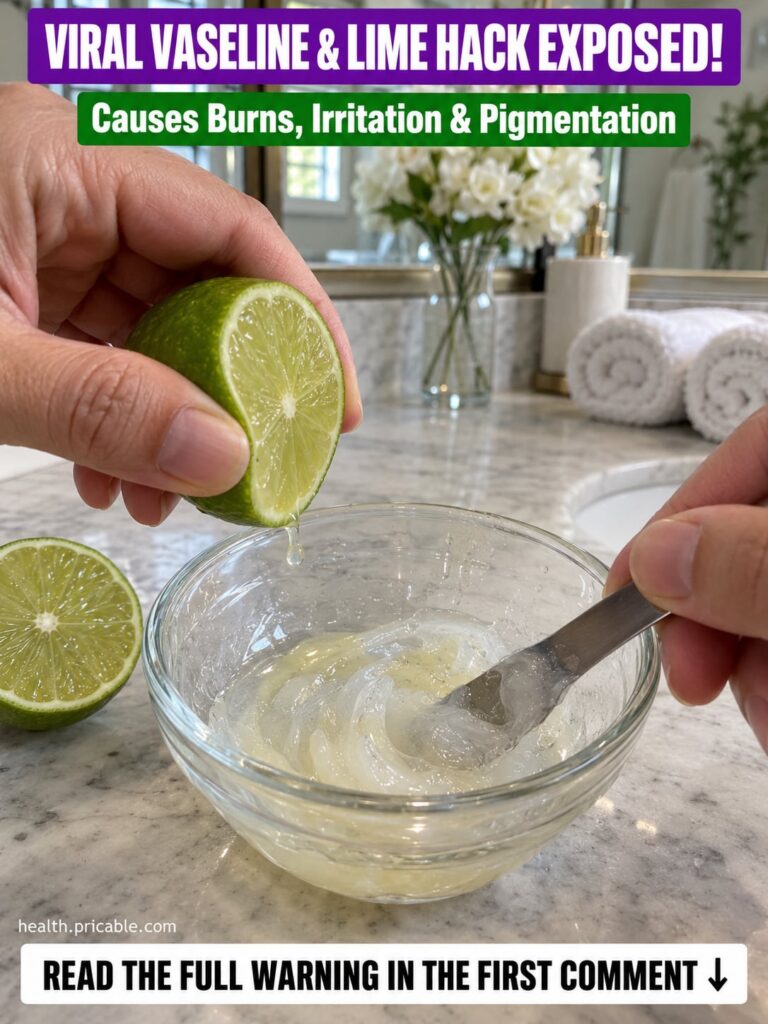
A trending DIY beauty hack involving Vaseline and lime is circulating online, promising radiant skin. However, experts reveal this popular combination can cause serious damage, including painful burns and lasting irritation.
Understanding the Viral Trend
Many social media posts suggest mixing Vaseline with fresh lime juice and applying it to the skin for a brighter, more even complexion. The idea behind this trend often focuses on lime’s supposed lightening properties and Vaseline’s moisturizing, occlusive barrier effect.
While the allure of a simple, inexpensive home remedy is strong, it’s crucial to understand the scientific truth behind these ingredients when combined and applied to delicate skin.
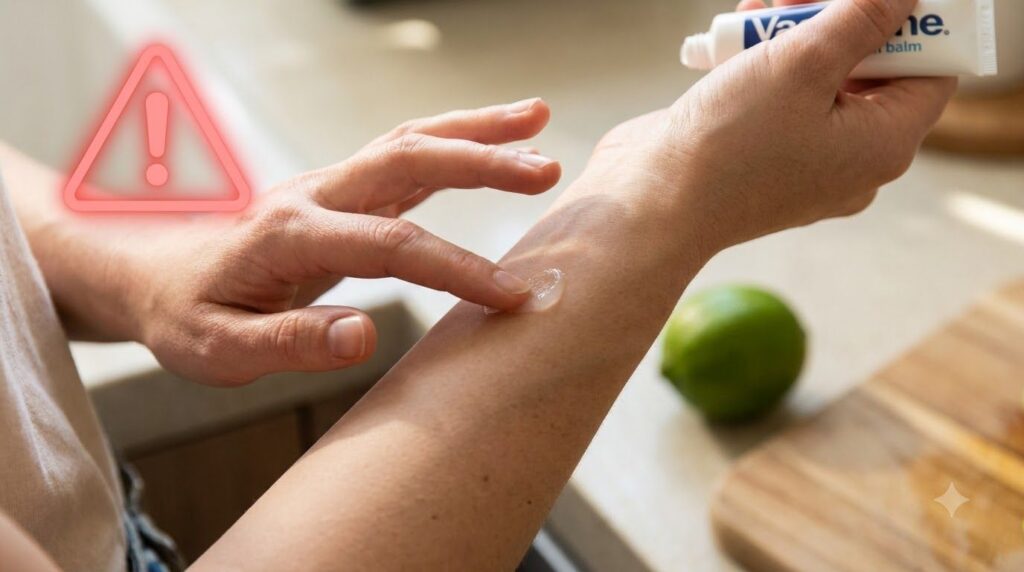
The Shocking Truth: Why Vaseline and Lime Can Be Dangerous
The combination of lime juice and Vaseline can be incredibly harmful to your skin. Here’s why this hack poses serious risks:
The Role of Lime (Citrus Phototoxicity)
Lime juice, like other citrus fruits (lemon, grapefruit, bergamot), contains compounds called furanocoumarins. When these compounds come into contact with skin and are then exposed to ultraviolet (UV) light (from the sun or tanning beds), they can cause a severe reaction known as phytophotodermatitis.
This reaction manifests as an exaggerated sunburn, leading to blistering, inflammation, and hyperpigmentation (dark spots) that can last for weeks or even months. The skin becomes highly sensitive to light, and damage can occur even on cloudy days.
The Role of Vaseline (Occlusive Nature)
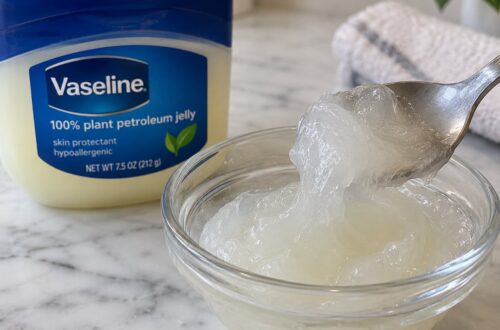
Vaseline, or petroleum jelly, is an occlusive agent, meaning it forms a barrier on the skin’s surface that prevents moisture loss. While this is generally beneficial for healing and hydration, it can become problematic when combined with phototoxic ingredients.
When Vaseline is applied over lime juice, it can trap the furanocoumarins against the skin, intensifying their contact and potentially increasing the severity of the phytophotodermatitis reaction. The occlusive layer can enhance the absorption and prolong the exposure of the skin to these harmful compounds.
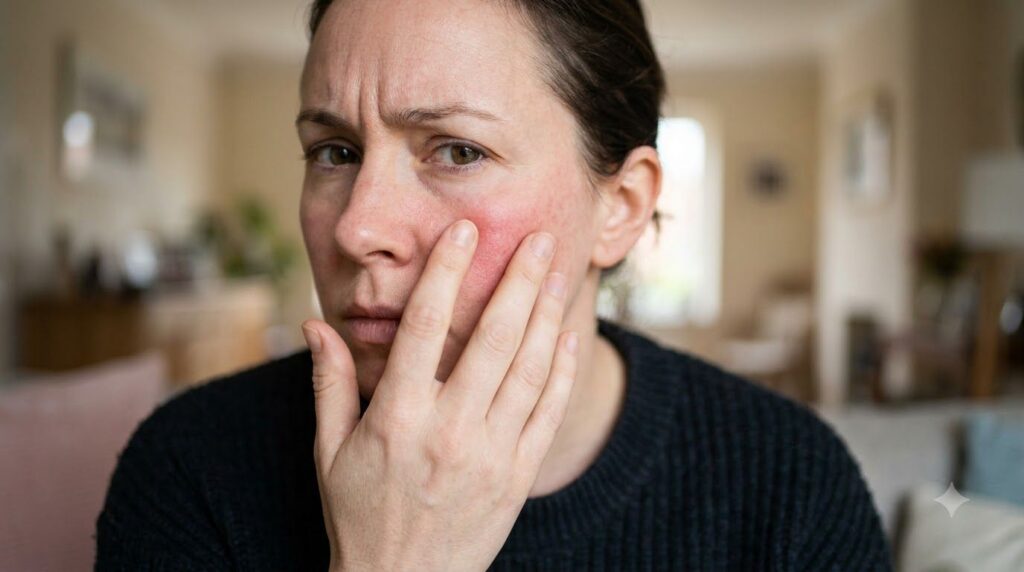
Potential Skin Reactions
- Severe Irritation and Redness: An immediate burning or stinging sensation.
- Painful Blisters: Fluid-filled bumps similar to second-degree burns.
- Chemical Burns: In severe cases, direct chemical burns can occur, especially with prolonged exposure or sensitive skin.
- Permanent Hyperpigmentation: Dark brown or grey patches on the skin that can be very difficult to fade, sometimes lasting for years.
- Increased Sun Sensitivity: Even after the initial reaction subsides, the affected skin may remain more sensitive to sun exposure.
What to Do If You’ve Used It
If you’ve applied a Vaseline and lime mixture to your skin and experience any discomfort, redness, burning, or blistering:
- Wash Immediately: Gently but thoroughly wash the affected area with mild soap and cool water to remove any remaining residue.
- Avoid Sun Exposure: Stay out of direct sunlight completely. Cover the affected area with clothing or bandages if you must go outside.
- Apply a Cold Compress: To soothe irritation and reduce swelling.
- Do Not Pop Blisters: If blisters form, do not pop them, as this can lead to infection and further scarring.
- Seek Medical Attention: If the reaction is severe (painful burns, large blisters, widespread redness), consult a doctor or dermatologist immediately. They can provide appropriate treatment to manage symptoms and prevent long-term damage.
How to Protect Your Skin and Choose Safe DIYs
Your skin’s health is paramount. To protect your glow and ensure safe beauty practices:
- Research Thoroughly: Before trying any DIY remedy, research all ingredients for potential side effects and interactions.
- Consult Experts: When in doubt, consult a dermatologist or trusted skincare professional.
- Patch Test Always: For any new topical product or DIY mixture, always perform a patch test on a small, inconspicuous area of skin (like behind the ear or on the inner forearm) and wait 24-48 hours for any adverse reactions.
- Avoid Phototoxic Ingredients: Be extremely cautious with citrus juices (lemon, lime, orange) on the skin, especially before sun exposure.
- Prioritize Gentle Ingredients: Stick to ingredients known for their mildness and proven benefits, like aloe vera, oatmeal, honey, or gentle oils, used correctly.
Why These Ingredients Are Risky Together
Lime Juice
Often lauded for its Vitamin C, lime juice is acidic and contains psoralens (furanocoumarins). These compounds can cause severe photosensitivity, leading to chemical burns when exposed to sunlight. This reaction is not simply an allergic reaction but a toxic response to UV light.
Vaseline
While an excellent occlusive for dry skin or minor cuts, Vaseline creates a seal. When used with phototoxic ingredients like lime, it can trap the harmful compounds close to the skin, potentially intensifying the phototoxic reaction and leading to more severe burns and persistent hyperpigmentation.
What Safe Beauty Results to Expect
For truly radiant skin, focus on a consistent, gentle skincare routine that includes:
- Daily Cleansing: To remove impurities without stripping natural oils.
- Moisturizing: To maintain skin hydration and barrier function.
- Sun Protection: Daily use of broad-spectrum SPF 30+ to prevent sun damage, premature aging, and hyperpigmentation.
- Targeted Treatments: Incorporate ingredients like hyaluronic acid for hydration, niacinamide for skin tone, or gentle retinoids (under professional guidance) for anti-aging, tailored to your skin’s needs.
- Healthy Lifestyle: A balanced diet, adequate hydration, and sufficient sleep all contribute to a healthy-looking complexion.
These practices support genuinely radiant, healthy-looking skin without risking painful and lasting damage.
Safety Notes
- NEVER apply lime juice directly to your skin, especially if you anticipate sun exposure.
- Avoid combining highly acidic ingredients with occlusive products like Vaseline without proper knowledge of their interactions.
- If you experience any burning, stinging, redness, or blistering after applying a DIY remedy, immediately wash it off and seek medical advice.
- Always prioritize skin safety over viral trends.
FAQ
Can I use lime juice for skin brightening?
No, it is highly recommended to avoid using lime juice directly on your skin for brightening. While it contains Vitamin C, its acidity and phototoxic compounds can cause severe irritation, burns, and permanent dark spots, especially with sun exposure. Safer alternatives for brightening include Vitamin C serums, niacinamide, and alpha hydroxy acids (AHAs) used in appropriate formulations.
Is Vaseline safe to use on my face?
Yes, Vaseline (petroleum jelly) is generally considered safe and effective for moisturizing dry skin and aiding wound healing. It’s non-comedogenic for most people, meaning it won’t clog pores. However, its safety depends on what you combine it with. When used alone or with gentle, non-irritating ingredients, it can be a beneficial occlusive moisturizer. Never mix it with known irritants or phototoxic ingredients like lime juice.
What is phytophotodermatitis?
Phytophotodermatitis is a skin reaction caused by contact with certain plant compounds (like those in lime, celery, or parsley) followed by exposure to ultraviolet (UV) light. It results in an inflammatory reaction that can manifest as redness, itching, burning, blistering, and often leads to post-inflammatory hyperpigmentation (dark spots) that can persist for a long time.
Final Thoughts
While the internet is full of fascinating beauty hacks, it’s essential to approach them with caution and prioritize your skin’s health. The viral Vaseline and lime hack, despite its popularity, carries significant risks that can lead to severe and lasting damage. Always choose gentle, scientifically-backed, and proven methods to achieve your beauty goals. Your skin deserves care, not chemical burns. Stay safe and beautiful!