Most people reach for a pill to tackle everyday aches and pains, often overlooking a powerful natural remedy that has been quietly helping humanity for millennia. This isn’t a new discovery, but rather an ancient wisdom largely sidelined by modern pharmaceuticals. We’re talking about willow bark, specifically the bark of the White Willow tree (Salix alba), a remedy whose efficacy is rooted in traditional practices and, surprisingly, in the very origins of modern medicine.
Ignoring this simple, readily available natural solution means missing out on a gentle yet effective approach to discomfort. One small preparation mistake, however, can significantly reduce its potency or even make it less effective. This guide will walk you through exactly how to harness willow bark’s benefits, from sourcing to preparation and safe usage, ensuring you get the most out of this historical remedy.
What It Is: White Willow Bark
White Willow Bark comes from various species of the willow tree, but Salix alba is particularly prized for its medicinal properties. Historically, cultures across Europe, Asia, and the Americas chewed willow bark or brewed it into teas to alleviate pain, reduce fevers, and calm inflammation. Its secret lies in a compound called salicin, which the body converts into salicylic acid – a precursor to aspirin. This natural analgesic and anti-inflammatory agent is why willow bark is often referred to as ‘nature’s aspirin,’ offering a similar benefit without some of the harsher side effects associated with synthetic versions, due to other balancing compounds present in the whole plant.

Ingredients for Willow Bark Decoction
- Dried White Willow Bark: 1-2 teaspoons, cut and sifted (or powdered for stronger brew)
- Filtered Water: 1 cup (240ml)
Approximate Measurements
For a standard single serving of willow bark tea:
- Dried, cut bark: Use 1 heaping teaspoon for a mild effect, or up to 2 teaspoons for stronger relief.
- Powdered bark: Use ½ to 1 teaspoon, as it’s more concentrated.
Adjust these measurements based on your personal tolerance and the desired strength, always starting with the lowest dose to assess your body’s reaction.
Formula / Recipe: Willow Bark Decoction
A decoction is the best method to extract the beneficial compounds from tough plant materials like bark.
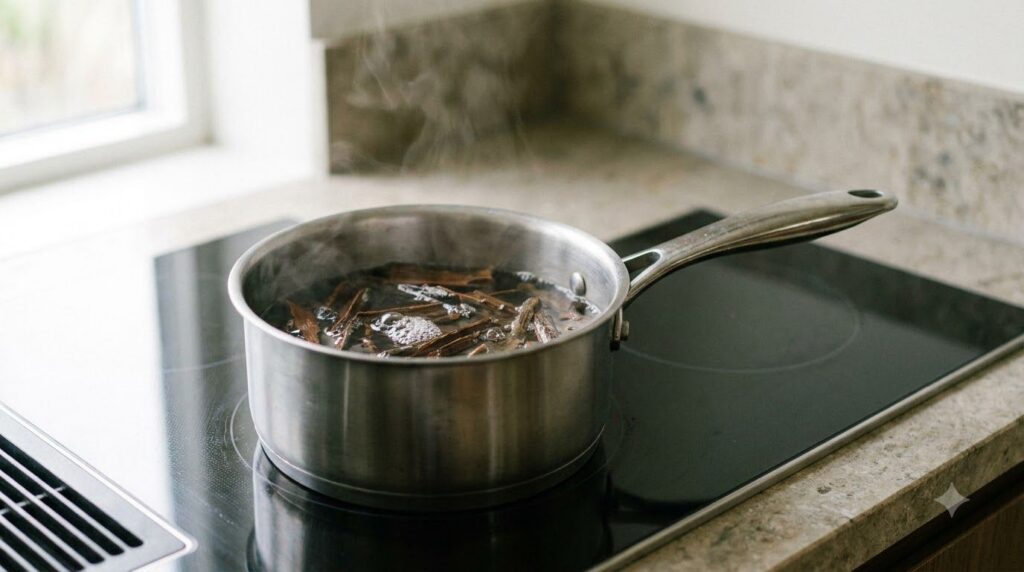
- Measure Ingredients: Combine your chosen amount of dried willow bark with 1 cup of cold filtered water in a small, non-reactive saucepan (stainless steel or glass).
- Bring to a Simmer: Place the saucepan on the stove over medium heat and bring the mixture to a gentle simmer. Do not bring to a rolling boil, as excessive heat can degrade some of the active compounds.
- Simmer Gently: Reduce the heat to low, cover the saucepan, and let it simmer gently for 10-15 minutes. This allows the salicin and other compounds to fully infuse into the water.
- Strain: Remove the saucepan from the heat. Allow the decoction to cool slightly. Strain the liquid through a fine-mesh sieve or cheesecloth into a mug, separating the bark from the liquid.
- Serve: Your willow bark decoction is ready to drink.
How to Use
Willow bark decoction is typically used internally as a tea for generalized pain relief, headaches, muscle aches, or inflammatory conditions like mild arthritis. It can also be used externally.
- Internal Use (Tea): Drink 1 cup of the warm decoction up to 2-3 times per day. Its taste can be quite bitter; you may add a touch of honey or lemon to improve palatability.
- External Use (Compress/Rinse): Once cooled, the decoction can be applied externally as a compress for localized pain, swelling, or skin irritations. Soak a clean cloth in the liquid and apply it to the affected area for 15-20 minutes. It can also be used as a rinse for sore joints or muscles.
How Often to Use
For acute pain or inflammation, you can use willow bark decoction up to three times a day. However, it’s generally not recommended for long-term, continuous daily use without consulting a healthcare professional. For chronic conditions, cyclical use (e.g., a few weeks on, a week off) might be considered, but medical advice is crucial.
Quick Tip: The effects of willow bark are typically slower to manifest than synthetic aspirin, often taking 30 minutes to an hour to be felt. Plan accordingly if you’re seeking relief for specific times.
How to Buy / How to Choose Ingredients
Sourcing quality willow bark is crucial for both efficacy and safety.
- Reputable Suppliers: Always purchase dried willow bark from trusted herbal suppliers who can verify its origin and species (preferably Salix alba). Look for organic or wild-harvested options.
- Appearance: Quality dried bark should be clean, free from mold, and have a fresh, slightly woody aroma. Avoid bark that looks discolored, dusty, or smells musty.
- Form: Cut and sifted bark is ideal for decoctions. Powdered bark offers convenience but may be harder to strain completely and can spoil faster.
- Foraging Caution: While tempting, foraging for willow bark is not recommended unless you are an experienced botanist and can correctly identify Salix alba and confirm it hasn’t been exposed to pesticides or pollutants. Many willow species exist, and some may have different or weaker properties.
Storage
- Dried Bark: Store dried willow bark in an airtight container (glass jars are excellent) in a cool, dark, and dry place. Away from direct sunlight and humidity, it can last for 1-2 years.
- Prepared Decoction: The prepared decoction is perishable. Store any unused portion in a sealed glass container in the refrigerator for no more than 2-3 days. Discard if it develops an off smell or appearance.

Practical Tips
- Grind for Potency: For a stronger decoction, you can lightly grind or crush the cut bark pieces just before simmering. This increases the surface area for extraction.
- Combine with Flavor Enhancers: To mitigate the bitter taste, consider adding a cinnamon stick, a slice of ginger, or a few drops of natural peppermint extract to your decoction while it simmers.
- External Application for Soreness: For localized muscle soreness or joint pain, a warm willow bark compress can offer direct relief. Ensure the decoction is cooled to a comfortable temperature before applying.
You may also like: Natural Remedies for Inflammation: Beyond the Medicine Cabinet
Common Mistakes
One small oversight can diminish the effectiveness or safety of your willow bark remedy.
- Boiling Too Hard: Aggressively boiling the bark can degrade the salicin and other delicate compounds. A gentle simmer is key.
- Using the Wrong Species: Not all willow species have the same medicinal properties. Stick to Salix alba or reputable blends specified for medicinal use.
- Over-consumption: More is not always better. Excessive intake can lead to stomach upset or other adverse effects. Adhere to recommended dosages.
- Ignoring Contraindications: This is perhaps the most critical mistake. Willow bark is not for everyone and has significant contraindications. Always review the ‘Cautions’ section carefully.
- Improper Storage of Decoction: Leaving the prepared decoction out at room temperature or storing it for too long can lead to bacterial growth, making it unsafe to consume.
Cautions / Who Should Avoid It
Despite its natural origin, willow bark contains compounds similar to aspirin and carries similar risks. It is crucial to be aware of these cautions:
- Aspirin Allergy/Sensitivity: Individuals with a known allergy or sensitivity to aspirin (acetylsalicylic acid) or other salicylates should absolutely avoid willow bark.
- Blood-Thinning Medications: Willow bark can have blood-thinning effects and should not be used with anticoagulant medications (e.g., Warfarin, heparin) or antiplatelet drugs (e.g., Plavix).
- Bleeding Disorders: Avoid if you have any bleeding disorders.
- Stomach Ulcers/Gastritis: Like aspirin, willow bark can irritate the stomach lining and exacerbate ulcers or gastritis.
- Pregnancy and Breastfeeding: There is insufficient evidence regarding its safety during pregnancy and breastfeeding. It’s best to avoid it.
- Children and Teenagers: Due to the risk of Reye’s syndrome (a serious condition associated with aspirin use in children and teenagers with viral infections), willow bark should not be given to individuals under 16, especially if they have flu-like symptoms, chickenpox, or other viral illnesses.
- Surgery: Discontinue use at least two weeks before any scheduled surgery due to its blood-thinning properties.
- Kidney Disease: Use with caution in individuals with kidney impairment.
Always consult your doctor or a qualified herbalist before incorporating willow bark into your regimen, especially if you have underlying health conditions or are taking other medications.
Quick Summary
Willow bark offers a natural approach to pain and inflammation, thanks to its salicin content. The best way to use it is as a decoction, simmering dried bark gently in water. Store dried bark in an airtight container and the prepared decoction in the refrigerator for up to three days. It’s effective for mild to moderate pain, but always prioritize safety: check for contraindications, especially aspirin allergies or use of blood thinners, and avoid it for children or during pregnancy. Begin with small doses and listen to your body.
| Feature | Fresh Willow Bark | Dried Willow Bark |
|---|---|---|
| Potency | Variable; higher moisture content means more volume for less active compound | Concentrated; more consistent salicin content per weight |
| Preparation | Requires stripping bark, chopping; must be used immediately or dried | Ready to use; ideal for decoctions |
| Availability | Seasonal; requires specific tree identification & ethical harvesting | Year-round from reputable suppliers |
| Storage | Must be dried for long-term storage | Long shelf-life (1-2 years) in airtight containers |
| Ease of Use | More labor-intensive; risk of incorrect species ID | Convenient; less risk of ID errors if sourced correctly |
| Recommendation | Not recommended for novices due to ID & preparation challenges | Highly recommended for ease, consistency, and safety |
FAQ
- Can I use fresh willow bark?
While technically possible, it’s generally not recommended for home preparation due to the difficulty in identifying the correct species, proper harvesting, and inconsistent potency. Dried bark from reputable suppliers is safer and more reliable. - How long does the willow bark decoction last?
The prepared decoction should be stored in the refrigerator and consumed within 2-3 days. - What’s the best time to drink willow bark tea?
You can drink it as needed for pain, typically up to three times a day. If it causes any stomach sensitivity, take it with food. - Does willow bark tea taste bitter?
Yes, willow bark decoction often has a distinctly bitter, earthy taste. You can add honey, lemon, or a natural sweetener to improve palatability. - Can I combine willow bark with other herbs?
Yes, it can be combined with complementary herbs like ginger or turmeric for added anti-inflammatory benefits, or peppermint for flavor. Always research potential interactions before combining herbs. - Is willow bark safe for daily, long-term use?
It is generally not recommended for long-term, continuous daily use without professional guidance due to potential side effects like stomach irritation or interactions with medications. Consult a healthcare provider for chronic conditions. - What part of the willow tree is used?
The inner bark (cambium) and the outer bark are used, typically dried and cut into small pieces or powdered.
Read more: See the full guide: Making Your Own Herbal Teas at Home
Conclusion
Willow bark stands as a testament to nature’s enduring capacity to provide relief. As an ancient remedy, it offers a compelling alternative to synthetic painkillers for those who can use it safely. By understanding its proper preparation, usage, and crucial cautions, you can unlock the natural power of this forgotten plant, bringing a time-honored solution back into your daily remedy repertoire. Always remember that natural doesn’t mean without effect, so respect its power and use it wisely.