Are you searching for a natural, warming way to boost your well-being? What if a spice you likely already have in your pantry holds a treasure trove of health secrets, traditionally cherished for centuries? Imagine a simple daily ritual that could support your vitality in surprising ways.
We often overlook the power of everyday ingredients. Today, we’re shining a spotlight on an unassuming yet mighty spice that has captured the attention of natural wellness enthusiasts: the humble clove. Get ready to explore how a soothing cup of clove tea might become your new favorite natural health ally.

Why This Ancient Spice Matters for Modern Wellness
Clove tea isn’t just a recent trend; its roots in traditional medicine stretch back thousands of years across various cultures, from ancient China to India and parts of Africa. People have long turned to cloves not just for their distinct, aromatic flavor in culinary dishes, but also for their impressive array of potential health-supporting properties.
In today’s fast-paced world, many of us are seeking gentle, natural ways to complement our health routines, manage discomfort, and support our bodies’ inherent ability to thrive. Clove tea offers an accessible and comforting approach to natural wellness, appealing to those who prefer traditional remedies and wholesome ingredients. It’s no wonder this spice continues to gain popularity as a go-to for everything from soothing an upset stomach to offering a boost of antioxidants.
The Remarkable Wellness Power of Cloves
Cloves, the dried flower buds of the Syzygium aromaticum tree, are renowned for their potent aromatic compounds, particularly eugenol. This key compound, along with other antioxidants, flavonoids, and triterpenes, is responsible for many of the spice’s traditional uses and potential health benefits. While we won’t list all 35 individual benefits here, we can explore the key areas where cloves may offer significant support:
Digestive Dynamo
Traditionally, cloves have been a go-to for digestive comfort. They are believed to help:
- Soothe Upset Stomachs: Clove tea may help reduce feelings of nausea and indigestion.
- Relieve Bloating and Gas: Its carminative properties can ease digestive discomfort.
- Support Gut Health: Some compounds in cloves are thought to have antimicrobial properties that could help maintain a healthy balance of gut flora.
Pain and Inflammation Soother
Eugenol, the primary active compound in cloves, is known for its analgesic (pain-relieving) and anti-inflammatory effects.
- Headache Relief: Clove tea may help alleviate tension headaches.
- Joint Comfort: Its anti-inflammatory action could potentially offer some relief for mild joint stiffness or discomfort.
- Oral Health: Traditionally used as a topical anesthetic for toothaches, drinking clove tea may contribute to overall oral wellness by helping to reduce bacteria.
Immune System Booster
Rich in antioxidants, cloves can play a role in supporting your body’s natural defenses.
- Antioxidant Powerhouse: Cloves are packed with antioxidants that help combat oxidative stress and protect cells from damage.
- Immune Support: By reducing oxidative stress, cloves may help bolster your immune system, especially during seasonal changes.
Blood Sugar & Circulation Support
Emerging research suggests cloves may have roles beyond traditional uses.
- Blood Sugar Balance: Some studies indicate that compounds in cloves may help support healthy blood sugar levels, although more research is needed.
- Circulatory Health: Traditionally believed to improve circulation, potentially aiding in overall vitality.
Respiratory Comfort
The warming, aromatic nature of cloves makes them a popular choice for respiratory support.
- Cough and Cold Relief: Clove tea is often used to soothe sore throats and ease coughs.
- Clear Airways: Its expectorant qualities may help clear congestion.
Important Note: While traditional uses are extensive and modern science is beginning to explore these benefits, it’s essential to remember that clove tea is a natural remedy and not a substitute for professional medical treatment.
Simple Clove Tea Recipe: Your Daily Wellness Ritual
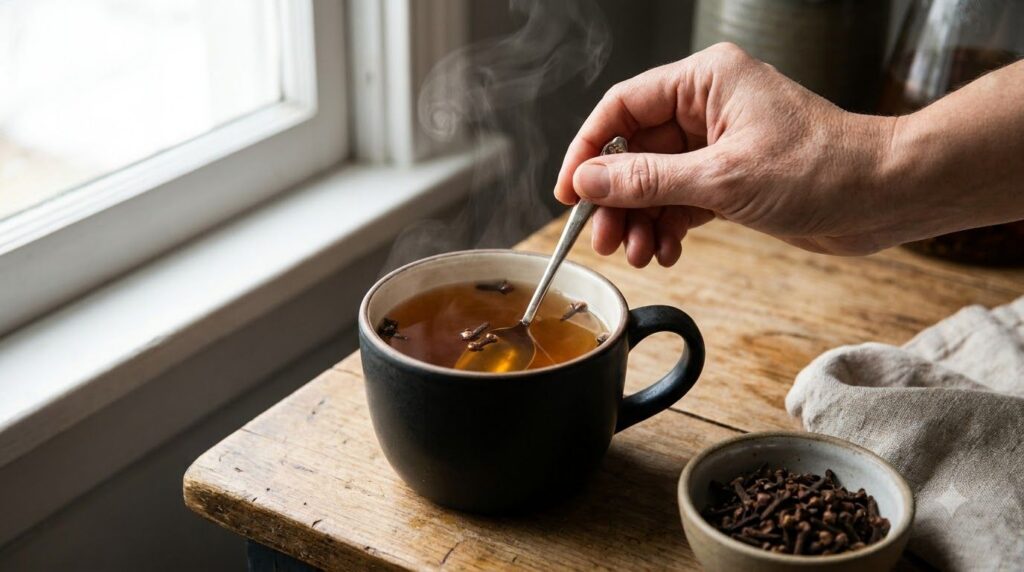
Making clove tea at home is wonderfully simple. Here’s how you can prepare a comforting and beneficial cup:
Ingredients:
- 1 cup of water
- 4-6 whole cloves (you can adjust to your taste preference)
- Optional: Honey, lemon slice, or a cinnamon stick for added flavor and benefits
Instructions:
- Boil Water: Bring one cup of fresh water to a boil in a small saucepan.
- Add Cloves: Once the water is boiling, add the whole cloves.
- Simmer: Reduce the heat to low, cover the saucepan, and let it simmer for 5-10 minutes. The longer you simmer, the stronger the flavor and potency will be.
- Strain: Remove from heat and strain the tea into your favorite mug, discarding the cloves.
- Enjoy: Add honey or a lemon slice if desired, and enjoy your warm, aromatic clove tea.
Serving Suggestions:
- Enjoy it warm, especially during cooler months or when feeling under the weather.
- For a refreshing twist, you can let it cool and serve it over ice, perhaps with a squeeze of orange.
- Combine with ginger or cinnamon for an extra spicy and health-boosting brew.
Frequency:
Many people enjoy 1-2 cups of clove tea per day. Listen to your body and adjust as needed.
Safety & Precautions
While clove tea is generally considered safe for most people in moderation, it’s always wise to be aware of potential precautions:
- Pregnancy & Breastfeeding: Pregnant or breastfeeding individuals should consult their doctor before consuming clove tea due to limited research on its effects.
- Blood Thinners: Cloves contain eugenol, which has mild blood-thinning properties. If you are on blood-thinning medication or have a bleeding disorder, consult your healthcare provider before consuming clove tea regularly.
- Allergies: Some individuals may be allergic to cloves. Discontinue use if you experience any adverse reactions.
- Existing Medical Conditions: If you have any underlying medical conditions or are taking medications, it’s always best to discuss with your doctor before incorporating new herbal remedies into your routine.
- Excessive Consumption: Very high doses of clove oil (which is far more concentrated than tea) can be toxic. Stick to reasonable amounts of tea.
Key Takeaways
- Cloves are a potent spice with a long history of traditional use in wellness.
- Clove tea may offer benefits for digestion, pain relief, inflammation, and immune support.
- Eugenol is the primary active compound responsible for many of clove’s properties.
- Making clove tea at home is simple and requires only a few ingredients.
- Always consume in moderation and consult a healthcare professional if you have concerns, especially if pregnant, breastfeeding, or on medication.
FAQ
Q1: Can clove tea help with a sore throat?
Yes, clove tea is a popular traditional remedy for soothing sore throats and easing coughs due to its warming and potentially anti-inflammatory properties.
Q2: How often can I drink clove tea?
Most people can safely enjoy 1-2 cups of clove tea per day. It’s always best to listen to your body and adjust based on your personal comfort.
Q3: Does clove tea have caffeine?
No, clove tea is naturally caffeine-free, making it a great choice for any time of day, including before bed.
Q4: Can I use ground cloves instead of whole cloves for tea?
While you can use ground cloves, whole cloves are generally preferred for tea as they release their flavor and beneficial compounds more gradually, leading to a smoother taste and easier straining. Ground cloves can make the tea cloudy and gritty.
Q5: Is clove tea good for weight loss?
While some studies suggest cloves may have metabolic benefits, clove tea alone is not a magic bullet for weight loss. It can be a healthy addition to a balanced diet and active lifestyle, but it’s not a primary weight loss solution.
Related Reading
If you’re intrigued by the power of natural ingredients, you might also enjoy exploring:
- The Anti-Inflammatory Benefits of Turmeric Golden Milk
- Ginger Tea for Digestive Wellness and Immune Support
- Harnessing the Power of Cinnamon for Healthy Aging
- Essential Herbs for a Natural Home Remedy Kit
