Most people rush past the leaves to get to the sweet, delicious guava fruit. But what if we told you that the real secret to a powerful natural remedy isn’t in the fruit at all, but tucked away in the very leaves you often overlook? Many herbalists and traditional healers have long known the hidden potential within guava leaves, valuing them for a range of practical applications that go far beyond a simple snack.
This isn’t about vague wellness theories; it’s about practical, actionable steps to harness the benefits of Psidium guajava leaves. From a soothing tea to a refreshing rinse, understanding the correct preparation and use of guava leaves can unlock an unexpected ally in your daily wellness routine.
What Are Guava Leaves?
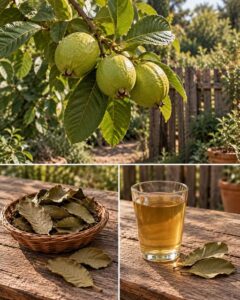
Guava leaves come from the guava tree, a common tropical shrub that produces the popular guava fruit. While the fruit is celebrated for its taste and vitamin C content, the leaves are where a wealth of beneficial compounds, like flavonoids and tannins, are concentrated. Historically, these leaves have been used in various cultures for their natural properties, particularly in teas and topical applications. They are readily available in many tropical regions and can often be found dried in herbal stores or online for those in other climates.
Ingredients for Guava Leaf Tea
- Fresh Guava Leaves: 5-10 medium-sized leaves, thoroughly washed.
- Water: 4 cups (approximately 1 liter).
Alternatively, if using dried leaves:
- Dried Guava Leaves: 1-2 tablespoons, crushed.
- Water: 4 cups (approximately 1 liter).
Quick Tip: Fresh vs. Dried
Both fresh and dried guava leaves can be effective, but there are slight differences in their preparation and potency. Fresh leaves often yield a stronger, more aromatic brew, while dried leaves offer convenience and a longer shelf life.
Formula / Recipe: Guava Leaf Brew
The simplest and most common way to prepare guava leaves for internal or external use is by brewing them into a tea or infusion. This method extracts the beneficial compounds into a liquid form that is easy to consume or apply.
Step-by-Step Method: Brewing Your Guava Leaf Remedy
- Preparation: If using fresh leaves, rinse them thoroughly under cold running water to remove any dirt or residues. Pat them dry.
- Boiling: In a saucepan, bring 4 cups of water to a rolling boil.
- Adding Leaves: Once the water is boiling, add the fresh guava leaves (or dried, crushed leaves).
- Simmering: Reduce the heat to low, cover the saucepan, and let the leaves simmer gently for 15-20 minutes. This allows the beneficial compounds to infuse into the water.
- Cooling & Straining: Remove the saucepan from the heat and let the mixture cool down to a comfortable temperature. Strain the liquid using a fine-mesh sieve or cheesecloth to separate the leaves from the tea.
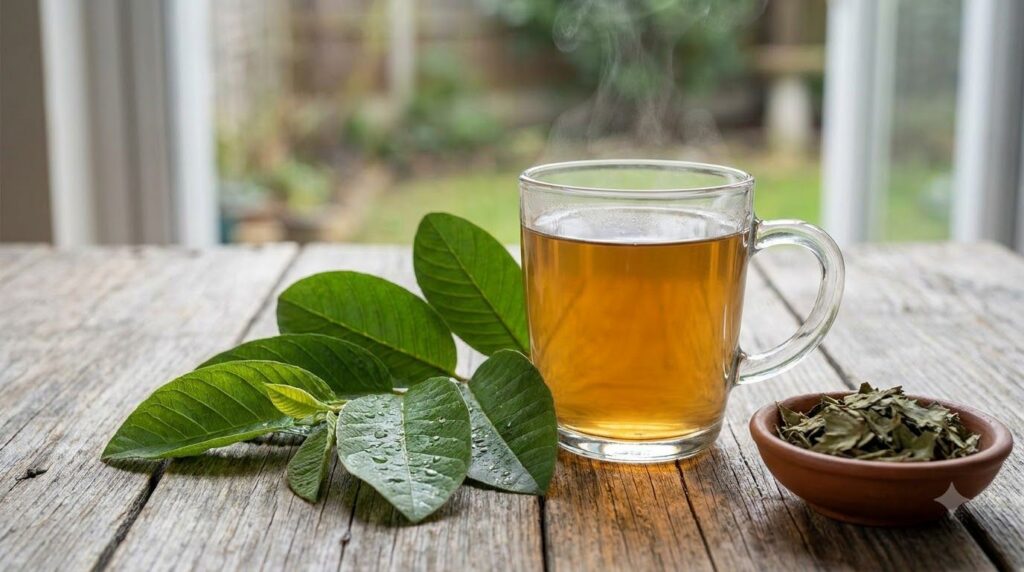
- Ready to Use: Your guava leaf tea is now ready for use.
How to Use Your Guava Leaf Brew
The versatility of guava leaf tea makes it a go-to natural remedy for various purposes:
- For Internal Use (Tea): Drink 1 cup of the warm tea. It can be sweetened lightly with honey if desired.
- For Topical Use (Rinse): Allow the tea to cool completely. Use it as a hair rinse after shampooing, a facial toner, or a soothing wash for irritated skin.
How Often to Use
- For Internal Use: Generally, 1-2 cups per day is a common recommendation. Consistent, moderate use is often more beneficial than sporadic, heavy use.
- For Topical Use: Can be used daily or every other day, depending on the specific application and your skin/hair’s response.
How to Buy / How to Choose Ingredients
If you’re not harvesting from your own garden, look for:
- Fresh Leaves: Choose vibrant green, blemish-free leaves without any signs of yellowing, wilting, or insect damage. Ideally, source them from organic or unsprayed plants.
- Dried Leaves: Purchase from reputable herbal suppliers. Ensure they are well-packaged, free from mold, and have a natural, earthy aroma.
Storage
- Fresh Leaves: Store unwashed leaves in a plastic bag in the refrigerator for up to 3-5 days.
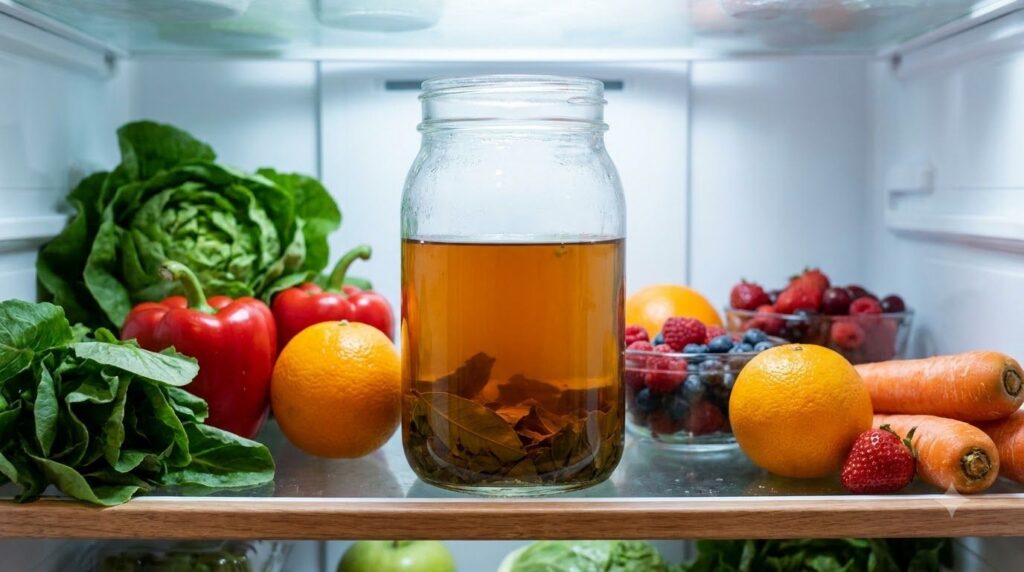
- Brewed Tea: Store the strained tea in a sealed glass container in the refrigerator for up to 2-3 days. Discard if it develops an off-smell or appearance.
Practical Tips
- Consistency is Key: For best results, incorporate guava leaf tea or rinse into a consistent routine rather than using it sporadically.
- Customize Your Brew: Adjust the number of leaves or simmering time to find your preferred strength.
- Combine with Other Herbs: For specific needs, consider blending with other complementary herbs like ginger or mint, but always research potential interactions.
You may also like: The Power of Ginger Tea: Beyond the Comforting Sip
Common Mistakes
- Using Sprayed Leaves: Always ensure your leaves are free from pesticides or harmful chemicals, especially if you plan to consume them.
- Over-Boiling: Boiling for too long can sometimes degrade delicate compounds, so stick to the recommended simmering time.
- Improper Storage: Leaving brewed tea out at room temperature can lead to spoilage and reduce its efficacy.
- Ignoring Freshness: Using old, discolored, or moldy leaves will yield a less potent and potentially harmful remedy.
Cautions / Who Should Avoid It
While generally safe for most, it’s wise to exercise caution:
- Pregnancy & Breastfeeding: Consult a healthcare professional before use.
- Medication Interactions: If you are on any medications, particularly for blood sugar regulation or blood clotting, speak to your doctor.
- Allergies: If you have allergies to guava fruit or other related plants, exercise caution.
- Excessive Use: Large quantities may lead to mild digestive upset in some individuals.
Read more: Understanding Herbal Remedy Safety: A Guide
Quick Summary: Guava Leaf Brew
This natural remedy offers a simple, accessible way to incorporate traditional herbal wisdom into your life. Whether brewed as a tea or used as a topical rinse, understanding the proper preparation and mindful application is crucial. Remember to source quality leaves, follow the method carefully, and store your brew correctly for optimal benefits.
Best Preparation: Simmered tea.
Best Use-Case: Internal (tea) for general wellness, external (rinse) for skin and hair.
Storage: Refrigerate brewed tea for 2-3 days.
When to Use: Daily for consistent support.
What to Avoid: Sprayed leaves, over-boiling, improper storage.
FAQ
Q1: Can I use fresh or dried guava leaves?
A: Yes, both fresh and dried leaves can be used. Adjust the quantity accordingly; use more fresh leaves than dried.
Q2: How long does guava leaf tea last?
A: Brewed guava leaf tea can be stored in a sealed container in the refrigerator for up to 2-3 days.
Q3: Can I refrigerate the brewed tea?
A: Yes, refrigerating the tea is recommended to maintain its freshness and prevent spoilage.
Q4: How often should I drink guava leaf tea?
A: 1-2 cups per day is a common recommendation for general wellness.
Q5: Can I reuse the leaves for another batch of tea?
A: It’s not recommended to reuse the leaves as most of their beneficial compounds would have been extracted in the first brew.
Q6: What part of the guava plant is best for this remedy?
A: The young, tender leaves are typically preferred, but mature leaves also contain beneficial compounds.
Q7: When should I avoid guava leaf tea?
A: Avoid if pregnant, breastfeeding, on certain medications (especially for blood sugar or clotting), or if you have a known allergy. Consult a doctor if unsure.
Continue with: The Benefits of Natural Hair Rinses for Luster and Health
Conclusion
Stepping beyond the obvious fruit, guava leaves offer a wealth of natural potential waiting to be explored. With simple preparation, mindful use, and a little practical knowledge, you can easily integrate this traditional remedy into your holistic lifestyle. Remember, the journey to wellness often begins with recognizing the surprising power in nature’s simplest gifts.