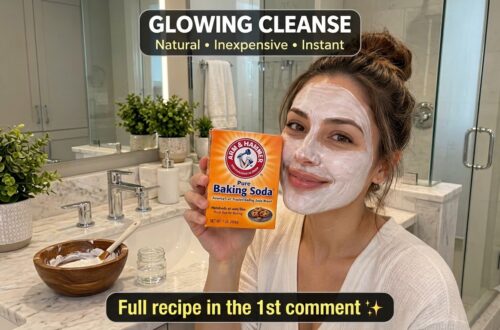
Looking for a quick, affordable way to refresh your complexion? This easy DIY baking soda face mask is a simple beauty hack that may help your skin look smoother and more radiant.
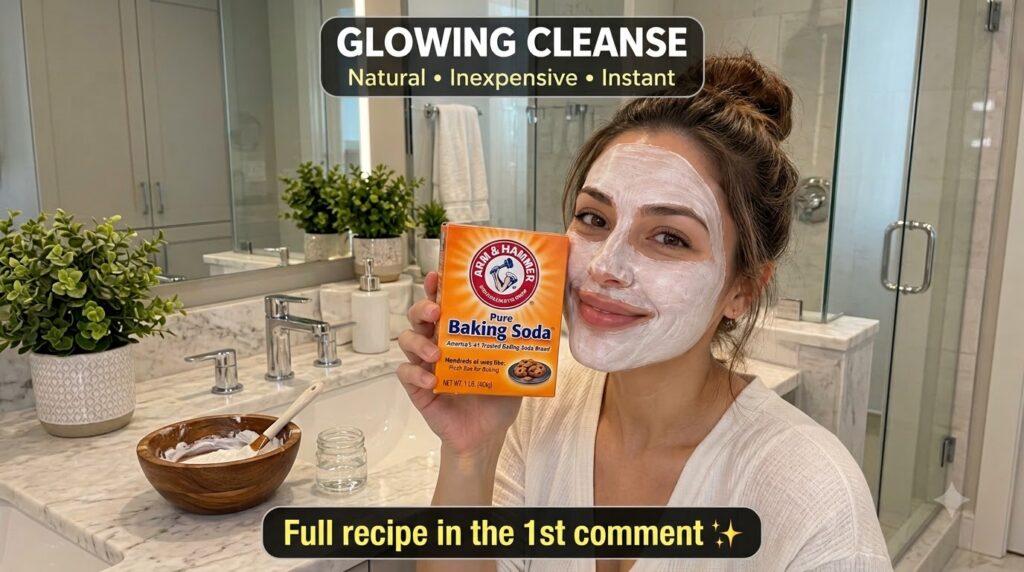
Quick Recipe
Prep time: 2 minutes
Best for: Dull or rough-feeling skin, occasional deep cleansing
Use type: Face mask
Main ingredients:
- Baking soda
- Water
Ingredients
- 1-2 teaspoons pure baking soda (sodium bicarbonate)
- Enough water to form a paste (start with 1 teaspoon)
How to Make It
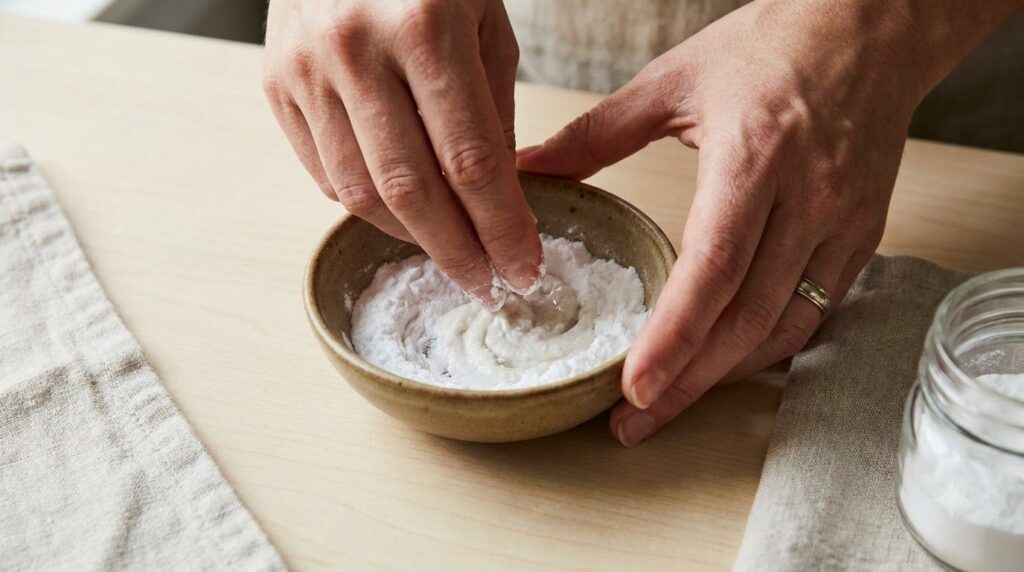
- In a small, clean bowl, place 1-2 teaspoons of baking soda.
- Gradually add small amounts of water, stirring continuously, until you achieve a smooth, spreadable paste. The consistency should be thick enough to stay on your skin without dripping.
- Ensure there are no dry lumps of baking soda.
How to Use It
- Cleanse your face: Start with a clean face. Gently wash away any makeup, dirt, or oils with your regular mild cleanser and pat your skin almost dry.
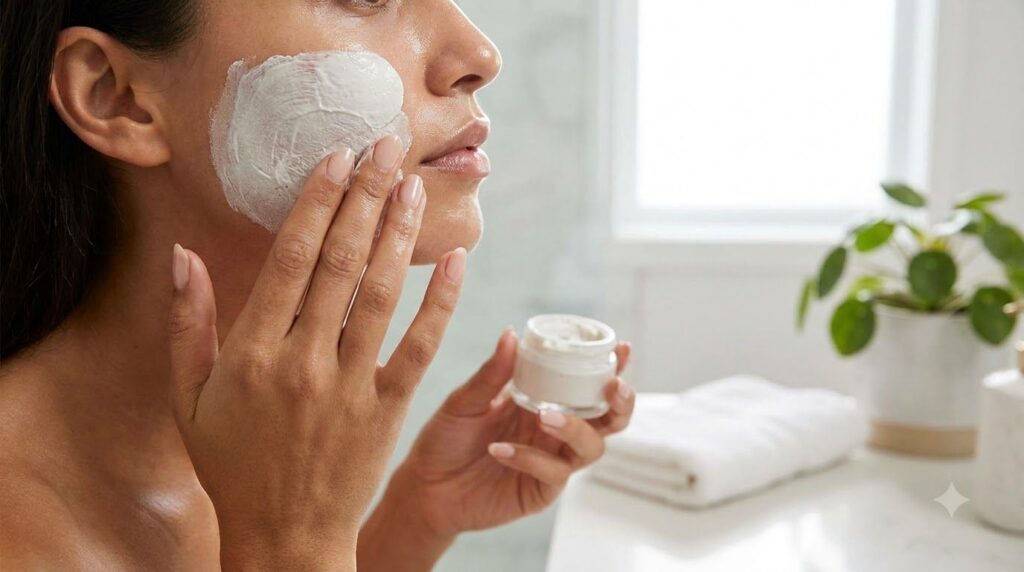
- Apply the mask: Using clean fingertips, gently apply the baking soda paste to your face, avoiding the delicate eye area and lips. You can focus on areas that feel rough or oily.
- Leave on briefly: Leave the mask on for no more than 1-2 minutes. This is a quick treatment; do not leave it on longer.
- Rinse thoroughly: Rinse your face completely with lukewarm water, gently massaging in circular motions as you rinse to help exfoliate. Ensure all traces of the baking soda are removed.
- Moisturize: Finish by patting your face dry with a soft towel and applying your favorite hydrating moisturizer.
How Often to Use It
Due to its exfoliating properties, this mask should be used sparingly. We recommend using it no more than once a week, or even every two weeks, to avoid over-exfoliation or irritation.
Why These Ingredients Are Used
Baking Soda
Baking soda, or sodium bicarbonate, is a common household ingredient known for its mild abrasive qualities. When mixed with water, it forms a paste that can act as a gentle physical exfoliant, helping to remove dead skin cells from the surface of the skin. This can lead to a feeling of smoother skin and a brighter appearance.
Water
Water is essential for diluting the baking soda to create a paste suitable for topical application. It helps to moderate the exfoliating action of the baking soda, making it easier and safer to apply to the skin.
What Results to Expect
After using this baking soda mask, your skin may feel noticeably smoother and softer to the touch. It can help support a fresher-looking complexion by gently buffing away surface impurities and dead skin cells, which in turn may help reveal a more radiant appearance. Individual results can vary, and consistency with a gentle skincare routine is key for long-term skin health.
Safety Notes
- Patch test first: Always perform a patch test on a small, inconspicuous area of your skin (like behind your ear or on your inner arm) at least 24 hours before applying the mask to your entire face to check for any irritation or allergic reaction.
- Use gently: Do not scrub your skin aggressively with the paste, as baking soda can be abrasive. Gentle application is key.
- Avoid irritated or broken skin: Never apply this mask to skin that is irritated, broken, sunburned, or has active acne lesions.
- Stop using if discomfort occurs: If you experience any burning, stinging, excessive redness, or irritation, rinse the mask off immediately with cool water.
- Limit frequency: Using baking soda too often can disrupt your skin’s natural pH balance and protective barrier, leading to dryness, irritation, and sensitivity. Stick to weekly or bi-weekly use.
FAQ
Can I use baking soda for acne?
While baking soda has drying properties, it is generally not recommended as a primary treatment for acne. Its alkaline pH can disrupt the skin’s acid mantle, which is essential for healthy skin and fighting acne-causing bacteria. Consult a dermatologist for persistent acne concerns.
Is baking soda safe for all skin types?
Baking soda can be too harsh for sensitive, dry, or easily irritated skin types. It is best suited for oily or combination skin that occasionally needs a deeper exfoliation, but always with extreme caution and a patch test.
What can I use instead of water for the paste?
Some people mix baking soda with other ingredients like honey or yogurt, which can offer additional benefits and slightly buffer the baking soda’s harshness. However, for a simple and quick remedy, water is effective. Always research and patch test any new ingredient combinations.
Final Thoughts
A baking soda face mask offers an accessible way to gently exfoliate and refresh your skin when used correctly and sparingly. Remember, consistency in gentle care, along with listening to your skin’s needs, is the true secret to a lasting, radiant glow. Give this simple beauty hack a try and see how it might enhance your skincare routine. Share your experience in the comments below!