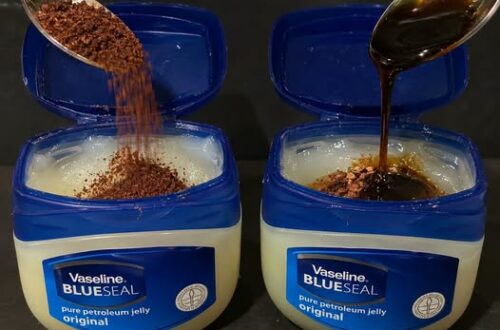
A viral trend suggesting a mixture of Vaseline and lime can magically erase dark spots has been circulating online. While the promise of quick results is tempting, this popular hack carries significant risks that could do more harm than good to your skin. Before you consider trying it, let’s uncover why this DIY remedy could damage your complexion.
Why This Viral Hack is a Bad Idea for Your Skin
Using lime, or any citrus juice, directly on your skin, especially followed by sun exposure, is a recipe for disaster. Combining it with an occlusive agent like Vaseline only magnifies the problem.
The Dangers of Lime on Skin
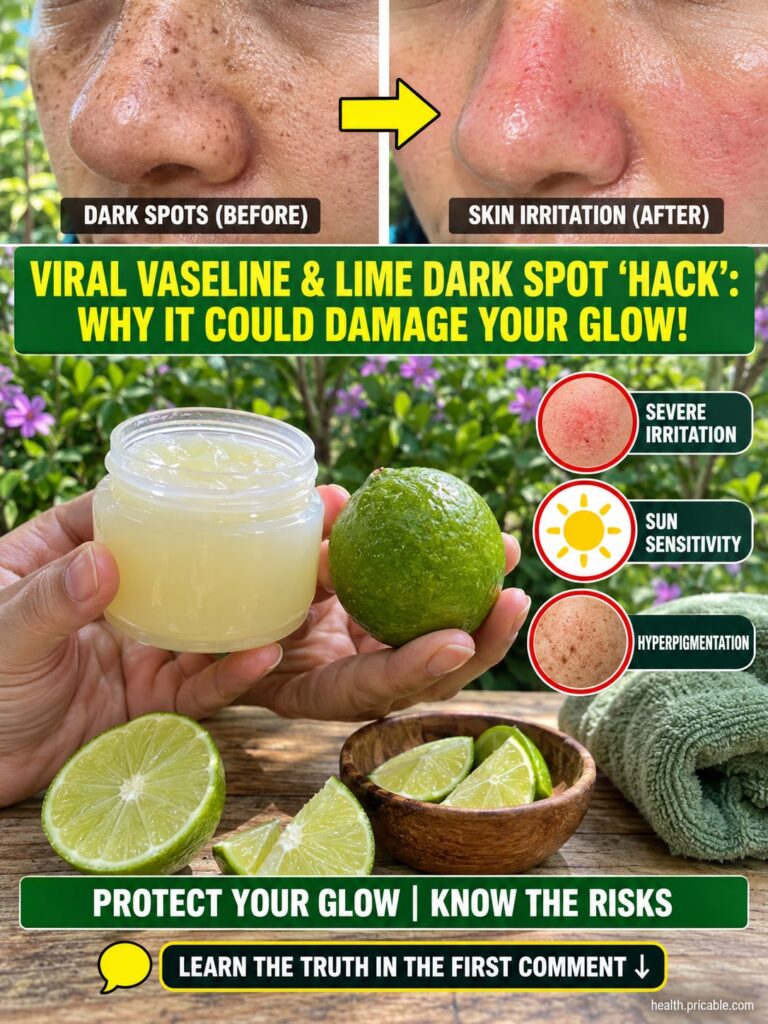
Lime juice contains compounds called psoralens, which are phototoxic. This means they react with UV light from the sun, leading to a severe skin reaction known as phytophotodermatitis. This reaction can manifest as:
- Intense redness and irritation
- Blistering and swelling, similar to a chemical burn
- Severe hyperpigmentation (dark spots) that are often much worse and more difficult to treat than the original spots
- Long-lasting skin sensitivity
Instead of fading dark spots, you risk creating new, more stubborn ones, along with painful inflammation and potential scarring.
Vaseline’s Role in Exacerbating the Problem
Vaseline (petroleum jelly) is an occlusive barrier, meaning it creates a seal over the skin. While excellent for locking in moisture or protecting minor cuts, it can be detrimental when combined with an irritant like lime juice. The Vaseline traps the phototoxic compounds from the lime on your skin, preventing them from evaporating or being easily washed away. This prolonged contact intensifies the chemical reaction with sunlight, significantly increasing the risk and severity of phytophotodermatitis.
The Science Behind Skin Damage
When psoralens on your skin are exposed to UVA rays, they cause damage to skin cells and trigger an inflammatory response. This inflammation can lead to post-inflammatory hyperpigmentation (PIH), where the skin produces excess melanin as it heals, resulting in dark patches. PIH can be much darker and more widespread than your original dark spots and can take months or even years to fade.
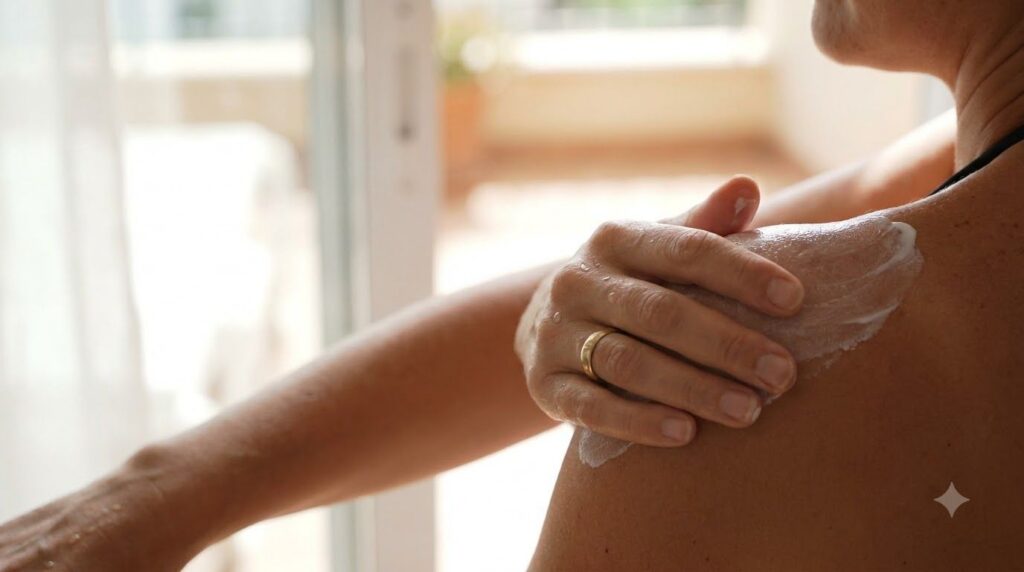
Safer Alternatives for Addressing Dark Spots
Instead of risking your skin with harmful DIYs, opt for proven, gentle, and effective methods to address dark spots:
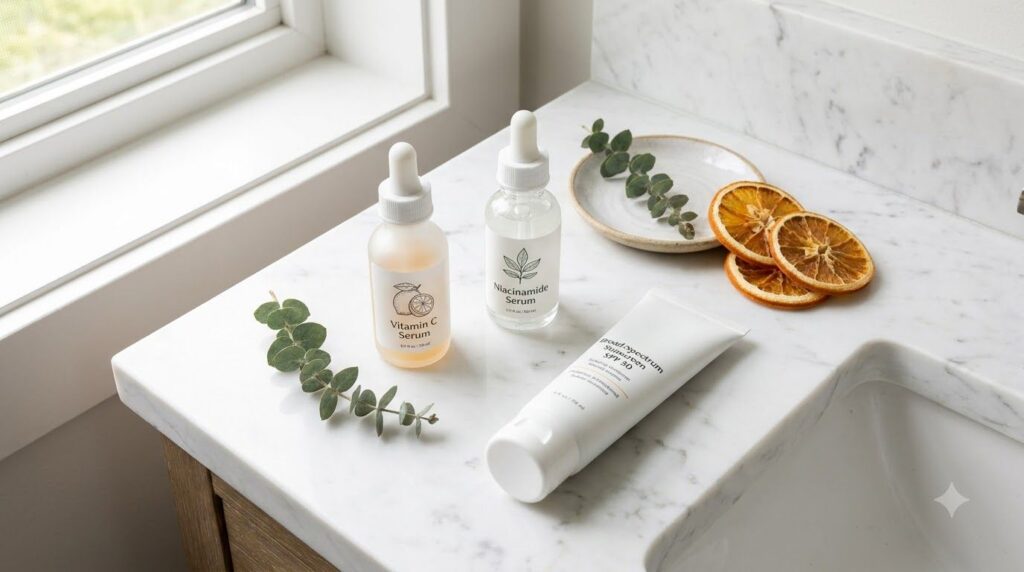
- Sun Protection: This is the most crucial step. Daily use of broad-spectrum sunscreen with SPF 30 or higher is essential to prevent new dark spots and keep existing ones from darkening.
- Topical Ingredients: Look for skincare products containing ingredients known to target hyperpigmentation, such as:
- Vitamin C: A powerful antioxidant that brightens skin and inhibits melanin production.
- Niacinamide (Vitamin B3): Helps reduce the transfer of pigment to skin cells and improves skin barrier function.
- Alpha Hydroxy Acids (AHAs): Gently exfoliate the skin to help shed pigmented cells.
- Retinoids: Promote cell turnover, helping to fade dark spots over time.
- Professional Treatments: For stubborn dark spots, consult a dermatologist who can recommend treatments like chemical peels, laser therapy, or prescription-strength retinoids.
How to Protect Your Skin
Always prioritize skin safety, especially when trying anything new. Here are key protection tips:
- Patch Test: Before applying any new product or DIY remedy to a large area, always perform a patch test on a small, inconspicuous area of skin (like behind your ear or on your inner forearm) to check for adverse reactions.
- Avoid Citrus in Sun: Never apply citrus juices to your skin, particularly on your face, if you plan to be in the sun. If you handle citrus, wash your hands thoroughly before sun exposure.
- Use Sunscreen Daily: Make sunscreen a non-negotiable part of your morning routine, rain or shine.
- Stay Informed: Be wary of viral beauty hacks, especially those promising instant or miraculous results. Research ingredients and understand their effects on the skin.
What Happens If You Try It
If you’ve tried the Vaseline and lime hack, you might experience immediate burning, redness, or itching. Days later, sun exposure could lead to painful blistering and severe darkening of the treated areas, far beyond your original dark spots. These new dark patches can be incredibly difficult to fade and may require professional dermatological intervention.
Safety Notes
- Never apply undiluted citrus juices, especially lime, to your skin, particularly before sun exposure.
- The combination of lime and sun can cause phytophotodermatitis, leading to severe irritation, blistering, and increased hyperpigmentation.
- Vaseline can trap irritants on the skin, worsening reactions.
- If you experience any burning, redness, itching, or blistering after using a DIY remedy, wash the area thoroughly with gentle soap and water and seek medical advice immediately.
- Always prioritize sun protection with broad-spectrum SPF to prevent and manage dark spots safely.
FAQ
Can I use lime juice for dark spots if I stay indoors?
While staying indoors reduces the risk of phytophotodermatitis, lime juice is still highly acidic and can cause irritation, dryness, and sensitivity to any remaining UV exposure (even through windows). It’s best to avoid it entirely for skincare.
What about lemon juice for dark spots? Is it safer?
Lemon juice also contains psoralens and is highly acidic, posing similar risks to lime juice, including irritation and phytophotodermatitis. It should not be used directly on the skin for dark spot treatment.
How long does hyperpigmentation from lime exposure last?
Hyperpigmentation resulting from phytophotodermatitis can be very stubborn. It can last for several months to a year or more, and in some cases, it may leave permanent marks if not properly managed or if the damage was severe.
Final Thoughts
It’s easy to be drawn in by viral beauty hacks that promise quick fixes, but when it comes to your skin, safety should always come first. The Vaseline and lime dark spot hack is a prime example of a trend that can lead to significant skin damage. Embrace a consistent, gentle skincare routine with scientifically backed ingredients and diligent sun protection for a truly healthy and glowing complexion. Your skin will thank you!