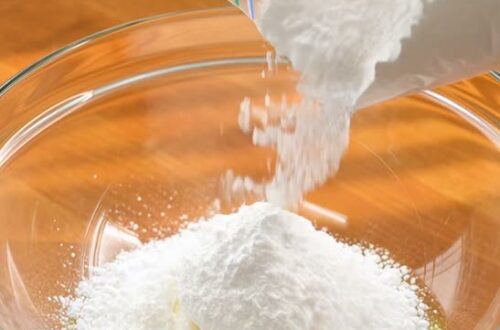
Skip expensive creams and explore a time-tested pantry ingredient for a natural skin refresh. This simple baking soda mask can help your skin feel smoother and appear more radiant, supporting a fresher, more youthful look.
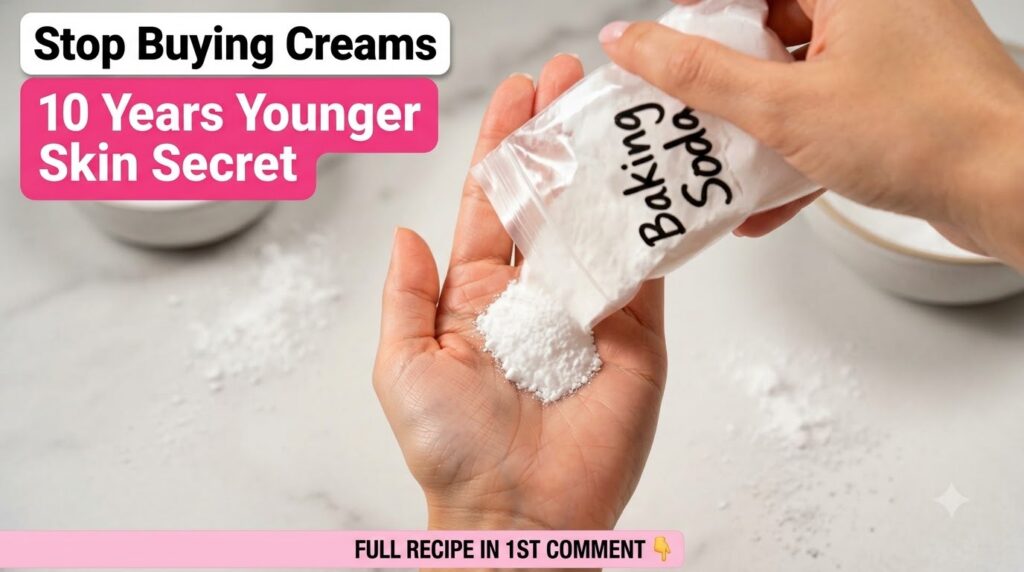
Quick Recipe
Prep time: 2 minutes
Best for: Dull skin, uneven texture, promoting a smoother appearance
Use type: Paste/Mask
Main ingredients:
- Baking soda
- Filtered water or rosewater
Ingredients
- 1 tablespoon baking soda (food-grade)
- 1-2 tablespoons filtered water, rosewater, or diluted aloe vera juice
- Optional: 1/2 teaspoon raw honey (for extra moisture)
How to Make It
- In a small, clean bowl, combine the baking soda with 1 tablespoon of your chosen liquid (water, rosewater, or diluted aloe vera).
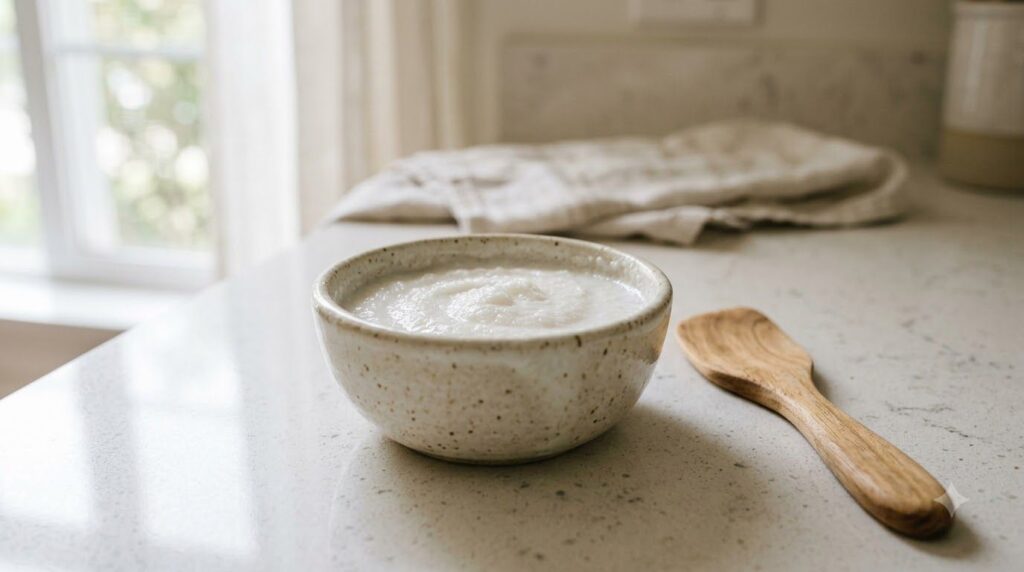
- Stir well with a clean spoon or spatula. Add more liquid, a few drops at a time, until you achieve a smooth, spreadable paste. If adding honey, mix it in now.
- Ensure the paste is not too thick to apply but not so runny that it drips.
How to Use It
- Start with a clean, makeup-free face. Gently cleanse your skin using your usual mild cleanser.
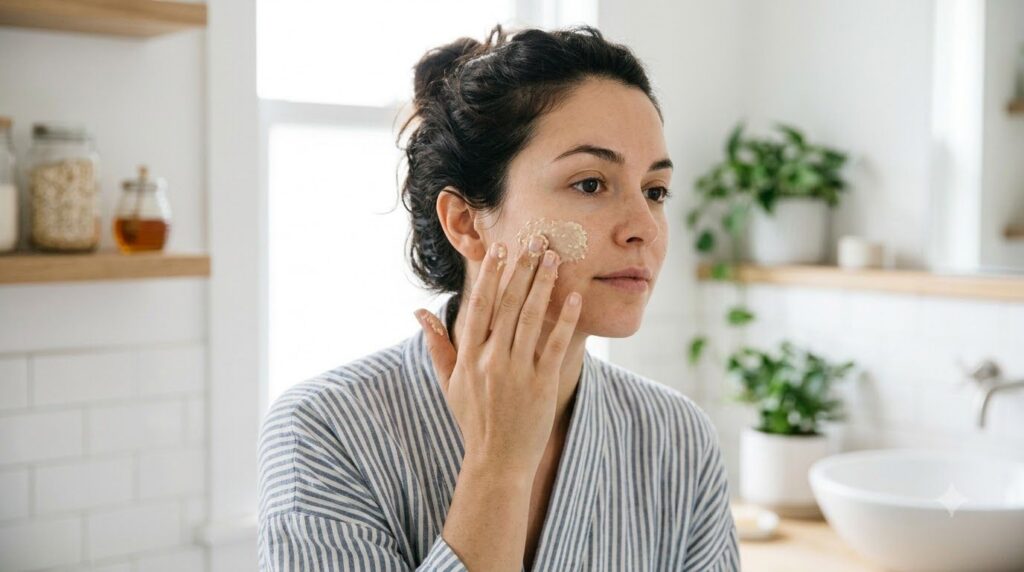
- Using clean fingertips, apply a thin, even layer of the baking soda paste to your face, avoiding the delicate eye area and lips. If desired, you can gently massage the paste onto your skin in small, circular motions for very light exfoliation (be extra gentle if you have sensitive skin).
- Leave the mask on for no more than 2-3 minutes.
- Rinse off thoroughly with lukewarm water, ensuring all traces of the paste are removed. Pat your skin dry with a soft, clean towel.
- Follow up with your favorite gentle toner and moisturizer to hydrate and soothe your skin.
How Often to Use It
Due to baking soda’s pH level, it’s best to use this mask very sparingly. We recommend using it no more than once every 1-2 weeks, or even less frequently if you have sensitive skin. Listen to your skin and adjust usage accordingly.
Why These Ingredients Are Used
Baking Soda
Baking soda, or sodium bicarbonate, has long been used in various home remedies. In skincare, it’s traditionally used for its mild abrasive qualities, which can offer a gentle polishing effect, helping to slough off dead skin cells and support a brighter-looking complexion.
Filtered Water/Rosewater/Aloe Vera Juice
These liquids serve as the base for the mask. Filtered water is a neutral option, while rosewater is known for its mild astringent and soothing properties, and diluted aloe vera juice can offer hydration and a calming feel to the skin.
Raw Honey (Optional)
Honey is a natural humectant, meaning it helps draw moisture into the skin, making it feel softer and more hydrated. It also possesses natural antibacterial properties, which can be beneficial for overall skin health.
What Results to Expect
After using this baking soda mask, your skin may feel noticeably smoother and appear more radiant. Regular, gentle use (as directed) can help to reduce the appearance of dullness, promoting a fresher and more vibrant-looking complexion that contributes to an overall youthful glow. Remember, individual results can vary.
Safety Notes
- Patch Test First: Always perform a patch test on a small, inconspicuous area of your skin (like behind the ear or on your inner arm) at least 24 hours before applying the mask to your entire face to check for any irritation or allergic reaction.
- Use Gently: Baking soda can be abrasive. Avoid harsh scrubbing, especially if your skin is delicate.
- Avoid Irritated or Broken Skin: Do not apply the mask to areas with cuts, rashes, sunburn, or any form of irritation.
- Stop if Discomfort Occurs: If you experience any stinging, burning, redness, or excessive dryness, rinse the mask off immediately and discontinue use.
- Not for Daily Use: Baking soda can alter the skin’s natural pH balance. Overuse can lead to dryness, irritation, or compromised skin barrier function. Stick to the recommended frequency.
- Eye Area: Keep the mask strictly away from your eyes and mouth.
FAQ
Is baking soda safe for all skin types?
No, baking soda is generally not recommended for very sensitive, dry, or acne-prone skin due to its alkaline pH, which can disrupt the skin’s acid mantle and lead to irritation. It’s best suited for those with oilier or more resilient skin types, used sparingly.
How does this mask help with youthful-looking skin?
The gentle exfoliation provided by baking soda can help remove dead skin cells, which often contribute to a dull complexion. By revealing fresher skin underneath, it can help the skin appear brighter, smoother, and more even-toned, contributing to a more youthful look.
Can I leave the baking soda mask on for longer to get better results?
No, leaving the mask on for longer than the recommended 2-3 minutes is not advisable. Prolonged contact with baking soda can cause excessive dryness, irritation, or even chemical burns due to its alkalinity. Stick to the brief application time for optimal and safe results.
Final Thoughts
Embracing natural remedies like this DIY baking soda mask can be a simple and affordable way to support your skin’s radiance. Remember to always prioritize gentle care and listen to your skin’s needs. Give it a try and share your experience with us!