When planning a healthy and satisfying breakfast, oats are often a go-to choice. But have you ever stopped to consider the difference between traditional rolled oats and oat bran? While both are nutritional powerhouses derived from the oat grain, they offer distinct profiles that can impact how full you feel and for how long. The fascinating truth is that even with the same number of calories, your choice between oats and oat bran might significantly affect your morning satiety.
Many people assume that ‘oats’ are a singular item, but there’s a world of difference in how various oat products behave in your body. This article dives into the key distinctions between oats and oat bran, explores their unique nutritional benefits, and helps you decide which option might best support your goals for sustained energy and fullness.
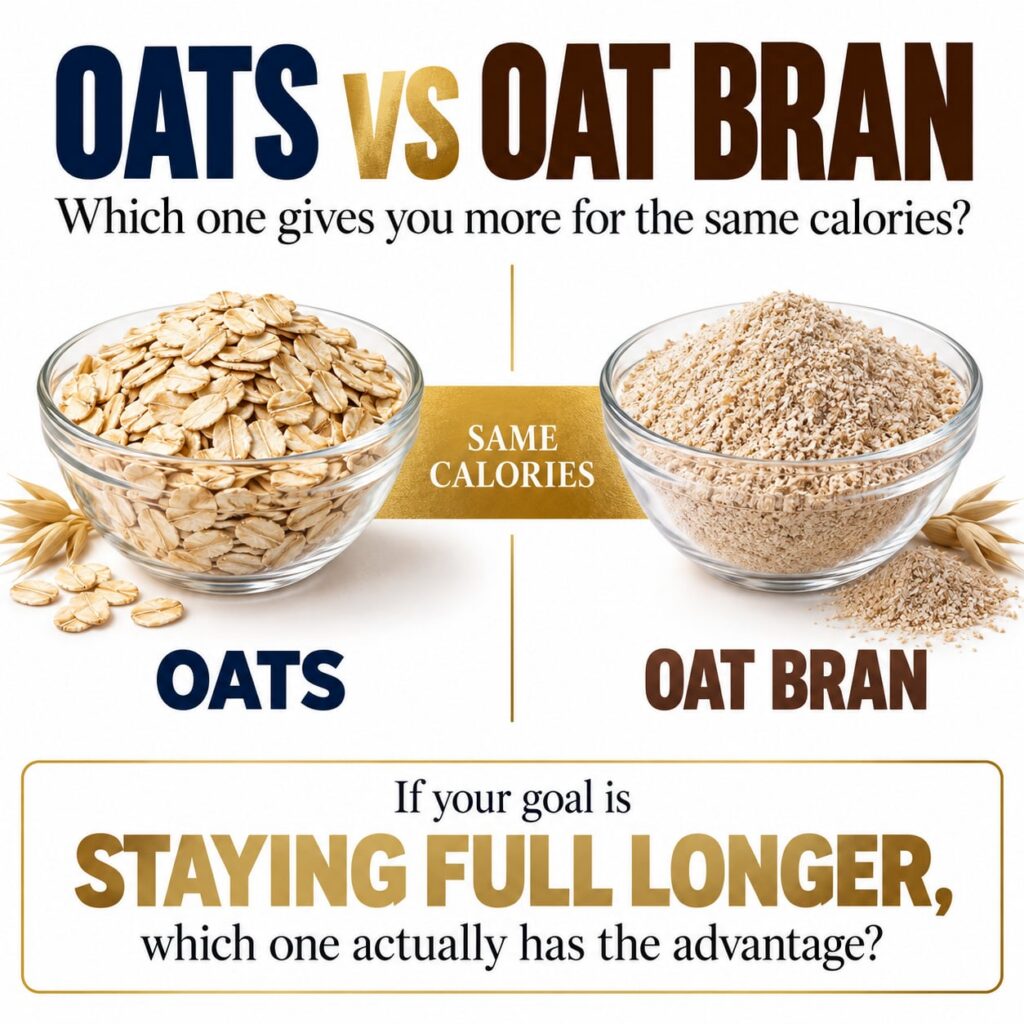 Oats and oat bran may have similar calorie counts, but their impact on satiety can differ.
Oats vs. Oat Bran: Understanding the Core Differences
To truly understand which option might keep you feeling fuller, it’s essential to first distinguish between oats and oat bran.
What Are Oats?
When we talk about ‘oats’ in general terms, we’re usually referring to the groat – the whole oat kernel that has been cleaned and husked. From this groat, various forms are produced:
- Steel-Cut Oats: The whole groat is cut into two or three pieces, leading to a chewy texture and longer cooking time.
- Rolled Oats (Old-Fashioned Oats): The groats are steamed and then rolled flat into flakes. This process makes them cook faster and gives them a softer texture.
- Quick Oats/Instant Oats: These are rolled oats that have been steamed longer and rolled even thinner, resulting in the quickest cooking time but often a mushier texture.
All these forms contain the entire oat groat, including the endosperm, germ, and bran.
What is Oat Bran?
Oat bran, on the other hand, is specifically the outer layer of the oat groat, located just beneath the inedible hull. This is the fiber-rich component of the oat grain that is separated during the milling process. Because it’s a specific part of the grain, oat bran has a distinct nutritional profile compared to whole oats, particularly in its concentration of dietary fiber.
The Secret to Staying Full: Fiber Content
The core of why one might keep you feeling fuller for longer, even with similar calories, lies in the fiber content. Both oats and oat bran are excellent sources of dietary fiber, especially soluble fiber known as beta-glucan.
How Fiber Promotes Satiety
- Slowed Digestion: Fiber, especially soluble fiber, forms a gel-like substance in the digestive tract. This slows down the rate at which food moves through your stomach and intestines, leading to a more gradual release of nutrients and sustained energy.
- Increased Volume: The gel-like substance created by soluble fiber also adds bulk to your stomach contents, which can trigger stretch receptors in the stomach and send signals of fullness to the brain.
- Blood Sugar Regulation: By slowing carbohydrate digestion, fiber helps to stabilize blood sugar levels, preventing rapid spikes and crashes that can often lead to feelings of hunger and cravings shortly after eating.
Oat Bran’s Fiber Advantage
While both are fiber-rich, oat bran generally contains a higher concentration of fiber per serving than rolled oats. This is because oat bran is the bran, which is the most fibrous part of the grain. For individuals prioritizing satiety and digestive health, oat bran can be a particularly effective choice due to its denser fiber content.
Beyond Fiber: Other Nutritional Benefits
Both oats and oat bran offer a wealth of nutrients that contribute to overall health.
- Protein: They provide a decent amount of plant-based protein, which is also crucial for satiety and muscle maintenance.
- Vitamins & Minerals: Both are good sources of B vitamins (like thiamine, folate), iron, magnesium, zinc, and phosphorus.
- Antioxidants: Oats contain unique antioxidants called avenanthramides, which have anti-inflammatory properties and may help protect against heart disease.
Essentially, you’re getting a nutritious package with either choice. The primary differentiator for sustained fullness, however, often comes down to that concentrated fiber in oat bran.
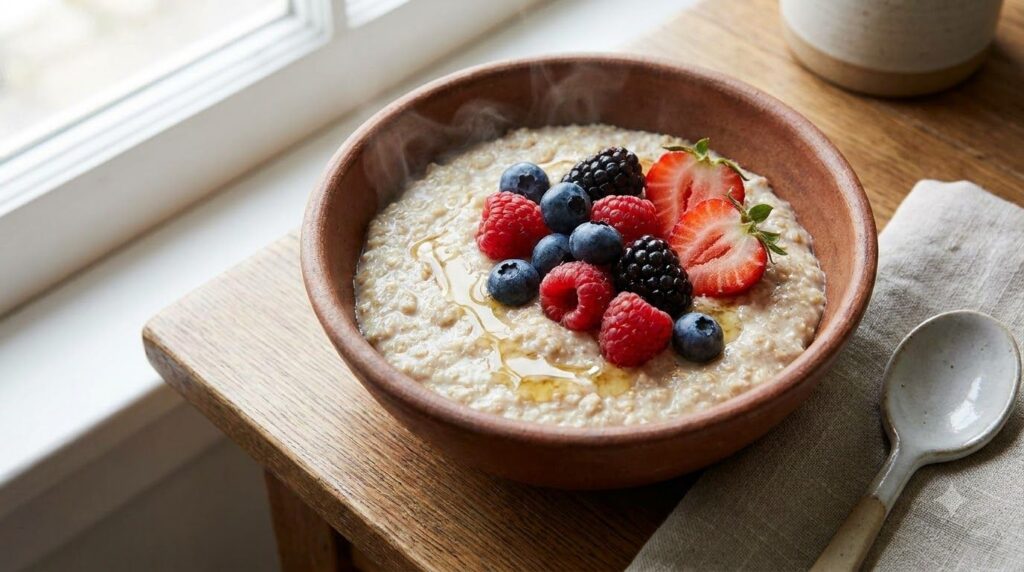 Oat bran can be prepared into a creamy porridge, offering a high-fiber start to your day.
How to Incorporate Oats and Oat Bran into Your Diet
Making either option a regular part of your diet is simple and delicious.
Delicious Ways to Enjoy Rolled Oats
- Classic Oatmeal: Cook with water or milk for a warm, comforting breakfast. Top with fruits, nuts, seeds, or a touch of sweetener.
- Overnight Oats: Combine rolled oats with milk or yogurt, chia seeds, and your favorite toppings in a jar and let it sit in the fridge overnight for an easy, grab-and-go breakfast. (Great for healthy meal prep ideas!)
- Baking: Add rolled oats to muffins, cookies, breads, or granola for added texture and nutrition.
- Smoothies: A spoonful of rolled oats can add thickness and fiber to your favorite smoothie recipes.
Maximizing Satiety with Oat Bran
- Oat Bran Porridge: Cook oat bran with milk or water for a creamy, quick-cooking porridge. Its finer texture cooks faster than rolled oats.
- Boost Your Oatmeal: Stir a tablespoon or two of oat bran into your regular rolled oatmeal to significantly boost its fiber content without changing the taste much.
- Smoothie Enhancer: Oat bran blends seamlessly into smoothies, adding soluble fiber that can help you feel full longer.
- Baking Ingredient: Replace a portion of flour in recipes like pancakes, muffins, or quick breads with oat bran for an extra fiber kick.
- Yogurt Topping: Sprinkle oat bran over yogurt with fruit for a crunchy, satisfying addition.
Choosing the Right Option for Your Goals
Both oats and oat bran are incredibly healthy additions to your diet, rich in fiber, vitamins, and minerals. However, if your primary goal is to maximize satiety and stay full for an extended period, especially on a similar calorie intake, oat bran might offer a slight edge due to its higher concentration of soluble fiber.
Ultimately, the best choice depends on your personal preferences for texture, taste, and how you plan to incorporate them into your meals. Many people enjoy combining both – using rolled oats as a base and adding a sprinkle of oat bran for an extra fiber boost.
Frequently Asked Questions About Oats and Oat Bran
Can oat bran help with weight loss?
Oat bran, due to its high fiber content and ability to promote satiety, may help support weight management by reducing overall calorie intake and preventing overeating. However, it should be part of a balanced diet and healthy lifestyle.
Is oat bran better for digestion than oats?
Both are beneficial for digestion due to their fiber content. Oat bran’s higher concentration of soluble fiber may be particularly effective in promoting regularity and supporting a healthy gut microbiome.
Can I eat oat bran every day?
Yes, consuming oat bran daily as part of a balanced diet is generally considered safe and beneficial. Ensure adequate water intake to support proper fiber digestion.
What is the best way to cook oat bran?
Oat bran cooks much faster than rolled oats. Typically, you can cook it on the stovetop with water or milk in about 1-3 minutes until it reaches a creamy consistency. A common ratio is 1/2 cup oat bran to 1 cup liquid.
Final Thoughts
Whether you prefer the hearty chew of traditional oats or the creamy, fiber-packed punch of oat bran, both options offer significant health benefits. For those aiming to maximize fullness and sustain energy throughout the morning, oat bran provides a concentrated dose of soluble fiber that can make a noticeable difference, even when consumed for the same calories as regular oats. Experiment with both, listen to your body, and discover which one helps you feel your best.
Medical Disclaimer
The information provided in this article is for general informational purposes only and does not constitute medical advice. Always consult with a qualified healthcare professional before making any changes to your diet or lifestyle, especially if you have any pre-existing health conditions or concerns.