Most people walk past it without a second thought, perhaps admiring its curious ability to fold its leaves at a touch. But this shy plant, known as the Sensitive Plant or Mimosa pudica, holds secrets that many herbalists have treasured for generations. Often overlooked, its leaves can be transformed into a calming herbal tea, a simple remedy with a rich history in traditional wellness practices. One small preparation mistake, however, can dilute its effectiveness, so knowing the right method is key to unlocking its full potential.
What It Is: Mimosa Pudica Tea
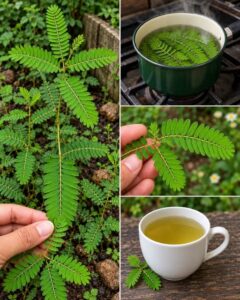
The Sensitive Plant (Mimosa pudica) is a creeping annual or perennial herb of the pea family, native to South and Central America. It’s famous for its rapid leaf-folding response to touch, warmth, or sudden light changes, a characteristic that earns it names like ‘touch-me-not’ and ‘shameplant.’ While its delicate appearance is captivating, it’s the leaves that are primarily used to create a soothing herbal infusion. This tea has been a staple in various traditional systems, valued for its potential to support relaxation and overall well-being.
Ingredients for Sensitive Plant Tea
Making Sensitive Plant tea is straightforward, focusing on one primary ingredient:
- Sensitive Plant Leaves: You can use either fresh or dried leaves.
Quick Tip: Ensure your source for Sensitive Plant leaves is clean and free from pesticides or environmental pollutants. Foraging from wild, un-sprayed areas is ideal, or sourcing from reputable organic suppliers.
Approximate Measurements
The strength of your tea can be adjusted to personal preference, but a good starting point is:
- 1-2 teaspoons of dried Sensitive Plant leaves (or 1 tablespoon of fresh, chopped leaves) per 8 oz (240ml) of water.
Formula / Recipe: Simple Sensitive Plant Infusion
This basic recipe will help you prepare a calming cup of Sensitive Plant tea.
Step-by-Step Method
- Prepare the Leaves: If using fresh leaves, gently rinse them under cool water and finely chop them to expose more surface area. If using dried leaves, no preparation is needed other than measuring.
- Heat Water: Bring 8 oz (240ml) of fresh water to a boil.
- Combine: Place the measured Sensitive Plant leaves into a tea infuser, teapot, or directly into your cup.
- Pour and Steep: Pour the hot water over the leaves.
- Steep: Allow the tea to steep for 5-10 minutes. For a stronger brew, steep longer.
- Strain and Serve: Remove the infuser or strain the leaves from the tea. Serve warm. You can add a touch of honey or lemon if desired, though many prefer its natural, earthy flavor.
How to Use Sensitive Plant Tea
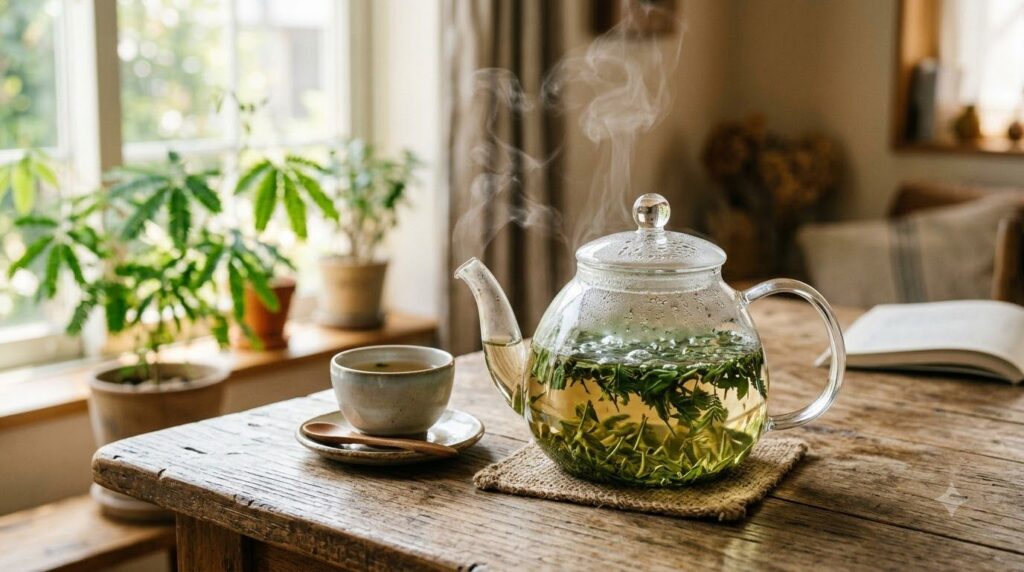
Sensitive Plant tea is typically consumed as a warm beverage. It can be enjoyed on its own or as part of a calming evening routine. Its mild, earthy flavor makes it palatable for most. Some people drink it before bed to aid relaxation.
How Often to Use It
For general wellness, one cup of Sensitive Plant tea per day is a common recommendation. You might adjust this based on individual response and purpose. It’s always wise to start with a smaller amount and observe how your body responds.
How to Buy / How to Choose Ingredients
Sourcing quality Sensitive Plant leaves is crucial:
- Foraging: If you forage, be absolutely certain of plant identification. Avoid areas that may have been sprayed with herbicides or pesticides.
- Online Retailers: Look for reputable herbal suppliers who specify organic or wild-harvested Mimosa pudica leaves. Check reviews and certifications.
- Local Herb Shops: Some specialty herb shops may carry dried Mimosa pudica leaves.
Fresh vs. Dried Sensitive Plant Leaves
| Feature | Fresh Leaves | Dried Leaves |
|---|---|---|
| Potency | Often considered more potent due to immediate use. | Concentrated, easier to measure for consistent strength. |
| Availability | Seasonal; requires growing or foraging. | Available year-round from suppliers. |
| Storage | Perishable; use quickly or dry. | Long shelf life if stored properly. |
| Preparation | Requires rinsing and chopping. | Ready to use. |
| Flavor | Fresher, sometimes more herbaceous. | Milder, earthy, consistent. |
Storage
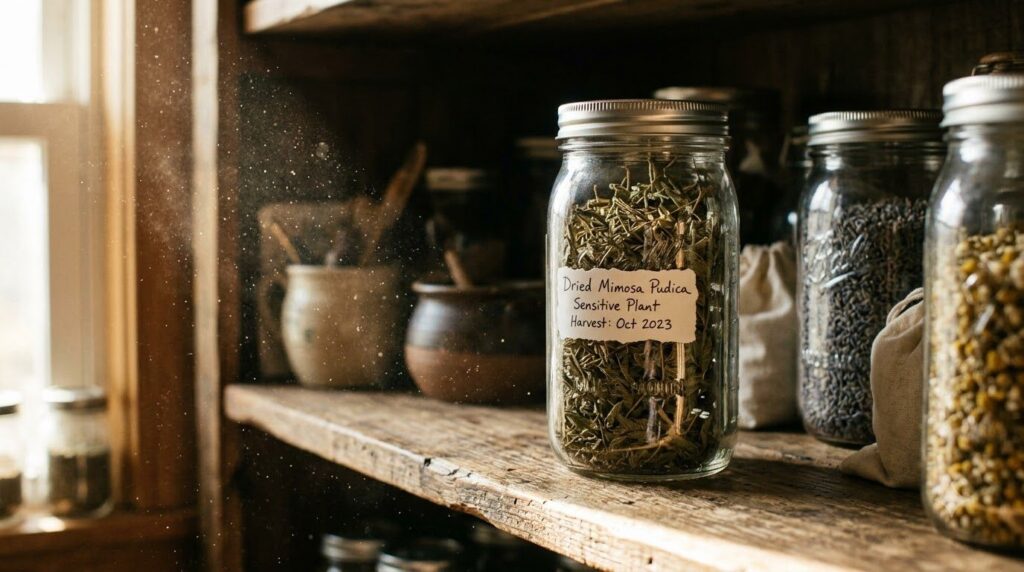
- Dried Leaves: Store in an airtight container away from direct sunlight, heat, and moisture. A cool, dark pantry is ideal. Properly stored, dried leaves can last for up to one year.
- Prepared Tea: Brewed tea is best consumed fresh. If you have leftovers, store them in a sealed container in the refrigerator for no more than 24-48 hours. Reheat gently or enjoy chilled.
Practical Tips
- Gentle Harvest: If harvesting fresh, be gentle with the plant to encourage regrowth. Only take a portion of its leaves.
- Temperature Matters: While boiling water is used, avoid excessive re-boiling, which can diminish the delicate compounds.
- Listen to Your Body: Pay attention to how you feel after consuming the tea. Adjust frequency or strength as needed.
Common Mistakes
- Incorrect Plant Identification: This is perhaps the most critical mistake. Always be 100% certain you have identified Mimosa pudica correctly before consumption.
- Using Contaminated Plants: Harvesting from roadsides or areas sprayed with chemicals can introduce harmful substances into your tea.
- Boiling Too Long: While steeping, prolonged boiling of the leaves directly in water can degrade some beneficial compounds. Infusion (pouring hot water over leaves) is preferred.
- Improper Storage: Exposing dried leaves to light, air, or moisture will reduce their potency and shelf life.
- Overconsumption: While generally mild, overdoing any herbal remedy isn’t advisable. Stick to recommended amounts.
Cautions / Who Should Avoid It
While Sensitive Plant tea is generally considered safe for most adults, some precautions are necessary:
- Pregnancy and Breastfeeding: There is insufficient research on its safety during pregnancy and breastfeeding. It’s best to avoid use during these periods.
- Children: Consult a healthcare professional before giving to children.
- Surgery: Due to potential effects on blood clotting, discontinue use at least two weeks before any scheduled surgery.
- Medication Interactions: If you are on any medication, especially those for blood sugar, blood pressure, or sedatives, consult your doctor before incorporating Sensitive Plant tea into your routine.
- Allergies: If you have allergies to plants in the pea family (Fabaceae), exercise caution.
Quick Summary
Sensitive Plant (Mimosa pudica) tea is a simple, traditional herbal infusion. It’s best prepared by steeping 1-2 teaspoons of dried leaves in hot water for 5-10 minutes. Use once daily for general wellness and store dried leaves in an airtight, dark place. Avoid using if pregnant, breastfeeding, or before surgery. Always ensure correct plant identification and source from reputable, clean suppliers.
You may also like: The Essential Guide to Herbal Tea Benefits
FAQ
- Can I use fresh or dried Sensitive Plant leaves?
Yes, both fresh and dried leaves can be used. Adjust quantities accordingly (more fresh than dried). - How long does Sensitive Plant tea last once brewed?
It’s best consumed fresh. Leftovers can be refrigerated for up to 24-48 hours. - What part of the Sensitive Plant is best for tea?
The leaves are primarily used for making tea. - How often should I drink Sensitive Plant tea?
One cup per day is a common recommendation for general wellness. - Can I grow my own Sensitive Plant?
Yes, Mimosa pudica can be grown from seeds in suitable climates or as a houseplant. - Are there any side effects?
Generally well-tolerated, but consult cautions regarding pregnancy, medications, and allergies. - When is the best time to drink it?
Many find it beneficial in the evening due to its potential calming properties.
Read more: Natural Remedies for Better Sleep
Conclusion
The Sensitive Plant, with its charming response to touch, offers more than just botanical curiosity. Its leaves, when properly prepared as a tea, provide a connection to traditional wellness practices. By understanding its simple preparation, usage, and necessary precautions, you can explore the gentle, hidden powers of this unassuming plant and incorporate a touch of nature’s wisdom into your daily routine. Respect its natural properties, and it may become a cherished addition to your herbal repertoire.
Continue with: Your Guide to DIY Herbal Infusions