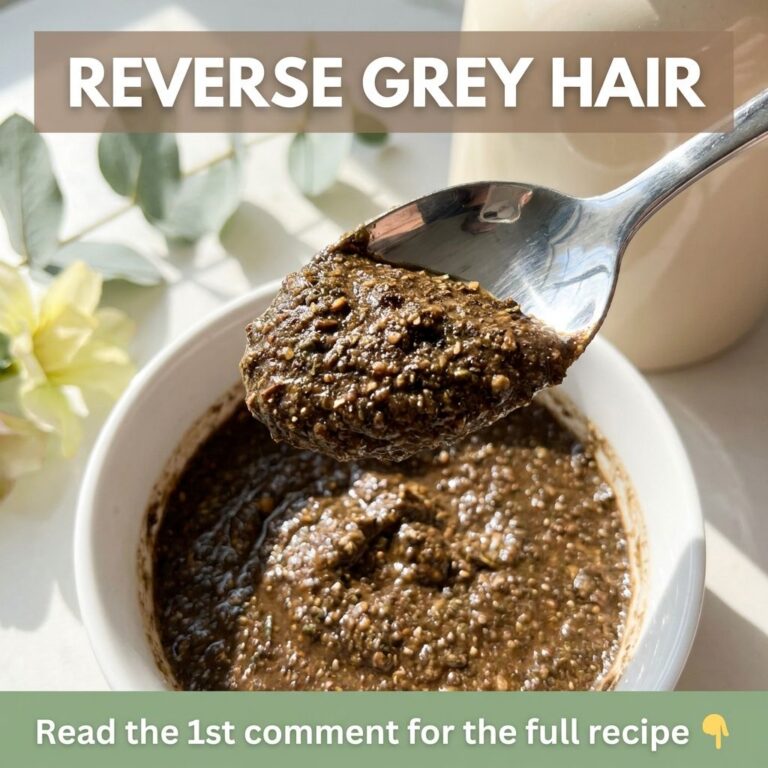
Are you tired of constantly reaching for chemical dyes to cover up those stubborn grey roots? Many of us are looking for gentler, more natural alternatives to refresh our look and manage grey hair without the commitment or harshness of traditional treatments. Good news: a simple, all-natural paste is getting a lot of attention for precisely this reason!
The Growing Trend of Natural Hair Solutions
In the world of beauty, there’s a strong movement towards embracing natural ingredients and DIY methods. People are increasingly seeking options that are kind to their hair, their bodies, and their wallets. When it comes to grey hair, this means exploring alternatives to synthetic dyes that often contain chemicals like ammonia and peroxide, which can sometimes lead to dryness, damage, or scalp irritation.
This simple, all-natural paste is gaining popularity as people explore gentler ways to refresh their look and blend grey roots without these harsh chemicals. It’s an exciting development for anyone wanting to maintain a vibrant appearance using ingredients found in nature.
What Makes Up a “Natural Paste” for Hair?
While specific recipes can vary widely, natural hair pastes often combine ingredients known for their conditioning properties, ability to deposit color, or enhance hair’s natural pigments. Some common components you might find or hear about include:
- Herbs and Botanicals: Ingredients like henna, indigo, amla, bhringraj, and hibiscus are frequently used. Henna, for example, is well-known for its red-orange dye, while indigo can help achieve darker, browner tones when combined with henna.
- Coffee and Teas: Strongly brewed coffee or black tea can offer temporary darkening effects for brown and black hair, helping to camouflage grey strands.
- Nutrient-Rich Powders: Amla (Indian gooseberry) is often added for its conditioning and hair-strengthening benefits, which can also help maintain hair health.
- Natural Liquids: Water, apple cider vinegar, or even natural oils might be used to mix the powders into a smooth, applicable paste.
The beauty of these natural approaches is that they often nourish the hair while subtly enhancing its color, rather than stripping it and re-depositing synthetic pigments.
How People Are Using These Pastes (General Approach)
While the exact method will depend on the specific recipe, here’s a general idea of how someone might prepare and apply a natural hair paste:
- Gather Ingredients: Collect the chosen natural powders (like henna, indigo, amla) and mixing liquids.
- Mix the Paste: Combine the ingredients to form a smooth, thick consistency similar to yogurt or pudding. Some ingredients, like henna, might need several hours to ‘dye release’ before application.
- Prepare Hair: Ensure hair is clean and towel-dried. Wearing gloves is recommended to prevent staining hands.
- Apply Evenly: Section the hair and apply the paste thoroughly to the grey roots, or to all hair if aiming for an overall color refresh.
- Allow to Process: The paste typically needs to sit on the hair for a period, often 1-3 hours, depending on the desired intensity and the ingredients used.
- Rinse and Condition: Rinse the hair thoroughly until the water runs clear. A light, natural conditioner might be used afterwards.
It’s important to remember that natural color results can be more subtle and build up over time compared to chemical dyes. The final shade can also depend on your natural hair color and porosity.
Benefits of Exploring Natural Grey Hair Solutions
Why are so many people drawn to this popular beauty routine? The benefits are compelling:
- Gentler on Hair: Natural ingredients are generally less harsh, often conditioning the hair rather than damaging it.
- Cost-Effective: DIY solutions can be significantly more affordable than salon treatments or commercial chemical dyes.
- Fewer Harsh Chemicals: You have control over what goes into your paste, avoiding common irritants and synthetic compounds.
- Subtle, Natural-Looking Results: These pastes often provide a more blended, natural transition for grey hair rather than a stark, uniform color.
- Empowering DIY: There’s a satisfaction in creating your own beauty solutions tailored to your needs.
Before You Try This: Important Considerations
While natural, it’s always wise to proceed with care:
- Patch Test: Always perform a patch test on a small, inconspicuous area of skin (like behind your ear) 24-48 hours before full application to check for any allergic reactions.
- Strand Test: If you’re new to natural hair coloring, a strand test on a small section of hair can help you gauge the color result before applying it all over.
- Research Recipes: Thoroughly research specific recipes and ingredient combinations, especially for desired color outcomes.
- Patience is Key: Natural methods often require more patience and consistency to achieve and maintain results.
Exploring natural ways to refresh your grey hair can be a rewarding journey. This simple natural paste offers a promising path for those seeking a gentler, more holistic approach to their beauty routine. As always, ‘BEAUTY 2’ is here to guide you through popular beauty trends and natural solutions!