Are you one of the many who finds visible warts a bit bothersome, affecting the smooth appearance of your skin? It’s a common concern, and while warts are generally harmless, their presence can sometimes make us feel a little less confident about our skin’s look and feel. What if there was a surprisingly simple, natural approach, perhaps even hiding in your fruit bowl, that many people turn to for gently improving their skin’s appearance?
Today, we’re peeling back the layers on a time-honored, natural method that some believe can help with those persistent little skin challenges. Get ready to discover how a humble banana might just become your new favorite natural wellness ally.
Why This Matters: Seeking Gentle Solutions for Skin Bumps
Warts are small, rough growths on the skin caused by the human papillomavirus (HPV). They are quite common and can appear almost anywhere on the body, though they’re often found on hands, feet, and fingers. While medical treatments are readily available, many individuals prefer to explore natural wellness options first, seeking remedies that are gentle, accessible, and align with a holistic lifestyle.
The appeal of a home-based solution like the banana peel method lies in its simplicity and the satisfaction of using something straight from nature. People are drawn to natural remedies for their perceived lack of harsh chemicals and the comfort of trying a method that has been passed down through generations. It’s a testament to our ongoing curiosity about the power of everyday natural ingredients to support our well-being and skin health.
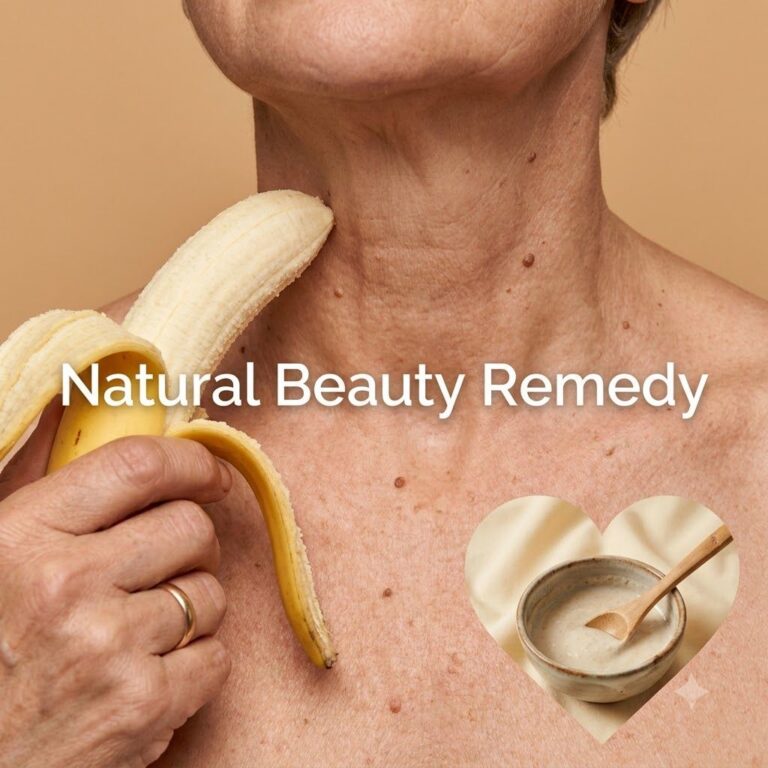
The Banana Peel Approach: A Traditional Natural Remedy
For generations, the banana peel has been a whispered secret in the world of natural home remedies for various skin issues, including warts. But how could a simple banana peel possibly help?
Traditional Beliefs & Proposed Mechanisms
While scientific research directly proving banana peels cure warts is limited, traditional use and anecdotal reports often point to several potential reasons why this remedy might be effective:
- Enzymatic Action: Banana peels contain enzymes, particularly proteolytic enzymes, which are believed to help break down and dissolve the wart tissue over time.
- Moisture and Occlusion: Applying a banana peel to the wart can create a moist, occlusive (airtight) environment. This constant moisture may soften the wart, making it easier for the body to shed it. The occlusion might also deprive the wart of oxygen, potentially hindering its growth.
- Potassium Content: Bananas are rich in potassium. While not fully understood in this context, some theories suggest that the nutrients in the peel may play a role in supporting skin health and regeneration.
- Gentle Irritation: The natural compounds in the peel might provide a mild, non-abrasive irritation that could signal the body’s immune system to target the wart.
It’s important to understand that this is largely based on traditional wisdom and personal experiences. Consider it a gentle, supportive approach rather than a guaranteed cure.
Your Practical Guide to the Banana Peel Routine
If you’re curious to try this natural method, here’s a simple, step-by-step guide to incorporating banana peels into your natural wart care routine:
What You’ll Need:
- A ripe banana (greenish peels are sometimes preferred for their thicker texture, but a ripe one works too).
- Medical tape or a bandage.
- Clean hands.
Step-by-Step Application:
- Clean the Area: Gently wash the wart and the surrounding skin with mild soap and water. Pat dry thoroughly.
- Prepare the Peel: Cut a small piece of banana peel, just slightly larger than the wart itself. You’ll want the inner, white part of the peel to be in direct contact with the wart.
- Apply the Peel: Place the inner side of the banana peel directly onto the wart.
- Secure It: Use medical tape or a bandage to firmly hold the banana peel in place. Ensure it’s secure enough that it won’t slip off, but not so tight that it cuts off circulation.
- Leave Overnight: The best time to apply is before bed, allowing the peel to work undisturbed for several hours while you sleep.
- Repeat Daily: In the morning, remove the peel and discard it. You can wash the area and allow it to air out for a bit. Apply a fresh piece of banana peel each night.
Tips for Best Results:
- Consistency is Key: Like many natural remedies, patience and consistent daily application are crucial. It may take several weeks or even months to see noticeable changes.
- Observe Your Skin: Pay attention to how your skin reacts. If you experience any irritation, stop use immediately.
- Combine with Other Habits: Support your overall skin health by eating a balanced diet and staying hydrated.
Safety & Precautions: What You Should Know
While the banana peel method is generally considered safe and gentle for most people, it’s always wise to proceed with caution and be aware of potential considerations:
- Skin Irritation: Although rare, some individuals may experience mild skin irritation, redness, or itching. If this occurs, discontinue use.
- Allergies: If you have a known allergy to bananas or latex (which can be present in some fruits), avoid this remedy.
- Open Wounds or Broken Skin: Do not apply banana peel to open wounds, bleeding warts, or broken skin, as this could increase the risk of infection.
- Existing Medical Conditions: If you have diabetes, compromised circulation, or any other underlying medical condition that affects skin healing, consult your healthcare professional before trying any home remedies.
- Consult a Healthcare Professional: This natural method is not a substitute for professional medical advice or treatment. If your wart changes in appearance, becomes painful, bleeds, or if you’re unsure about the nature of a skin growth, it’s always best to consult a doctor or dermatologist. They can provide an accurate diagnosis and recommend appropriate treatment options.
Remember, natural remedies are meant to support your well-being, not replace professional medical care.
Key Takeaways for Natural Wart Care
- Banana peels are a traditional, natural home remedy for warts, often chosen for their gentle approach.
- The proposed mechanisms include enzymatic action, moisture, and creating an occlusive environment to help soften and shed wart tissue.
- Consistency is vital, with daily overnight application recommended for several weeks.
- Always practice caution: discontinue use if irritation occurs and do not apply to broken skin.
- This method is supportive care and not a substitute for professional medical advice, especially for persistent, painful, or changing warts.
FAQ: Your Questions About Banana Peel for Warts
Q1: How long does it take for banana peel to work on warts?
A1: The timeframe can vary greatly from person to person. Some might see changes within a few weeks, while for others, it could take several months of consistent daily application. Patience is key with natural remedies.
Q2: Can I use any part of the banana peel?
A2: Most people recommend using the inner, white part of the banana peel directly against the wart. Some traditions suggest greener peels due to their perceived higher enzyme content, but ripe peels are also commonly used.
Q3: What if I don’t see any results?
A3: If after a consistent period (e.g., 2-3 months) you don’t see any improvement, or if the wart grows or changes, it’s advisable to consult a healthcare professional. Not all remedies work for everyone, and a doctor can offer other treatment options.
Q4: Is it safe for children?
A4: While banana peels are generally gentle, it’s always best to consult a pediatrician or dermatologist before using any home remedies on children’s skin, especially for warts. Their skin can be more sensitive.
Q5: Can I reuse the same piece of banana peel?
A5: No, it’s best to use a fresh piece of banana peel each time you apply it. This ensures maximum potency of the enzymes and minimizes any bacterial growth.
Q6: Does the type of banana matter?
A6: Most proponents of this remedy suggest using common yellow Cavendish bananas. The exact type is generally not considered critical, but ensure it’s ripe enough to be pliable but not overly mushy.
Related Reading You May Enjoy
If you’re interested in more natural ways to support your skin and overall well-being, explore these related topics:
- The Power of Tea Tree Oil: Natural Solutions for Skin & Home
- DIY Skincare: Simple Recipes for a Radiant Complexion
- Boosting Your Immune System Naturally: Foods & Habits
- Herbal Allies for Healthy Skin: A Guide to Botanical Beauty
- Understanding Anti-Inflammatory Foods for Overall Wellness