Are you dreaming of a bountiful potato harvest, with plump, healthy tubers ready for your kitchen? What if we told you there’s a simple, natural secret that many experienced gardeners swear by? It’s inexpensive, eco-friendly, and can significantly boost your yield while keeping your plants healthy: wood ash!
Many of us already enjoy cozy fires or outdoor bonfires, but often overlook the valuable byproduct—wood ash. Instead of discarding it, you can transform this seemingly humble material into a powerful ally for your potato patch. Let’s dig into why wood ash is a gardener’s best friend, especially for potatoes, and how to use it effectively.
The Power of Wood Ash for Potatoes
Wood ash is much more than just leftover soot. It’s a treasure trove of essential nutrients that can dramatically improve your soil and the health of your potato plants. Here’s what makes it so special:
Rich in Potassium
Potatoes are heavy feeders, and potassium (K) is crucial for their development. It plays a vital role in tuber formation, helping them grow larger and healthier. Wood ash is an excellent source of natural potassium, often containing 3-7% soluble potassium. This makes it an organic and readily available fertilizer for your hungry potato plants.
Balances Soil pH
Wood ash is alkaline, meaning it has a high pH. Many soils, especially those in areas with high rainfall, can become acidic over time. Potatoes generally prefer slightly acidic to neutral soil (pH 5.0-7.0), but if your soil is overly acidic, wood ash can help raise the pH, creating a more favorable environment for growth. However, it’s crucial to know your soil’s current pH before applying to avoid making it too alkaline.
Protects Against Pests and Diseases
The natural compounds and alkalinity in wood ash can also help deter certain soil-borne pests and diseases. A healthier, more robust plant, bolstered by proper nutrition, is naturally more resistant to common garden ailments. Additionally, some gardeners find it helps create an unfavorable environment for slugs and snails.
How to Use Wood Ash in Your Potato Patch
While wood ash is beneficial, proper application is key to maximizing its benefits without harming your plants. Here’s a simple guide:
1. Source Your Ash Wisely
- Only use ash from untreated wood. Ash from treated lumber, charcoal briquettes, or colored paper can contain harmful chemicals that you do not want in your garden soil.
- Ensure the ash is completely cooled before handling and applying.
2. Know Your Soil
- It’s highly recommended to perform a soil test before applying wood ash. This will tell you your current soil pH and nutrient levels. If your soil is already alkaline (pH above 7.0), adding wood ash is not recommended, as it could raise the pH too high for potatoes, leading to nutrient deficiencies.
3. Application Methods
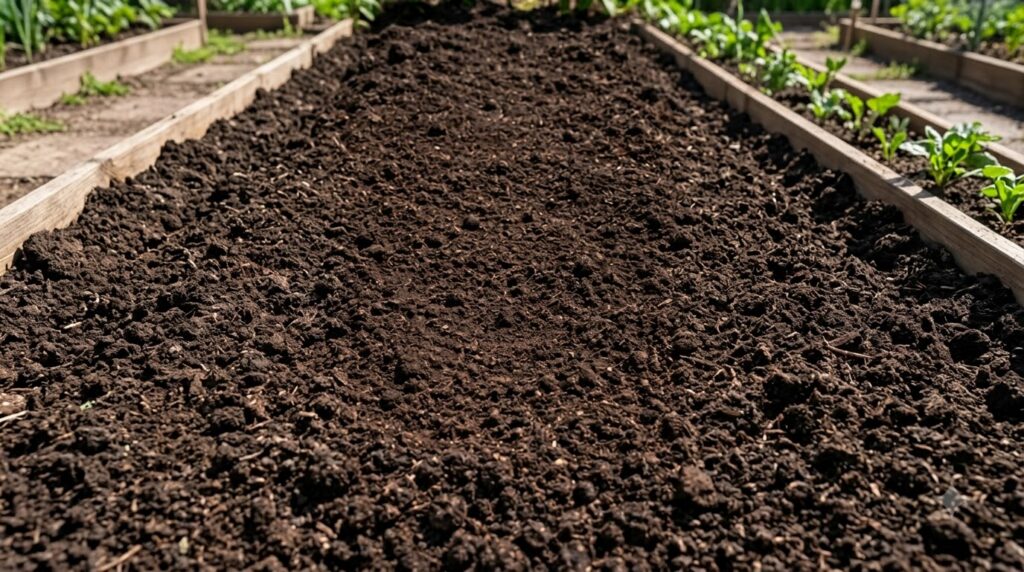
- Before Planting (Most Recommended): Incorporate wood ash into the soil about 1-2 weeks before planting your potato seeds. Spread a thin layer (approximately 1/2 to 1 cup per 10 square feet) and gently rake it into the top 4-6 inches of soil. This gives the ash time to integrate and adjust the pH before the potatoes are introduced.
- Side Dressing: For established plants, you can lightly sprinkle a small amount of wood ash around the base of the plants, being careful not to let it pile up against the stems. Water it in immediately to help the nutrients seep into the soil. This is best done sparingly and only if your soil test indicates a need for a pH boost or potassium.
4. Don’t Overdo It!
More is not always better. Excessive wood ash can drastically increase soil pH, making it difficult for plants to absorb essential nutrients. Start with small amounts and observe your plants’ response. Always err on the side of caution.
General Tips for a Bountiful Potato Harvest
While wood ash is a fantastic natural boost, a successful potato harvest also relies on good basic gardening practices:
- Sunny Spot: Potatoes need at least 6-8 hours of direct sunlight per day.
- Well-Draining Soil: They thrive in loose, well-draining soil rich in organic matter. Compacted, waterlogged soil can lead to rot.
- Consistent Watering: Keep the soil consistently moist, especially during flowering and tuber formation. Avoid extreme fluctuations in moisture.
- Hilling: As the potato plants grow, ‘hill’ soil up around the stems. This protects developing tubers from sunlight (which can turn them green and inedible) and encourages more tuber growth.
- Crop Rotation: Rotate your potato crops each year to help prevent soil-borne diseases and pest buildup.
- Pest and Disease Monitoring: Regularly check your plants for signs of pests or diseases and address them promptly using organic methods if possible.
Conclusion
Harnessing the natural power of wood ash is a simple yet effective way to give your potato plants a significant advantage. By enriching your soil with potassium and helping to balance pH, you’re paving the way for a healthier, more abundant harvest. Remember to use it judiciously, combine it with good gardening practices, and soon you’ll be enjoying your very own homegrown, delicious potatoes!
Happy gardening!