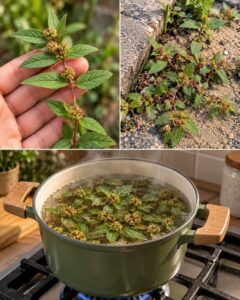
Most gardeners see it as a persistent nuisance, a ‘weed’ to be pulled and discarded without a second thought. But what if that common plant, with its succulent leaves and vibrant stems, holds a surprising secret for your well-being? This isn’t just a garden intruder; it’s purslane, a resilient herb valued in traditional wellness practices for centuries.
Long before it was dismissed as a weed, purslane (Portulaca oleracea) was cherished as a nutrient-dense food and a versatile herbal ally. Its robust growth means it’s often readily available, making it an accessible option for those seeking natural support. Forget expensive supplements; the power might be right under your feet.
What It Is: The Resilient Purslane
Purslane is an annual succulent plant characterized by its reddish stems and small, thick, fleshy leaves. It typically grows low to the ground, spreading outwards. Often found thriving in gardens, cracks in pavements, and disturbed soils, its widespread presence belies its nutritional and remedial value. It’s often referred to as a ‘superfood weed’ due to its impressive profile, including omega-3 fatty acids, vitamins, and minerals.
Ingredients for Your Purslane Remedy
For most simple home remedies, the star ingredient is, of course, fresh purslane. While it can be dried, fresh purslane offers the most vibrant nutrient content and is typically easier to harvest and use for immediate application.
- Fresh Purslane: Approximately 1-2 cups, loosely packed. Ensure it’s organically grown and free from pesticides or herbicides.
- Water (for tea/infusion): 2 cups filtered water.
- Optional additions: A squeeze of lemon or a drizzle of honey if consuming as a tea, or a carrier oil like olive oil for topical applications.
Formula / Recipe: Simple Purslane Infusion
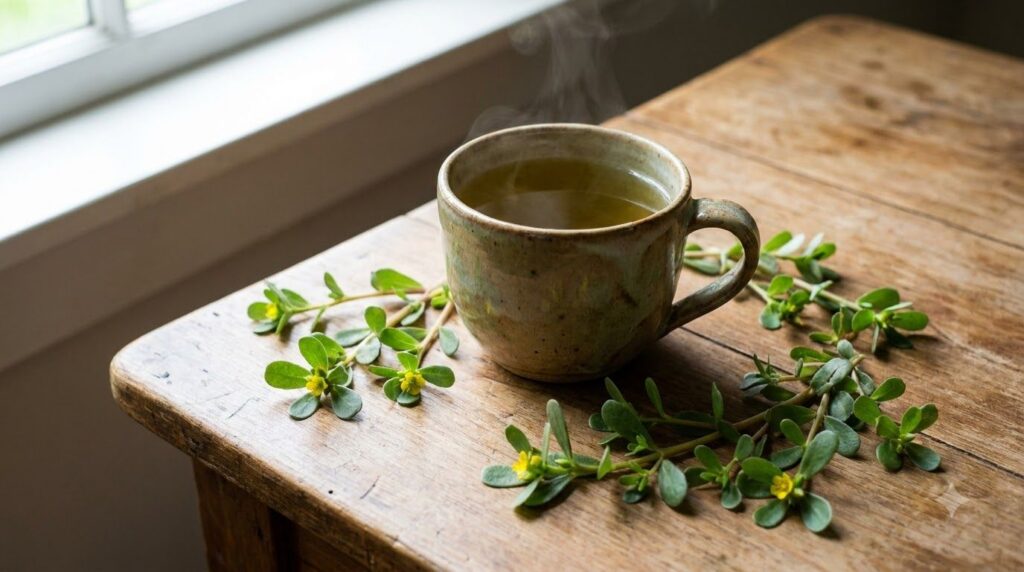
One of the easiest ways to harness purslane’s benefits is through a simple infusion or tea. This method allows you to extract its water-soluble compounds for internal use. For topical use, a fresh poultice can be made.
For Purslane Tea:
- Rinse 1 cup of fresh purslane thoroughly under cold water.
- Chop the purslane roughly.
- Bring 2 cups of filtered water to a boil.
- Pour the boiling water over the chopped purslane in a heat-proof mug or jar.
- Cover and let steep for 10-15 minutes.
- Strain the liquid, discarding the plant material.
For a Topical Purslane Poultice:
- Rinse 1/2 cup of fresh purslane thoroughly.
- Crush or finely chop the purslane until it forms a pulpy paste. You can use a mortar and pestle or a clean food processor.
- Apply the paste directly to the desired skin area.
Step-by-Step Method: From Garden to Remedy
- Harvesting: Choose young, tender plants, ideally in the morning after the dew has dried. Look for vibrant green leaves and firm, reddish stems. Avoid plants with yellowing leaves or signs of disease.
- Cleaning: Rinse harvested purslane thoroughly under cold running water to remove any soil, insects, or debris.
- Preparation:
- For Tea/Infusion: Chop the entire plant (leaves and stems) into 1-inch pieces.
- For Poultice: Finely chop or crush the fresh plant material into a paste.
- Application (Tea): Drink the warm infusion. You can add a natural sweetener if desired.
- Application (Poultice): Apply the fresh paste directly to the skin. Cover with a clean cloth or bandage if needed to keep it in place.
Quick Tip: Identify Before You Harvest
Before foraging any wild plant, always be 100% certain of its identity. Purslane can sometimes be confused with prostrate spurge (Euphorbia prostrata), which is toxic. Spurge has milky sap when its stem is broken, while purslane does not.
How to Use It
- Internally (Tea/Food): The tea can be consumed to support general well-being. Fresh purslane can also be added raw to salads, sandwiches, or smoothies for a nutrient boost. It has a slightly tart, lemony, and peppery taste.
- Externally (Poultice): The fresh, crushed plant material can be applied as a poultice to minor skin irritations, insect bites, or areas needing soothing.
How Often to Use It
For purslane tea, one cup daily is a common practice for general wellness. For topical applications, a poultice can be applied 1-2 times daily as needed for up to a few days. As with any natural remedy, observe how your body responds and adjust accordingly.
How to Choose / Buy Ingredients
The best way to get purslane is often to forage it yourself from a known, clean environment. If foraging, ensure the area has not been treated with pesticides or herbicides, and is far from heavy traffic or industrial pollution. Look for healthy, vibrant green plants with no signs of wilting or damage.
If buying, check farmer’s markets or specialty grocery stores that carry wild edibles. Always ask about their sourcing and growing practices to ensure you’re getting a clean product. Freshness is key, so choose firm, bright green leaves and crisp stems.
Storage
- Fresh Purslane: Store fresh purslane in a plastic bag in the refrigerator for up to 3-5 days, similar to other leafy greens. Do not wash until ready to use to prolong freshness.
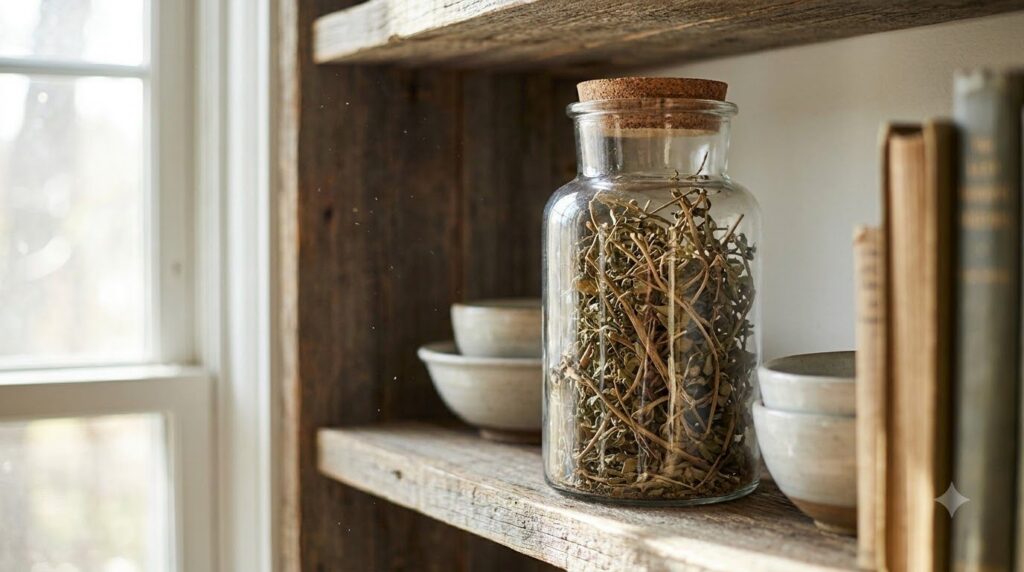
- Dried Purslane: While less common, purslane can be dried. Spread clean leaves and stems on a screen in a well-ventilated, shaded area until crisp. Store in an airtight container away from direct light and humidity for up to 6 months. Dried purslane is best for teas or powdered applications.
- Purslane Tea: The freshly prepared tea is best consumed immediately. It can be stored in the refrigerator for up to 24 hours, but its potency may diminish.
Practical Tips for Purslane Use
- Harvest Young: Younger purslane leaves are often more tender and have a milder flavor, making them ideal for raw consumption.
- Wash Thoroughly: Even if foraged from a clean area, a thorough wash is essential to remove any lingering soil or tiny insects.
- Incorporate into Meals: Don’t limit it to remedies; add fresh purslane to your daily diet. It pairs well with feta cheese, tomatoes, and cucumber in salads.
- Taste Test: The flavor can vary. Taste a small piece before using a large quantity to ensure it suits your palate.
Common Mistakes
- Misidentification: As mentioned, confusing purslane with toxic spurge is the most critical mistake. Always confirm your identification.
- Using Sprayed Plants: Harvesting from areas treated with pesticides or herbicides can introduce harmful chemicals into your remedy.
- Over-boiling: For tea, simply infusing with hot water is sufficient. Boiling purslane too vigorously or for too long can degrade sensitive nutrients.
- Improper Storage: Leaving fresh purslane out at room temperature will cause it to wilt quickly and lose its potency.
Fresh vs. Dried Purslane: A Quick Comparison
| Feature | Fresh Purslane | Dried Purslane |
|---|---|---|
| Texture | Crisp, succulent | Brittle |
| Flavor | Slightly tart, peppery | Milder, earthy |
| Best Use | Salads, smoothies, poultices, fresh tea | Hot tea, tinctures, powdered supplements |
| Nutrient Profile | Higher in water-soluble vitamins, Omega-3s | Retains some minerals, less potent on certain vitamins |
| Storage Life | 3-5 days refrigerated | Up to 6 months (airtight, dark) |
Cautions / Who Should Avoid It
While generally safe for most people when consumed in moderate amounts, there are a few considerations:
- Oxalates: Purslane contains oxalates, which can contribute to kidney stone formation in susceptible individuals. If you have a history of kidney stones, consult with a healthcare professional before consuming purslane regularly. Cooking can reduce oxalate content.
- Pregnancy and Breastfeeding: Limited research is available regarding purslane’s safety during pregnancy and breastfeeding. It’s best to err on the side of caution and consult a doctor.
- Medication Interactions: If you are on diuretics or blood thinners, discuss purslane consumption with your doctor, as it has natural diuretic properties and Vitamin K.
Quick Summary
Purslane is a nutritional powerhouse hiding in plain sight. It can be easily harvested (with careful identification) and used fresh in salads or as a tea. Its benefits range from supporting general wellness to soothing skin irritations. Remember to always use clean, unsprayed plants and store fresh purslane in the refrigerator. If you have kidney concerns or are pregnant, consult a professional.
You may also like: DIY Dandelion Root Coffee Substitute
FAQ
- Can I use fresh or dried purslane for tea? Both can be used, but fresh purslane generally offers a more robust flavor and higher nutrient content.
- How long does purslane tea last? It’s best consumed immediately but can be refrigerated for up to 24 hours.
- Can I eat purslane raw? Yes, fresh purslane is often eaten raw in salads, offering a unique tart and slightly peppery flavor.
- What part of the purslane plant is best to use? The leaves and tender stems are typically used, both for culinary and remedial purposes.
- How do I ensure I’m harvesting safely? Always identify the plant correctly (no milky sap!), and harvest from areas free of pesticides, herbicides, and pollution.
- Can I freeze purslane? You can blanch and freeze purslane for longer storage, though it may lose some of its crispness when thawed.
- When should I avoid using purslane? Individuals with a history of kidney stones, pregnant or breastfeeding women, and those on specific medications should consult a doctor first.
Continue with: The Surprising Benefits of Nettle Infusion
Conclusion
Next time you spot purslane, consider its hidden potential before you pull it. This common ‘weed’ is a testament to nature’s generosity, offering accessible wellness in a humble package. With a little knowledge and care, you can transform this garden resident into a valuable part of your natural remedy toolkit. Embrace the power of the overlooked, and discover the simple, practical benefits of purslane.