What if a simple, comforting sip could unlock age-old wellness secrets and bring a touch of natural vitality to your daily routine? We’re talking about humble cloves, the aromatic spice likely sitting in your kitchen cabinet right now. Beyond adding warmth to baked goods, this tiny powerhouse can be transformed into a soothing tea with surprising benefits.
Join us as we explore the hidden potential of clove tea – a delightful, easy-to-make beverage that could become your new favorite natural wellness ritual.

Why This Matters: Unlocking Ancient Wisdom for Modern Wellness
In our fast-paced world, many of us seek natural, accessible ways to support our health and well-being. Clove tea has emerged as a topic of curiosity, not just for its comforting aroma but for its long history in traditional medicine systems. People are drawn to it for its potential to aid digestion, soothe discomfort, and offer a gentle boost to the immune system, all from a familiar pantry staple.
While the claims surrounding many natural remedies can sometimes be exaggerated, the truth about cloves is rooted in both traditional use and an increasing body of scientific interest. This isn’t about replacing modern medicine, but about embracing simple, wholesome additions to a healthy lifestyle that has stood the test of time.
The Heart of the Matter: How Cloves Work Their Magic
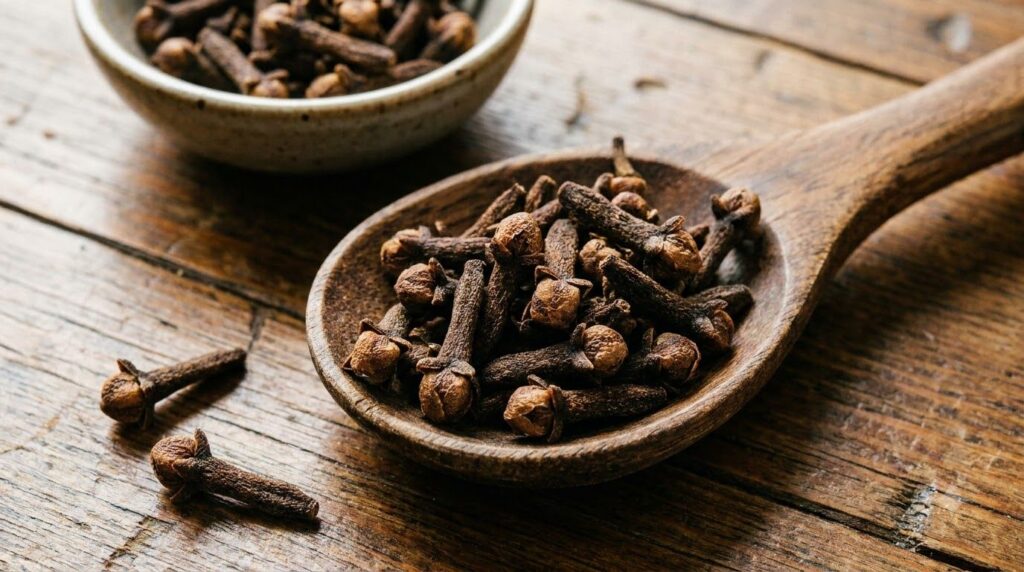
Cloves are the dried flower buds of the Syzygium aromaticum tree, native to Indonesia. They’ve been cherished for centuries in various cultures, not just for their distinct flavor but for their medicinal properties. So, what makes these tiny buds so special?
Key Compounds: The Power of Eugenol
The secret behind cloves’ potency lies mainly in a compound called eugenol, which gives cloves their characteristic aroma and many of their health-supporting properties. Eugenol is a powerful antioxidant and has been studied for its potential anti-inflammatory and antimicrobial effects.
Traditional Uses & Modern Insights
-
Digestive Harmony: Traditionally, clove tea has been a go-to remedy for upset stomachs, bloating, and indigestion. It’s believed to help stimulate digestive enzymes and reduce gas. Modern research suggests eugenol may help protect the stomach lining and improve gut motility.
-
Soothing Discomfort: Historically, cloves were used as a natural pain reliever, especially for toothaches. While a cup of tea won’t replace a dentist, the anti-inflammatory properties of cloves may offer a mild soothing effect on general aches and pains.
-
Immune Support: Rich in antioxidants, cloves help combat oxidative stress in the body, which can contribute to various health issues. By reducing free radical damage, clove tea may indirectly support a robust immune system.
-
Antimicrobial Properties: Eugenol also exhibits natural antimicrobial qualities, meaning it may help fight against certain bacteria and fungi. This makes clove tea a popular choice during cold and flu season as a comforting and potentially supportive beverage.
-
Blood Sugar Management: Some preliminary studies suggest that compounds in cloves may play a role in helping to manage blood sugar levels, though more research is needed in this area. It’s an intriguing avenue for exploration!
It’s important to remember that while traditional uses are invaluable, modern scientific understanding is still evolving. Always approach natural remedies as a complement to a healthy lifestyle, not a replacement for professional medical advice.
Your Practical Guide: Brewing the Perfect Clove Tea
Making clove tea is incredibly simple and requires only a few ingredients you likely already have. Here’s how to brew a delightful cup:
Simple Clove Tea Recipe
Ingredients:
- 1 cup (240ml) water
- 3-5 whole cloves
- Optional: Honey, lemon slice, or a small piece of ginger for added flavor and benefits
Instructions:
- Boil Water: In a small saucepan, bring one cup of water to a rolling boil.
- Add Cloves: Add the whole cloves to the boiling water.
- Simmer: Reduce the heat to low, cover the saucepan, and let it simmer for 5-10 minutes. The longer it simmers, the stronger the flavor and potential benefits will be.
- Strain: Remove the saucepan from the heat and strain the tea into a mug, discarding the cloves.
- Enjoy: Sip warm. You can add a squeeze of lemon, a teaspoon of honey, or a thin slice of ginger for extra flavor and a wellness boost.
Tips for the Best Experience:
- Freshness Matters: Ensure your whole cloves are fresh for the most potent aroma and flavor.
- Frequency: One to two cups a day is generally sufficient for enjoying the benefits.
- Combinations: Clove tea pairs wonderfully with other warming spices like cinnamon sticks or star anise if you want to experiment with flavor.
Safety & Precautions: Important Considerations
While clove tea is generally safe for most people when consumed in moderation, it’s always wise to be aware of potential precautions:
- Pregnancy and Breastfeeding: If you are pregnant or breastfeeding, consult your healthcare provider before regularly consuming herbal teas, including clove tea.
- Blood Thinners: Cloves contain compounds that may have a mild blood-thinning effect. If you are on blood-thinning medication (like Warfarin), speak to your doctor before adding clove tea to your routine.
- Allergies: Though rare, some individuals may be allergic to cloves. Discontinue use if you experience any adverse reactions.
- Existing Medical Conditions: If you have any underlying health conditions or are taking prescription medications, it’s always best to discuss with a healthcare professional before making significant changes to your diet or wellness routine.
- Excessive Consumption: Very high doses of clove oil (not tea) can be toxic. Stick to reasonable amounts of tea as outlined in the recipe.
Key Takeaways: Your Clove Tea Cheat Sheet
- Clove tea is an easy-to-make, aromatic beverage derived from dried clove buds.
- It contains eugenol, a potent compound known for its antioxidant, anti-inflammatory, and antimicrobial properties.
- Traditionally used to support digestion, soothe discomfort, and boost immune health.
- Simple to prepare by simmering whole cloves in hot water.
- Enjoy in moderation, and consult a healthcare professional if you have existing conditions, are pregnant, or taking certain medications.
Frequently Asked Questions About Clove Tea
Q1: Can I use ground cloves instead of whole cloves?
While you can use ground cloves, whole cloves are generally preferred for tea. Ground cloves can make the tea cloudy and leave a gritty residue. If you must use ground, use about a quarter teaspoon per cup and strain thoroughly.
Q2: How often can I drink clove tea?
For general wellness, 1-2 cups per day is a good starting point. Listen to your body and adjust as needed. Consistent, moderate use is often more beneficial than infrequent, large doses.
Q3: Does clove tea help with weight loss?
There’s no strong scientific evidence to suggest that clove tea directly causes weight loss. However, as part of a balanced diet and healthy lifestyle, its potential digestive benefits and ability to replace sugary drinks might indirectly support weight management goals.
Q4: Can I drink clove tea cold?
Absolutely! While often enjoyed warm for its comforting qualities, you can brew clove tea and then chill it for a refreshing cold beverage. It makes a wonderful iced tea, especially with a slice of lemon or orange.
Q5: Is clove tea good for a sore throat?
Clove’s traditional use as a mild anesthetic and its anti-inflammatory properties may offer some soothing relief for a sore throat. The warmth of the tea itself can also be comforting. However, it’s not a cure and severe sore throats should be evaluated by a doctor.
Related Reading: Keep Exploring Natural Wellness!
If you’re curious about the power of natural remedies and healthy living, you might enjoy these other articles from Natural Wellness By R:
- The Ancient Secret of Turmeric for Inflammation and Vitality
- Boost Your Immunity: Simple Herbal Teas for Seasonal Wellness
- Gut Health: Why Your Digestive System is Key to Overall Well-being
- Embracing the Power of Ginger: More Than Just a Spice