When you think of strong bones, calcium often comes to mind, and for many, dairy products are the immediate go-to source. However, what if dairy isn’t a part of your diet, or you’re simply looking to diversify your calcium intake? The good news is that Mother Nature, and a little smart fortification, offer a surprising array of plant-based calcium sources that are just as effective at supporting bone health.
This comprehensive guide will take you beyond the dairy aisle, revealing fantastic plant-based calcium sources you might not have considered. Get ready to nourish your bones and make informed dietary choices for a healthier, stronger you!
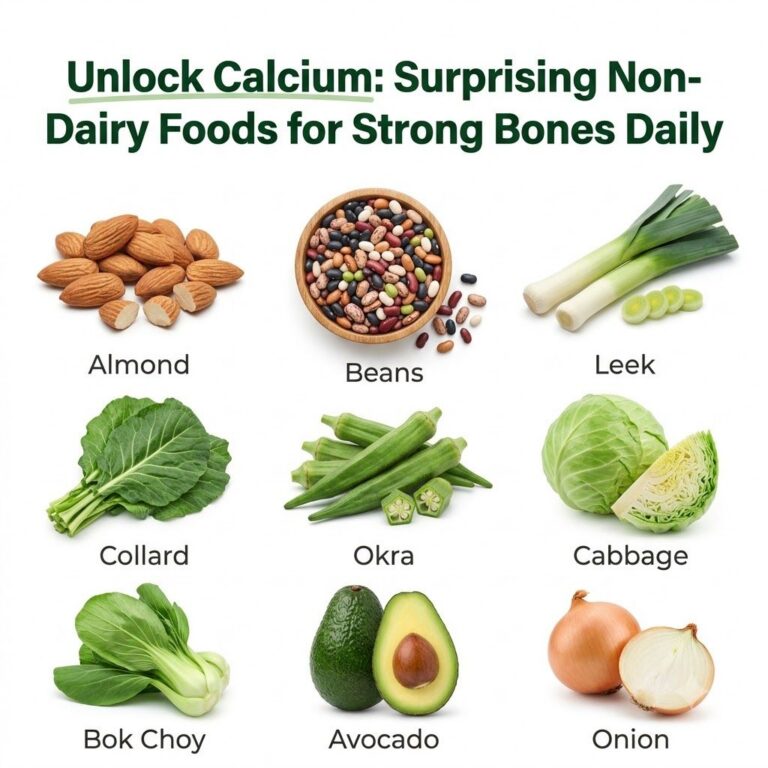
Leafy Greens: Nature’s Green Powerhouses
Leafy green vegetables are nutritional superstars, and many are excellent sources of calcium. Don’t let their delicate appearance fool you; these greens pack a powerful punch for bone health.
Kale
- Calcium Content: One cup of cooked kale provides about 94 mg of calcium.
- Benefits: Also rich in Vitamin K, which is crucial for bone mineralization and blood clotting.
- How to Enjoy: Add to smoothies, salads, stir-fries, or bake into crispy kale chips.
Collard Greens
- Calcium Content: One cup of cooked collard greens offers around 268 mg of calcium.
- Benefits: An outstanding source of calcium, Vitamin A, and Vitamin K.
- How to Enjoy: Often enjoyed braised or sautéed with garlic and spices.
Broccoli
- Calcium Content: One cup of cooked broccoli contains about 62 mg of calcium.
- Benefits: Provides Vitamin C, which aids in collagen formation (a key component of bone matrix), and Vitamin K.
- How to Enjoy: Steamed, roasted, added to pasta dishes, or as a crunchy snack with hummus.
While spinach also contains calcium, it’s high in oxalates, which can inhibit calcium absorption. For optimal calcium intake, focus on lower-oxalate greens like kale and collard greens.
Fortified Foods: Everyday Staples with a Boost
Many common foods are now fortified with calcium, making it easier to meet your daily requirements without relying on dairy. Always check the nutrition labels to ensure you’re choosing fortified varieties.
Plant-Based Milks
- Examples: Almond milk, soy milk, oat milk, rice milk.
- Calcium Content: Many fortified plant milks contain similar or even higher amounts of calcium per serving (around 300 mg) compared to cow’s milk.
- How to Enjoy: Use in cereals, coffee, smoothies, or as a base for sauces and baked goods.
Fortified Orange Juice
- Calcium Content: Some brands offer orange juice fortified with up to 300 mg of calcium per cup.
- How to Enjoy: A refreshing morning drink, but consume in moderation due to sugar content.
Tofu and Tempeh (Calcium-Set)
- Calcium Content: Tofu that is calcium-set (check the ingredient list for calcium sulfate) can provide a significant amount, often over 400 mg per half-cup serving. Tempeh also contains calcium.
- Benefits: Excellent source of plant-based protein.
- How to Enjoy: Stir-fries, scrambles, baked, grilled, or added to soups.
Legumes and Beans: Versatile and Nutrient-Dense
Beans and legumes are not only fantastic sources of fiber and protein but also contribute valuable calcium to your diet.
White Beans
- Calcium Content: One cup of cooked white beans provides approximately 161 mg of calcium.
- Benefits: Also rich in iron and fiber.
- How to Enjoy: Perfect in soups, stews, salads, or blended into dips.
Black Beans
- Calcium Content: One cup of cooked black beans contains around 46 mg of calcium.
- Benefits: Packed with antioxidants and fiber.
- How to Enjoy: Tacos, burritos, salads, or homemade bean burgers.
Chickpeas (Garbanzo Beans)
- Calcium Content: One cup of cooked chickpeas offers about 105 mg of calcium.
- Benefits: Versatile and a great source of protein and fiber.
- How to Enjoy: Hummus, roasted for a snack, added to curries, or in salads.
Nuts and Seeds: Small but Mighty Boosters
Don’t underestimate the power of these tiny nutritional gems. Nuts and seeds are concentrated sources of various minerals, including calcium.
Sesame Seeds (and Tahini)
- Calcium Content: A single tablespoon of sesame seeds contains about 88 mg of calcium. Tahini (sesame paste) is also an excellent source.
- Benefits: Also provides healthy fats and protein.
- How to Enjoy: Sprinkle on salads, stir-fries, use tahini in dressings, dips, or as a spread.
Almonds
- Calcium Content: A quarter-cup serving (about 23 almonds) provides around 97 mg of calcium.
- Benefits: Good source of Vitamin E, magnesium, and healthy fats.
- How to Enjoy: Snack on them raw, add to oatmeal, blend into almond butter, or use in baking.
Chia Seeds
- Calcium Content: Two tablespoons of chia seeds offer approximately 179 mg of calcium.
- Benefits: Rich in omega-3 fatty acids, fiber, and protein.
- How to Enjoy: Make chia pudding, sprinkle into smoothies, or use as an egg replacer in baking.
Other Notable Plant-Based Sources
- Figs: Both fresh and dried figs are surprisingly good calcium sources. Five medium dried figs provide about 68 mg of calcium.
- Rhubarb: One cup of cooked rhubarb contains about 348 mg of calcium, although like spinach, it’s high in oxalates, so absorption might be less efficient.
- Amaranth: This ancient grain is a powerhouse, with one cup of cooked amaranth offering around 116 mg of calcium.
Maximizing Calcium Absorption and Bone Health
Getting enough calcium is important, but how well your body absorbs and utilizes it is equally crucial. Here are some tips:
- Ensure Adequate Vitamin D: Vitamin D is essential for calcium absorption. Get sunlight exposure, consume fortified foods, or consider a supplement.
- Pair with Magnesium: Magnesium works synergistically with calcium and is found in many of the same plant-based foods.
- Limit Oxalate-Rich Foods (strategically): While some healthy foods like spinach contain oxalates, cooking can reduce their content. Don’t avoid these foods entirely, but ensure a diverse diet.
- Avoid Excessive Sodium and Caffeine: High intake of these can lead to increased calcium excretion.
- Divide Calcium Intake: Your body absorbs calcium more efficiently in smaller doses throughout the day rather than one large dose.
Embrace a Calcium-Rich Plant-Based Diet
Building strong bones doesn’t require a daily glass of milk. By exploring the vast and delicious world of plant-based foods, you can easily meet your daily calcium requirements and enjoy a diverse, nutrient-rich diet. From leafy greens to fortified plant milks and hearty beans, there are countless ways to nourish your bones and support your overall health.
Start incorporating these surprising non-dairy calcium sources into your meals today and feel the difference!