Tired eyes from screens? Dealing with dryness or puffiness? Good news! Your plate can be a powerful ally for happier, healthier vision. Our eyes work tirelessly throughout the day, constantly adjusting to light, focus, and the demands of our digital world. Just like any other part of your body, your eyes thrive on proper nutrition. Discover simple, delicious foods that act as natural remedies to soothe discomforts and support your overall eye health.
Incorporating specific vitamins, minerals, and antioxidants into your diet can make a significant difference in preventing common eye problems and maintaining sharp vision.
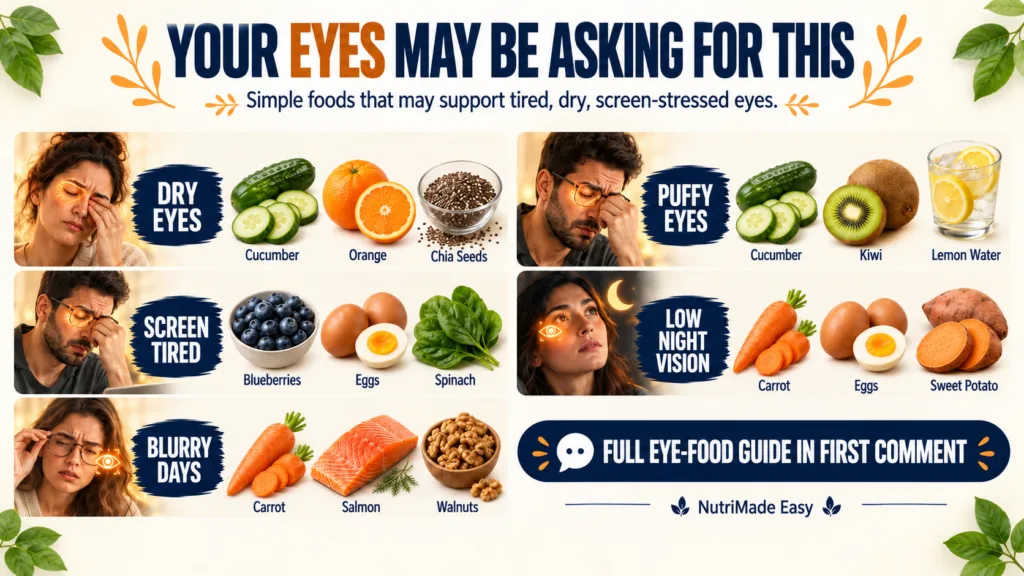
Combating Screen Fatigue and Tired Eyes
Spending hours in front of screens, whether for work or leisure, can leave your eyes feeling strained and fatigued. This digital eye strain is a common complaint in today’s world. Certain nutrients can help protect your eyes from the blue light emitted by devices and reduce overall tiredness.
- Leafy Greens: Spinach, kale, and collard greens are rich in lutein and zeaxanthin, powerful antioxidants that act like internal sunglasses, protecting your eyes from harmful light.
- Berries: Blueberries, strawberries, and raspberries are packed with antioxidants, including anthocyanins, which may help improve blood flow to the eyes and reduce fatigue.
- Oranges and Bell Peppers: These vibrant foods are excellent sources of Vitamin C, which supports the health of blood vessels in your eyes.
Soothing Dry Eyes
Dry eyes can cause discomfort, irritation, and even blurry vision. It occurs when your eyes don’t produce enough quality tears to keep them adequately lubricated. What you eat can play a role in tear production and eye surface health.
- Fatty Fish: Salmon, mackerel, and sardines are rich in omega-3 fatty acids, which are crucial for maintaining healthy tear film and reducing inflammation.
- Flaxseeds and Chia Seeds: For a plant-based omega-3 source, flaxseeds and chia seeds are excellent choices. They can be easily added to smoothies, oatmeal, or salads.
- Avocados: These creamy fruits contain healthy fats, including omega-3s, and Vitamin E, which is beneficial for overall eye health.
Supporting Overall Vision and Clarity
Beyond specific issues, maintaining sharp, clear vision requires a steady supply of essential vitamins and minerals. These nutrients work to protect eye cells, support nerve function, and maintain the integrity of eye structures.
- Carrots and Sweet Potatoes: Famous for good reason, these vibrant vegetables are loaded with beta-carotene, which the body converts to Vitamin A. Vitamin A is essential for good vision, especially in low light.
- Eggs: Egg yolks are a fantastic source of lutein, zeaxanthin, and zinc, all vital for macular health and protecting against age-related macular degeneration.
- Nuts and Seeds: Almonds, sunflower seeds, and walnuts provide Vitamin E, an antioxidant that helps protect eye cells from damage by free radicals.
Reducing Puffy Eyes
Puffy eyes can be caused by fluid retention, lack of sleep, or allergies. While lifestyle changes are key, certain foods can help reduce inflammation and promote fluid balance.
- Cucumbers: High in water content and antioxidants, cucumbers can provide a cooling and soothing effect, and their natural compounds may help reduce swelling.
- Bananas: Rich in potassium, bananas help balance fluid levels in the body, which can contribute to reducing puffiness.
- Water: While not a food, staying adequately hydrated is paramount. Dehydration can sometimes worsen puffiness around the eyes.
Enhancing Night Vision
Difficulty seeing in dim light or at night can be a sign of insufficient Vitamin A. This vitamin is critical for the function of rhodopsin, a light-sensitive protein in your retina responsible for night vision.
- Liver: Beef liver is one of the most concentrated sources of Vitamin A, offering a significant boost for night vision support.
- Carrots and Sweet Potatoes: As mentioned, these beta-carotene powerhouses are converted into Vitamin A in the body, making them excellent choices for improving night vision.
- Spinach and Kale: Rich in lutein and zeaxanthin, these greens also contain some Vitamin A, contributing to overall retinal health and potentially improving adaptation to low light.
Conclusion
Your diet plays a fundamental role in the health of your eyes. By making conscious choices to include a variety of nutrient-rich foods, you can proactively protect your vision, alleviate common discomforts like screen fatigue and dry eyes, and support clear sight for years to come. Start incorporating these eye-nourishing foods into your meals today, and you may find your vision feeling happier and healthier. Which of these eye-nourishing foods are you excited to add to your meals?