Some herbs look so ordinary that people forget how useful they can be.
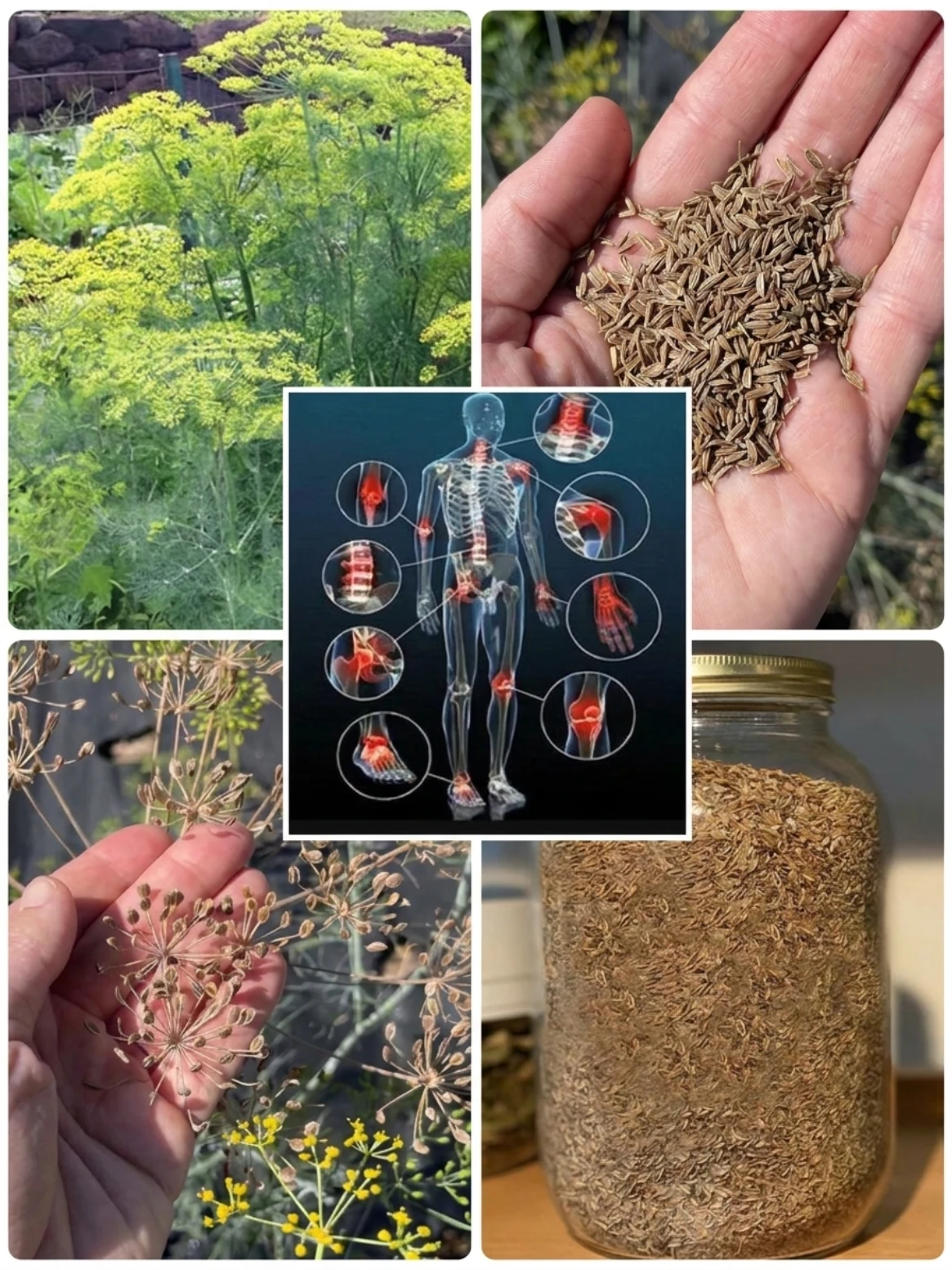
Fennel seeds are a perfect example. They come from the tall, feathery plant with yellow umbrella-like flowers, and they have been used for generations in traditional kitchens and herbal routines. Most people know fennel for its sweet, slightly licorice-like flavor, but many do not realize it is also one of the most common herbs people turn to for bloating, sluggish digestion, and general body comfort.
That is probably why fennel keeps showing up in old home remedies. It is simple, affordable, and easy to prepare. While it is not a cure for arthritis or chronic pain, it can be a gentle, practical herb to keep around when the stomach feels heavy and the body feels tense after meals.
What Type of Remedy This Is
This is best understood as an ingredient spotlight with a simple herbal tea use.
The main focus is fennel itself: what it offers, why people use it, how to prepare it, and what kind of results are realistic. The seed is the most commonly used part, although the whole plant is valued in food traditions.
What Fennel Seeds Are Traditionally Used For
Fennel seeds are most often linked with:
- Bloating and gas
- Slow or heavy digestion
- Post-meal discomfort
- Mild stomach cramping
- General body warmth and comfort
In many traditional systems, fennel is seen as a gentle digestive herb. That is the key reason it has remained popular. When digestion feels backed up, the whole body can feel more uncomfortable, puffy, and tense. A warm fennel drink is often used to help the body feel lighter again.
Ingredients
A basic fennel seed tea is very simple.
What you need
- 1 to 2 teaspoons fennel seeds
- 1½ to 2 cups water
If you want a stronger flavor, lightly crush the seeds before boiling. That helps release more aroma and essential oils.
How to Prepare Fennel Seed Tea
This remedy is easy to make and fits well into an everyday kitchen routine.
Step 1: Lightly crush the seeds
Use the back of a spoon or a mortar and pestle to gently crush the fennel seeds. You do not need to grind them into powder.
Step 2: Simmer in water
Add the seeds to 1½ to 2 cups of water.
Bring the water to a gentle boil, then lower the heat and let it simmer for about 8 to 10 minutes.
Step 3: Let it rest
Turn off the heat and let the tea sit for another 5 minutes.
Step 4: Strain and serve
Strain into a cup and drink it warm.
How to Use It and Best Time to Drink It
Fennel tea is usually taken in small, moderate amounts.
Best times to use it
After meals
This is the most common time. If lunch or dinner leaves you feeling overly full, gassy, or sluggish, a warm cup may feel especially soothing.
In the evening
Many people enjoy fennel tea later in the day because it is caffeine-free and light on the stomach.
During bloating flare-ups
It can also be used when the belly feels tight or uncomfortable, especially after rich or heavy foods.
Why Fennel May Feel Helpful
This is where fennel becomes more interesting than just a kitchen spice.
It supports digestion
Fennel is best known for helping with gas, bloating, and that stuck, heavy feeling after meals. That is the main reason it has such a strong traditional reputation.
It brings warmth without heaviness
Unlike rich remedies or sugary drinks, fennel tea feels light. It gives warmth and comfort without making the stomach work harder.
It contains aromatic compounds
Fennel seeds naturally contain fragrant plant compounds, which is why they taste so distinctive. Those aromatic oils are one reason fennel is often used in digestive formulas.
It may help the whole body feel lighter
Sometimes body discomfort feels worse when digestion is poor. When the stomach settles, the rest of the body often feels a little easier too. That may explain why people also associate fennel with broader comfort, including periods of heaviness and tension.
Can Fennel Help With Joint or Body Pain?
This is where it helps to stay realistic.
Fennel is not a proven treatment for arthritis, severe inflammation, or chronic joint disease. But in traditional wellness use, herbs that support digestion and reduce internal heaviness are often also used when the body feels achy or puffy.
So the smarter way to say it is this: fennel may help some people feel more comfortable overall, especially if their discomfort is connected to bloating, digestive sluggishness, or feeling inflamed after meals. It is a supportive herb, not a medical cure.
Who May Benefit Most
Fennel seed tea may be especially appealing for people who:
- Often feel bloated after eating
- Want a gentle digestion remedy
- Prefer a caffeine-free herbal drink
- Enjoy warm, soothing teas after meals
- Want something simple for everyday stomach comfort
When You May Notice Results
One reason fennel stays popular is that it often feels useful fairly quickly.
Many people notice a lighter stomach or less bloating within 30 minutes to a few hours, especially when used after meals. For broader digestive comfort, the benefit tends to build with consistent, moderate use alongside better meal habits.
That is the most realistic timeline: quick relief for mild bloating, slower support for overall digestive wellness.
Safety Notes
Even gentle herbs deserve a little caution.
- Start with a small amount if you are new to fennel.
- Stop if it causes stomach discomfort or an unusual reaction.
- People with known allergies to carrot-family plants should be careful.
- Do not rely on fennel tea alone for severe abdominal pain, vomiting, fever, or persistent swelling.
- Ongoing joint pain, digestive pain, or unexplained inflammation should be checked by a healthcare professional.
Final Takeaway
Fennel seeds are one of those traditional herbs that keep proving their value because they are simple, gentle, and practical. They are best known for helping with bloating, gas, and heavy digestion, but they may also support an overall lighter, more comfortable feeling in the body.
Sometimes the most useful remedy is not the strongest one. It is the one you can prepare easily, sip slowly, and actually return to when your body needs a little help.
Related Source Science
Fennel seeds are widely appreciated in traditional herbal practice for their aromatic oils and long-standing role in digestive comfort, especially for gas, bloating, and post-meal heaviness. The most realistic benefit is gentle digestive support, with any broader body-comfort effect likely coming from that same digestive easing rather than from a direct cure for joint disease.