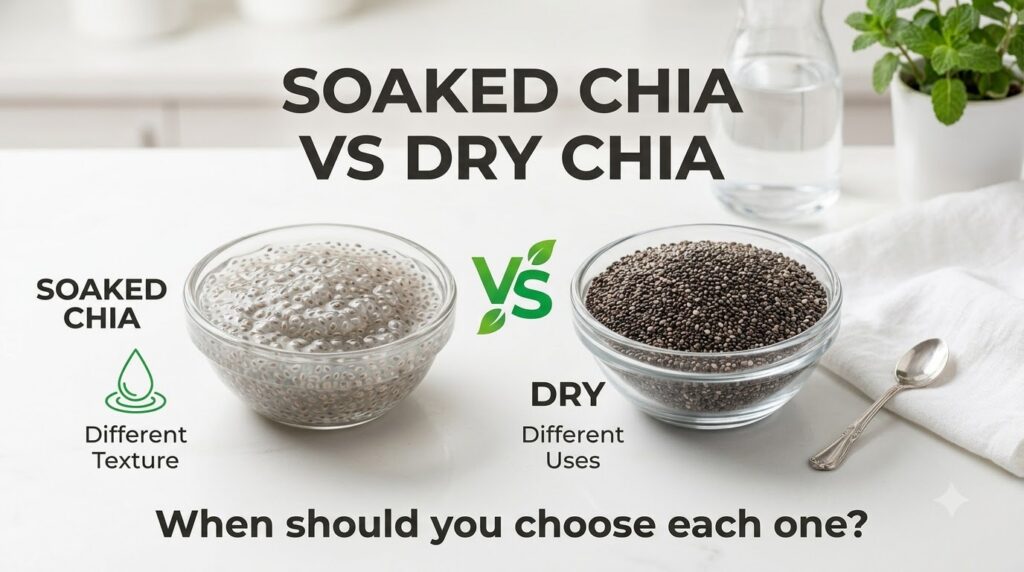
Chia seeds have become a superstar in the wellness world, celebrated for their impressive nutritional profile and versatility. But when it comes to incorporating them into your diet, a common question arises: should you choose soaked chia seeds or use them dry? Each form offers unique textures and is best suited for different culinary uses. Understanding the distinctions between soaked vs. dry chia is key to unlocking their full potential in your recipes and enjoying all their benefits.
Whether you’re aiming for a creamy breakfast or a crunchy topping, knowing when and how to prepare these tiny powerhouses can transform your meals. This guide will walk you through the distinct characteristics and ideal applications for both soaked and dry chia, helping you make the best choice every time.
Soaked Chia Seeds: The Gel-Like Goodness
When chia seeds are soaked in liquid, they absorb up to 10-12 times their weight, forming a gelatinous coating known as a mucilage. This transformation changes their texture dramatically, making them plump, soft, and slightly chewy.
Different Texture, Enhanced Benefits
The distinctive gel-like texture of soaked chia seeds isn’t just for culinary appeal; it also offers several health advantages. Soaking may aid in digestion, as the gel helps move food through the digestive tract. It can also enhance nutrient absorption, making the vitamins, minerals, and omega-3 fatty acids more bioavailable to your body.
Ideal Uses for Soaked Chia
Soaked chia seeds are perfect for:
- Chia Puddings: The most popular use, creating a thick, creamy, and satisfying breakfast or dessert.
- Smoothies: Adding a spoonful of pre-soaked chia can thicken your smoothie and boost its nutritional content without altering the flavor significantly.
- Thickening Agent: They can be used as a natural thickener in soups, stews, and sauces, offering a healthier alternative to cornstarch or flour.
- Egg Substitute: For vegans or those with egg allergies, a ‘chia egg’ (1 tablespoon ground chia + 3 tablespoons water, let sit for 5 minutes) can replace one egg in many baking recipes.
Recipe: Simple Overnight Chia Pudding
This basic recipe is a perfect way to enjoy soaked chia seeds.
Ingredients:
- 2 tablespoons chia seeds
- 1/2 cup milk (dairy or non-dairy like almond, oat, or soy)
- 1 teaspoon sweetener (maple syrup, honey, or agave, optional)
- 1/4 teaspoon vanilla extract (optional)
- Toppings: fresh berries, sliced banana, nuts, granola
Instructions:
- In a jar or bowl, combine the chia seeds, milk, sweetener, and vanilla extract.
- Stir well to ensure there are no clumps and all seeds are submerged.
- Cover the jar or bowl and refrigerate for at least 4 hours, or preferably overnight.
- Before serving, stir again. If it’s too thick, add a splash more milk.
- Top with your favorite fruits, nuts, or granola and enjoy!
Dry Chia Seeds: The Crunchy and Versatile Powerhouse
In their dry state, chia seeds are small, hard, and retain a satisfying crunch. While they will still absorb some moisture from other foods in your digestive system, they won’t form the same external gel as when intentionally soaked.
Different Uses, Unique Texture
Using chia seeds dry provides a different culinary experience. They offer a subtle nutty flavor and a textural contrast that can elevate many dishes.
Ideal Uses for Dry Chia
Dry chia seeds are excellent for:
- Sprinkling: Add a nutrient boost and crunch to yogurt, oatmeal, salads, soups, or avocado toast.
- Baking: Incorporate them directly into bread, muffins, cookies, or energy bars for added fiber, omega-3s, and a delightful texture. They can also act as a binder in some recipes.
- Crusting: Use them as part of a healthy crust for fish or chicken, either whole or lightly ground.
- Homemade Granola: Mix them into your granola recipes before baking for extra crunch and nutrition.
Soaked vs. Dry: A Quick Comparison
Understanding the fundamental differences between soaked vs. dry chia can help you choose the best option for your culinary needs:
- Texture: Soaked chia becomes soft, gelatinous, and plump. Dry chia remains small, hard, and crunchy.
- Absorption: Soaked chia absorbs liquid and swells significantly before consumption. Dry chia absorbs liquid gradually within the body.
- Culinary Role: Soaked chia excels as a thickener, binder, and base for puddings and smoothies. Dry chia shines as a crunchy topping, baking additive, or ingredient for texture.
- Digestion: Soaking may make chia easier to digest for some individuals and potentially enhances nutrient availability. Dry chia still provides excellent fiber but might be less immediately digestible for sensitive stomachs.
Making the Right Choice: When to Use Soaked vs. Dry Chia
The infographic wisely asks, “When should you choose each one?” Here’s a simple guide:
- Choose Soaked Chia When You Want: A creamy, soft texture (like in puddings or overnight oats), a natural thickening agent for liquids, or a nutrient boost that’s gentle on digestion. It’s ideal for meal prep breakfasts and desserts.
- Choose Dry Chia When You Want: A crunchy texture, a simple sprinkle-on boost for meals, or an ingredient to incorporate into baked goods for fiber and nutrients without altering consistency too much. It’s great for adding texture to savory dishes too.
Beyond Texture: The Core Nutritional Benefits of Chia Seeds
Regardless of whether you consume them soaked or dry, chia seeds are nutritional powerhouses. They are an excellent source of:
- Fiber: Crucial for digestive health, blood sugar regulation, and satiety.
- Omega-3 Fatty Acids: Particularly alpha-linolenic acid (ALA), which supports heart health and brain function.
- Protein: A good plant-based protein source, essential for muscle repair and growth.
- Minerals: Rich in calcium, magnesium, phosphorus, and manganese, vital for bone health and various bodily functions.
- Antioxidants: Help protect your cells from damage caused by free radicals.
Including chia seeds in your diet, in either form, can contribute to overall well-being and provide a diverse range of essential nutrients.
Tips for Incorporating Chia Seeds into Your Diet
- Start Small: If new to chia seeds, begin with 1-2 tablespoons per day and increase gradually to allow your digestive system to adjust to the fiber content.
- Hydrate: Always ensure adequate fluid intake when consuming chia seeds, especially if eating them dry, as they absorb a lot of water.
- Experiment: Don’t be afraid to try both forms in different recipes. You might discover new favorite ways to enjoy them!
- Meal Prep: Prepare a batch of basic chia pudding at the beginning of the week for quick and healthy breakfasts.
Final Thoughts
The debate of soaked vs. dry chia isn’t about one being superior to the other; it’s about understanding their unique qualities and leveraging them to enhance your meals. Both forms offer incredible nutritional benefits and versatility. By recognizing their different textures and uses, you can confidently integrate these tiny seeds into a wide array of delicious and healthy recipes, making your culinary adventures more exciting and nutritious.
So, next time you reach for your bag of chia seeds, you’ll know exactly which preparation method will best serve your dish and your health goals!
Medical Disclaimer
The information provided in this article is for general informational purposes only and does not constitute medical advice. Always consult with a qualified healthcare professional before making any decisions about your health or treatment.