Most people focus on the sweet, refreshing flesh of a watermelon, often without a second thought for the small, black seeds within. But what if those often-discarded kernels held a surprisingly potent secret, understood by generations before us? It turns out, tossing those watermelon seeds might mean you’re throwing away a genuine treasure trove of nutritional value and practical uses that deserve a closer look.
Instead of discarding them, join us as we uncover why these tiny seeds are worth keeping and how you can easily incorporate them into your daily routine. Forget what you thought you knew about watermelon seeds; their hidden potential is about to be revealed.
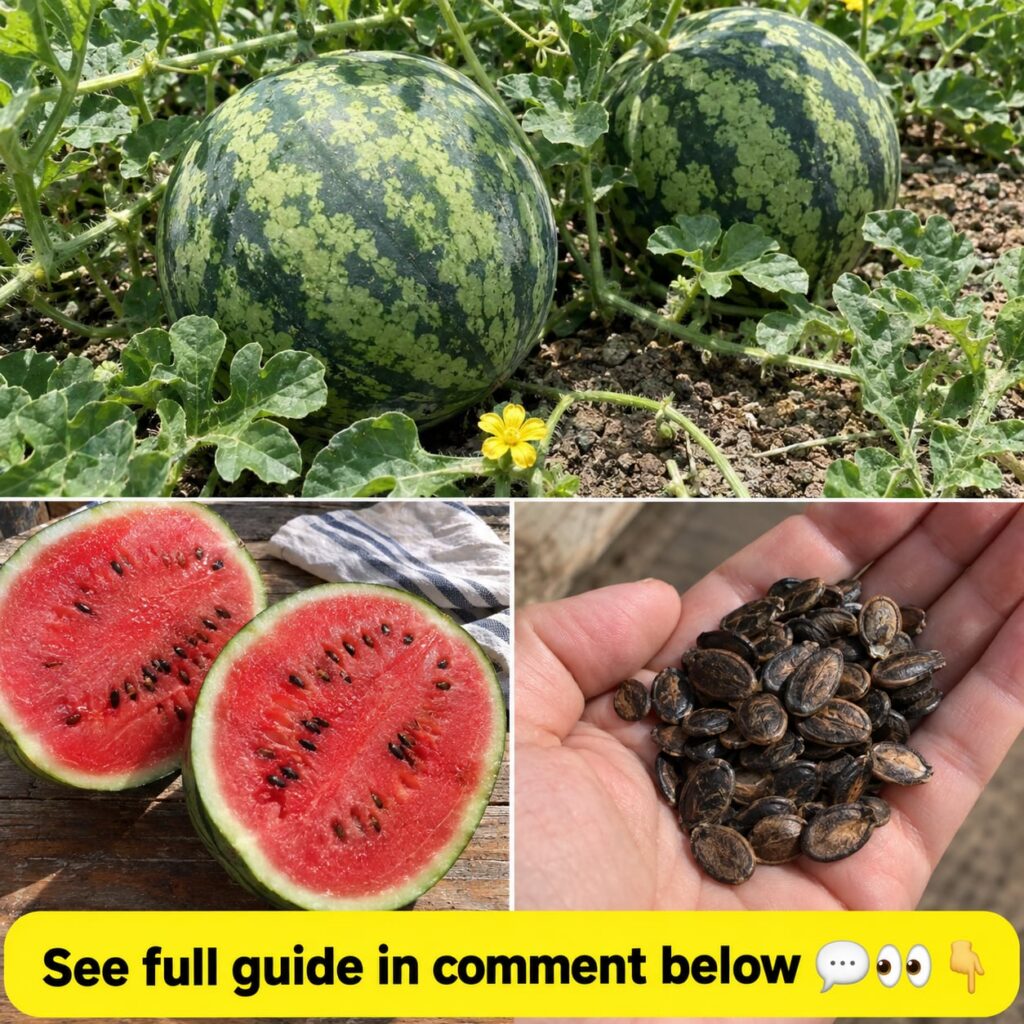
What Are Watermelon Seeds?
Watermelon seeds are the small, typically black or sometimes white/tan, kernels found within the fruit. While they might seem insignificant, they are packed with nutrients. Historically, in various cultures, these seeds were not only eaten but also used in traditional remedies and as a dietary staple. Unlike many fruit seeds that are bitter or indigestible, watermelon seeds, especially when prepared correctly, offer a mild, nutty flavor and a wealth of beneficial compounds.
Why Bother with Watermelon Seeds?
These unassuming seeds are a powerhouse of protein, healthy fats (including omega-3 and omega-6 fatty acids), magnesium, potassium, iron, zinc, and B vitamins. They offer an alternative plant-based protein source and can contribute to overall wellness when consumed regularly. The outer shell contains fiber, which aids digestion, while the inner kernel provides vital micronutrients.
Preparing Your Watermelon Seeds: The Simple Way
Making your own roasted watermelon seeds or a nourishing tea is far easier than you might think. This method helps unlock their nutritional value and makes them palatable and enjoyable.
Ingredients for Roasted Watermelon Seeds
- 1 cup raw watermelon seeds (cleaned)
- 1/2 teaspoon salt (optional, adjust to taste)
- 1 tablespoon olive oil or coconut oil (optional, for roasting)
Ingredients for Watermelon Seed Tea (Decoction)
- 1/4 cup raw watermelon seeds (cleaned)
- 4 cups water
Approximate Measurements
- **For Roasting:** Yields about 1 cup of roasted seeds.
- **For Tea:** Yields approximately 3-4 cups of tea.
Formula & Recipe: Roasting and Brewing
Method: Roasted Watermelon Seeds
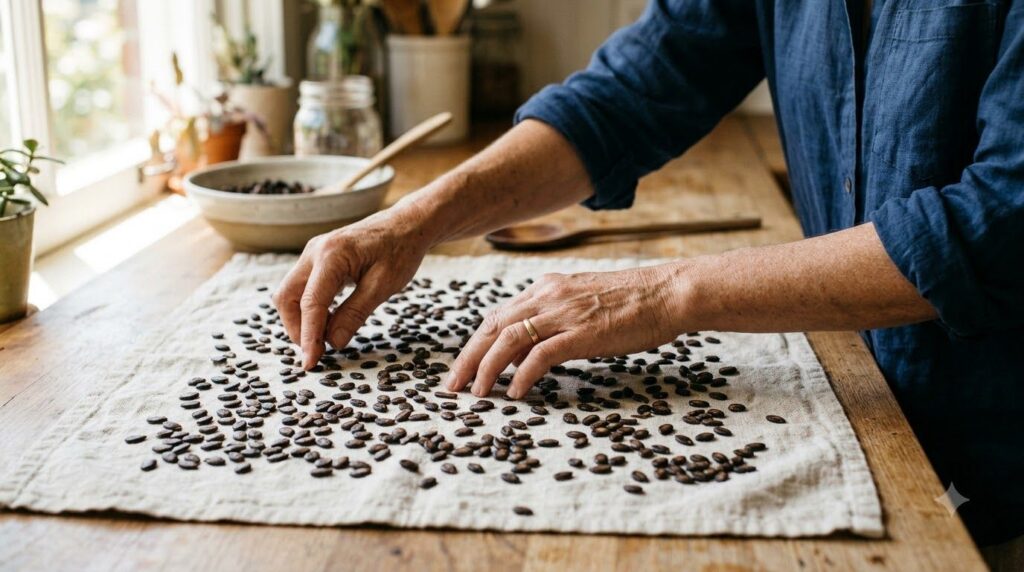
- Clean the Seeds: After separating the seeds from the watermelon flesh, rinse them thoroughly under cold water to remove any sticky residue. Pat them dry with a clean cloth or paper towel. This step is crucial for even roasting.
- Soak (Optional but Recommended): For better digestibility and nutrient absorption, you can soak the clean seeds in water with a pinch of salt overnight (8-12 hours). Drain and rinse again, then pat very dry. This process is similar to preparing other nuts and seeds.
- Season: In a bowl, toss the dried seeds with the olive/coconut oil (if using) and salt until evenly coated. The oil helps them crisp up and the salt enhances the flavor.
- Roast: Spread the seasoned seeds in a single layer on a baking sheet lined with parchment paper.
- Bake: Preheat your oven to 325°F (160°C). Bake for 15-20 minutes, stirring halfway through, until they are golden brown and crunchy. Keep a close eye on them to prevent burning, as seeds can go from perfect to burnt quickly.
- Cool: Allow the roasted seeds to cool completely on the baking sheet before storing. They will crisp up further as they cool.
Method: Watermelon Seed Tea (Decoction)
- Clean and Dry: Use clean, dry watermelon seeds. Soaking is not necessary for tea.
- Grind (Optional): For stronger extraction, you can lightly crush or grind the seeds in a mortar and pestle or a coffee grinder before brewing. This breaks down the outer shell.
- Boil: Bring 4 cups of water to a boil in a saucepan.
- Simmer: Add the 1/4 cup of watermelon seeds to the boiling water. Reduce heat to low, cover, and let it simmer gently for 30-45 minutes. This slow simmer (decoction) helps extract the compounds effectively.
- Steep: Remove from heat and let the mixture steep for another 10-15 minutes.
- Strain: Strain the liquid through a fine-mesh sieve into a mug or jar, discarding the spent seeds.
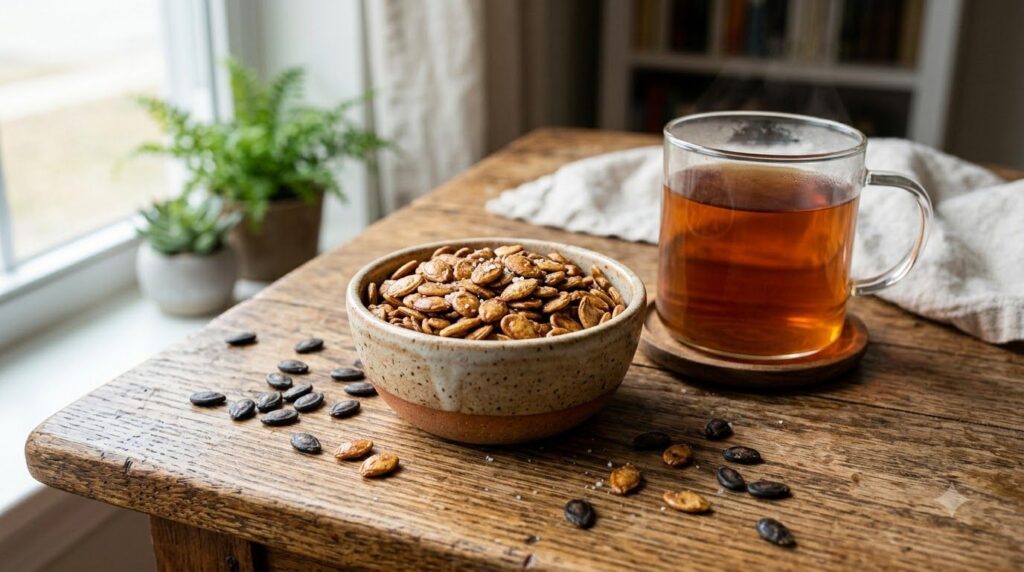
How to Use & How Often to Use
Roasted Watermelon Seeds:
Enjoy these as a standalone snack, sprinkle them over salads, add to yogurt or oatmeal, or mix into homemade granola. They offer a delightful crunch and a nutty flavor. Start with a small handful (about 1/4 cup) daily. Due to their caloric density, moderation is key.
Watermelon Seed Tea:
Drink 1 cup of the tea once or twice a day. It can be consumed warm or chilled. Many prefer it as a morning beverage or an afternoon pick-me-up. It has a mild, earthy taste. You can add a squeeze of lemon or a drizzle of honey if desired, but avoid adding sugar.
How to Buy / How to Choose Ingredients
The best way to get watermelon seeds is directly from fresh watermelons. Choose ripe, firm watermelons for the freshest seeds. If purchasing pre-packaged seeds, look for raw, unsalted, unroasted varieties for the most control over preparation. Ensure they are free from additives and preservatives. Always opt for organic whenever possible to avoid pesticide residues.
Storage
- Raw Seeds: Store cleaned and thoroughly dried raw seeds in an airtight container in a cool, dark place for up to 6 months, or in the refrigerator for up to a year.
- Roasted Seeds: Once roasted and completely cooled, store them in an airtight container at room temperature for up to 2-3 weeks. For longer storage, refrigerate them for up to 2 months or freeze for up to 6 months.
- Watermelon Seed Tea: The tea can be stored in an airtight glass jar in the refrigerator for up to 2-3 days. Reheat gently or enjoy cold.
Quick Tip: Maximize Freshness
To ensure your watermelon seeds retain their potency and flavor, always store them away from heat, light, and moisture. Exposure to these elements can lead to rancidity, especially in roasted seeds.
You may also like: The Full Guide to Flax Seed Health Benefits
Practical Tips for Incorporating Watermelon Seeds
- Smoothie Boost: Add a tablespoon of raw or roasted watermelon seeds to your morning smoothie for an extra protein and nutrient kick.
- Baking: Grind roasted seeds into a flour to use in gluten-free baking, or sprinkle them whole into bread and muffin batters.
- Trail Mix: Combine roasted watermelon seeds with other nuts, dried fruits, and a few dark chocolate chips for a custom, energizing trail mix.
- Salad Topping: A handful of roasted seeds can transform a simple salad, adding texture and a satisfying crunch.
Common Mistakes to Avoid
Even with something as simple as watermelon seeds, a few missteps can diminish their benefits or taste:
- Not Cleaning Properly: Leaving sticky fruit residue on seeds can lead to uneven roasting, off-flavors, or mold growth during storage. Rinse thoroughly!
- Incomplete Drying: Attempting to roast or store wet seeds will result in a chewy texture, steaming instead of roasting, or rapid spoilage. Pat dry thoroughly or air dry for several hours.
- Over-Roasting: Burnt seeds taste bitter and can lose some of their nutritional value. Keep a close watch and stir often. A lower temperature for a longer time is often better than a high temperature for a short time.
- Storing Before Cooling: Putting warm roasted seeds into an airtight container creates condensation, which can make them soggy and prone to mold. Always let them cool completely.
- Using Sprayed Watermelons: If harvesting seeds from store-bought watermelons, especially the rind, ensure they are organic if possible to minimize pesticide exposure. While seeds are inside, some residue could remain.
Cautions / Who Should Avoid It
While generally safe for most people, there are a few considerations:
- Allergies: Though uncommon, some individuals might be allergic to watermelon seeds. If you experience any adverse reactions like itching, swelling, or digestive upset, discontinue use.
- Digestive Sensitivity: The fiber content, especially if consumed in large quantities, might cause digestive discomfort for some. Start with small amounts and increase gradually.
- Portion Control: Watermelon seeds are calorie-dense. While healthy, consuming excessively large amounts can contribute to unwanted weight gain.
- Medication Interactions: As with any concentrated food product, if you are on specific medications or have underlying health conditions, consult your doctor before making significant dietary changes. This is particularly relevant for the tea if consumed in large quantities, as some studies suggest potential diuretic effects.
Quick Summary: Your Watermelon Seed Guide
- Best Preparation: Roasting brings out a nutty flavor and makes them an excellent snack; brewing into a tea offers a subtle, nourishing beverage.
- Best Use-Case: Roasted seeds are perfect for snacking, salad toppings, or smoothie additions. Tea is ideal for a hydrating, nutrient-rich drink.
- Storage: Keep raw seeds cool and dry; roasted seeds in an airtight container; tea refrigerated for up to 3 days.
- When to Use: Daily in moderation, as a snack, or as part of a meal.
- What to Avoid: Improper cleaning and drying, over-roasting, and excessive consumption without considering caloric intake.
Read more: Your Guide to Creating Custom Herbal Tea Blends
FAQ
Can I use fresh or dried watermelon seeds?
You can use either! Fresh seeds are typically harvested directly from the fruit, cleaned, and then dried or roasted. You can also purchase pre-packaged dried raw seeds.
How long do watermelon seeds last?
Raw, properly stored seeds can last up to a year. Roasted seeds retain freshness for about 2-3 weeks at room temperature or several months in the refrigerator/freezer.
Can I refrigerate roasted watermelon seeds?
Yes, refrigerating roasted seeds in an airtight container can significantly extend their shelf life, keeping them fresh for up to two months.
How often should I use watermelon seeds?
A daily serving of about 1/4 cup of roasted seeds or 1-2 cups of the tea is a good starting point. Adjust based on your dietary needs and preferences.
What part of the watermelon seed is best?
Both the shell and the kernel offer benefits. Roasting helps make the whole seed palatable and digestible, while brewing as a tea primarily extracts compounds from the inner kernel and outer layers.
Can I reuse the seeds for tea?
No, once the seeds have been decocted for tea, most of their beneficial compounds will have been extracted into the water. Reusing them will result in a much weaker, less potent brew.
When should I avoid watermelon seeds?
Avoid if you have a known allergy. Pregnant or nursing individuals, or those with specific medical conditions, should consult a healthcare professional before making significant dietary changes.
Continue with: Superfood Spotlight: The Power of Chia Seeds
Embrace the Unexpected
Next time you slice into a juicy watermelon, don’t be so quick to dismiss those tiny black seeds. Far from being mere discards, they are a compact source of nutrition and a testament to nature’s overlooked bounty. By taking a few extra minutes to prepare them, you can transform these hidden gems into a healthful snack or a soothing beverage, adding a simple yet powerful element to your holistic wellness journey. Embrace the unexpected benefits and give watermelon seeds the attention they truly deserve.