When it comes to healthy eating, many of us champion the benefits of raw foods. While fresh, uncooked ingredients certainly offer a wealth of vitamins and enzymes, the surprising truth is that some healthy foods actually work better when cooked. Applying heat can transform certain ingredients, enhancing their nutritional value, improving digestibility, and making key compounds more bioavailable to your body.
This guide dives into the fascinating world of culinary science to reveal which common healthy foods offer enhanced benefits after a little heat. Discover how simple preparation can make a significant impact on your body’s wellness and help you unlock more nutrition from your plate.
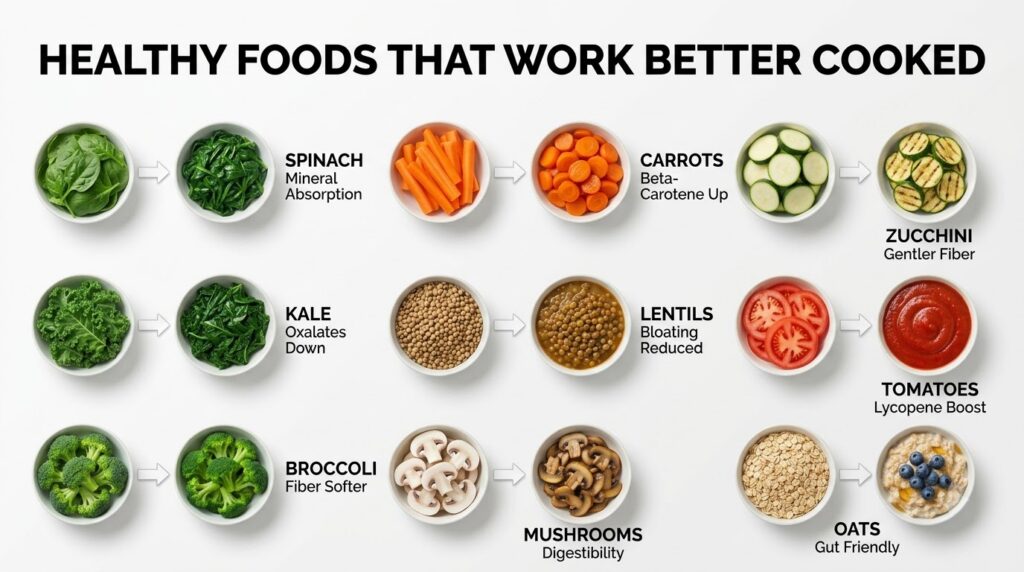
The Surprising Truth: Foods That Shine When Cooked
Here are eight healthy foods that, while beneficial raw, truly unlock their full nutritional potential or become easier to digest once they’ve been cooked.
Tomatoes: A Lycopene Powerhouse
Raw tomatoes are juicy and delicious, but cooking them actually boosts their most famous antioxidant: lycopene. Lycopene is a potent antioxidant linked to heart health and a reduced risk of certain cancers. The heat from cooking breaks down the tough cell walls of the tomato, making it easier for your body to absorb and utilize this valuable compound. Studies suggest that cooked tomato products, like sauces and pastes, offer significantly higher levels of bioavailable lycopene compared to their raw counterparts.
Carrots: Enhanced Beta-Carotene Benefits
Carrots are renowned for their beta-carotene content, which the body converts into vitamin A, essential for vision, immune function, and skin health. While you’ll still get beta-carotene from raw carrots, light cooking, especially steaming or roasting, helps to release this nutrient. The heat softens the carrot fibers, allowing for better absorption in the digestive tract. Just be careful not to overcook them, as prolonged boiling can diminish other water-soluble vitamins.
Spinach: Better Iron and Calcium Absorption
Spinach is packed with iron, calcium, and magnesium, but it also contains oxalic acid, an anti-nutrient that can bind with these minerals, making them less available for absorption. Cooking spinach, particularly steaming or sautéing, helps to reduce the oxalic acid content. This process allows your body to more readily access the beneficial minerals it contains, contributing to stronger bones and better energy levels.
Asparagus: Unlocking Antioxidants
This springtime favorite is a good source of vitamins K, A, and C, as well as folate. However, its fibrous stalks can be tough on digestion. Lightly cooking asparagus, whether by steaming, grilling, or roasting, helps to break down these fibers. More importantly, research suggests that cooking can increase the antioxidant activity of asparagus, specifically making ferulic acid, a beneficial plant compound, more accessible to the body.
Mushrooms: Improved Digestibility and Nutrient Release
Many varieties of mushrooms, especially wild ones, contain tough cell walls made of chitin, which is difficult for humans to digest. Cooking mushrooms helps to break down this chitin, improving digestibility and allowing your body to absorb more of their beneficial compounds, such as B vitamins, potassium, and certain antioxidants. Additionally, cooking can neutralize potential mild toxins present in some raw mushroom varieties.
Potatoes: Digestible Starch and Essential Nutrients
Raw potatoes contain resistant starch that is difficult for humans to digest and can cause digestive upset. Cooking potatoes transforms this resistant starch into digestible forms, making them a good source of energy and ensuring better absorption of their vitamins and minerals, including vitamin C and B6. Always cook potatoes thoroughly to make them safe and nutritious to eat.
Bell Peppers: More Available Carotenoids
Bell peppers are vibrant, versatile, and rich in antioxidants like carotenoids (including beta-carotene, beta-cryptoxanthin, and lutein). While delicious raw, cooking bell peppers, especially through sautéing, roasting, or grilling, can make these carotenoids more bioavailable. The heat breaks down the cell walls, releasing the pigments and making them easier for the body to absorb. This means you might get more of their eye-health and immune-boosting benefits when cooked.
Kale: Reduced Oxalates and Enhanced Mineral Uptake
Similar to spinach, kale is a powerhouse of nutrients but also contains oxalic acid. Eating large amounts of raw kale can, for some individuals, interfere with the absorption of minerals like calcium and iron. Lightly cooking kale – steaming, sautéing, or blanching – helps to reduce its oxalic acid content, making its calcium, iron, and other valuable nutrients more accessible and easier for your body to process.
Connecting the Dots: Why Heat Helps
The magic of cooking lies in its ability to alter the chemical and physical structure of food. Here’s a quick look at the mechanisms at play:
- Breaking Down Cell Walls: Heat helps to rupture tough plant cell walls, which can encapsulate nutrients, making them more accessible for digestion and absorption.
- Reducing Anti-Nutrients: Certain compounds in raw foods, known as anti-nutrients (like oxalates or lectins), can interfere with nutrient absorption. Cooking often deactivates or reduces these compounds.
- Increasing Bioavailability: For compounds like lycopene and beta-carotene, cooking helps change their molecular structure, making them easier for the body to utilize.
- Improved Digestibility: Cooked foods are often softer and easier to chew and break down in the stomach, reducing digestive strain.
Balancing Your Plate: The Raw vs. Cooked Debate
It’s important to remember that not all nutrients benefit from cooking. Water-soluble vitamins (like vitamin C and some B vitamins) can be sensitive to heat and may leach into cooking water. The key is balance and smart preparation.
For many foods, a combination of raw and cooked forms offers the broadest spectrum of nutrients. When cooking, opt for methods that preserve nutrients, such as steaming, light sautéing, or roasting, rather than prolonged boiling.
Final Thoughts
Understanding which foods benefit from cooking can be a game-changer for your nutritional intake. By strategically applying heat to ingredients like tomatoes, carrots, spinach, and mushrooms, you can unlock more nutrition and enhance their digestibility, ensuring your body gets the most out of every bite. Embrace the versatility of your ingredients and enjoy a diverse diet that celebrates both the raw and cooked wonders of healthy eating.
Medical Disclaimer
The information provided in this article is for general knowledge and informational purposes only, and does not constitute medical advice. It is essential to consult with a qualified healthcare professional or registered dietitian for any health concerns or before making any dietary changes.