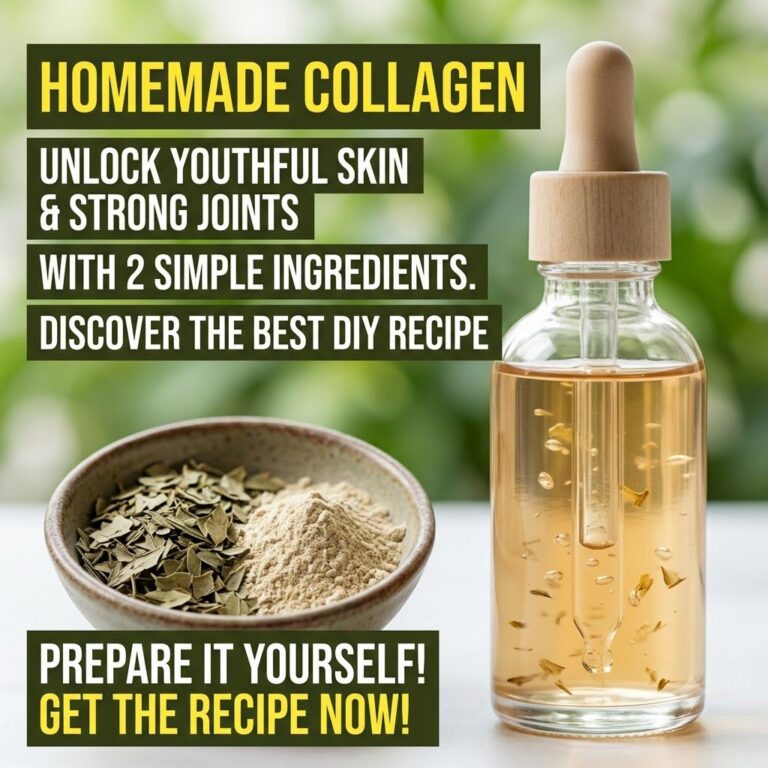
Could just two simple ingredients unlock the secret to youthful skin, radiant hair, and flexible joints? Many of us dream of turning back the clock naturally, but the idea of complex recipes or expensive supplements can be daunting. What if we told you there’s a timeless, natural remedy that’s not only easier to make than you think, but also incredibly empowering for your wellness journey? Ready to discover the simple steps to creating your own powerful, homemade collagen-boosting solution?
Why This Matters: The Quest for Natural Beauty & Vitality
In our modern world, we’re constantly searching for ways to maintain our vitality, glow, and agility. Collagen, often hailed as the body’s ‘super glue,’ is a fundamental protein responsible for the elasticity of our skin, the strength of our hair and nails, and the cushioning in our joints. As we age, our natural collagen production begins to decline, leading to visible signs of aging like wrinkles, sagging skin, and joint stiffness. This natural decline is why so many people are turning to collagen supplements and remedies.
However, the market is flooded with options, often with long ingredient lists and hefty price tags. This has sparked a growing interest in natural, homemade alternatives that provide the body with the building blocks it needs to support its own collagen synthesis. Our approach today focuses on providing these building blocks in a simple, accessible way, empowering you to take control of your wellness with ingredients you likely already have or can easily find.
The Power Duo: Unflavored Gelatin & Vitamin C-Rich Liquid
When we talk about ‘homemade collagen,’ we’re not suggesting you synthesize collagen in your kitchen. Instead, we’re focusing on a powerful two-ingredient combination that provides your body with the essential amino acids and co-factors needed to support its own natural collagen production. The stars of our simple recipe are:
1. Unflavored Gelatin: The Amino Acid Powerhouse
- What it is: Gelatin is essentially cooked collagen. It’s derived from the collagen found in animal bones, hides, and connective tissues. When you consume gelatin, you’re providing your body with a rich source of amino acids like glycine, proline, and hydroxyproline – the very building blocks of collagen.
- How it works: Unlike synthetic collagen, which can be hard for the body to absorb, gelatin offers these foundational amino acids in an easily digestible form. Your body then uses these amino acids to repair and rebuild its own collagen structures.
- Traditional Use: For centuries, cultures around the world have valued bone broths and gelatin-rich foods for their health-supporting properties, particularly for gut health, joint comfort, and skin elasticity.
2. Vitamin C-Rich Liquid: The Essential Cofactor
- What it is: Vitamin C isn’t just for immune support; it’s a critical nutrient required for collagen synthesis within your body. Without sufficient Vitamin C, your body cannot effectively produce collagen, no matter how many amino acids are available.
- How it works: Vitamin C acts as a vital cofactor in the enzymatic reactions that stabilize and cross-link collagen fibers, giving them strength and structure. It essentially helps your body ‘assemble’ the collagen properly.
- Practical Choices: Think fresh-squeezed orange juice, lemon water, a blend of berries (like strawberries or raspberries), or even an herbal tea steeped with rose hips, which are exceptionally rich in Vitamin C.
By combining these two, you’re giving your body both the raw materials (from gelatin) and the essential ‘worker’ (Vitamin C) it needs to efficiently produce and maintain healthy collagen.
Your Practical Guide: Crafting Your Collagen-Boosting Elixir
Ready to put these two powerhouses to work? Here’s how to create your simple, homemade collagen-boosting drink or snack:
Ingredients:
- 2 tablespoons unflavored gelatin powder (grass-fed, pasture-raised is often preferred)
- 1 cup Vitamin C-rich liquid (e.g., fresh orange juice, berry juice, or water infused with lemon/lime)
- Optional: Natural sweetener (honey, maple syrup), a pinch of cinnamon or ginger for flavor
Instructions:
- Bloom the Gelatin: In a small saucepan, pour about 1/4 cup of your cold liquid. Sprinkle the gelatin powder evenly over the cold liquid. Let it sit for 5-10 minutes. This allows the gelatin granules to absorb the liquid and ‘bloom’ (thicken), which prevents clumping when heated.
- Gently Heat: After blooming, place the saucepan over low heat. Add the remaining 3/4 cup of liquid. Stir continuously until the gelatin is completely dissolved. Do not boil, as high heat can degrade the gelatin’s beneficial properties. The mixture should be smooth and clear, with no visible granules.
- Flavor & Enjoy: If desired, stir in your natural sweetener or spices.
- Serving Suggestions: You can drink this warm as a comforting broth-like beverage, or pour it into small molds or a shallow dish and refrigerate for 2-4 hours until set, creating a healthy ‘gelatin jigglers’ snack.
Storage:
Store any unused liquid or gelatinized snacks in an airtight container in the refrigerator for up to 5-7 days.
Frequency:
For best results, aim to consume 1-2 servings daily. Consistency is key when supporting your body’s natural processes!
Safety & Precautions: Listen to Your Body
While unflavored gelatin and natural fruit juices are generally safe for most people, it’s always wise to be mindful of individual sensitivities:
- Allergies: If you have allergies to beef or pork, be sure to check the source of your gelatin powder.
- Digestive Sensitivity: Some individuals may experience mild digestive upset initially when introducing new foods or supplements. Start with smaller amounts and gradually increase.
- Kidney Conditions: If you have kidney disease, a high-protein intake from gelatin may not be suitable. Consult your healthcare professional.
- Medication Interactions: While unlikely for gelatin, certain fruit juices (like grapefruit) can interact with medications. Always check with your doctor if you’re on prescription drugs.
- Pregnancy & Nursing: While gelatin is generally considered safe, it’s always best to discuss any new dietary additions with your healthcare provider during pregnancy or while nursing.
Always remember, this homemade remedy is a way to support your body’s natural processes, not a substitute for professional medical advice or treatment.
Key Takeaways for Your Wellness Journey
- Gelatin provides amino acid building blocks: It’s rich in glycine, proline, and hydroxyproline, crucial for collagen synthesis.
- Vitamin C is essential: It acts as a vital cofactor, helping your body properly assemble collagen fibers.
- Simple & accessible: You can create a powerful, collagen-supporting remedy with just two easily found ingredients.
- Consistency is key: Regular intake helps provide ongoing support for skin, hair, and joint health.
- Listen to your body: Pay attention to any sensitivities and consult a healthcare professional with concerns.
FAQ: Your Questions Answered
Q: Can vegetarians or vegans make ‘homemade collagen’?
A: Traditional gelatin comes from animal sources. Vegetarians and vegans can support their body’s collagen production by focusing on a diet rich in amino acids (from plant-based proteins) and Vitamin C, but they cannot use gelatin.
Q: How long does it take to see results?
A: Results vary by individual. Some people may notice improvements in skin hydration or nail strength within a few weeks, while significant changes in joint health or deeper skin elasticity may take several months of consistent use.
Q: Does the liquid have to be juice?
A: No, it just needs to be rich in Vitamin C. You could use water with a squeeze of fresh lemon, lime, or even a rosehip tea for its Vitamin C content. Berries are also fantastic when blended into a liquid.
Q: Is this better than store-bought collagen supplements?
A: This homemade remedy provides a natural source of amino acids and a critical cofactor in a very accessible way. Many store-bought supplements are effective, but this DIY approach gives you control over ingredients and avoids additives. ‘Better’ is subjective and depends on individual needs and preferences.
Q: Can I add this to my coffee or tea?
A: Yes! You can ‘stir’ gelatin into hot (not boiling) coffee, tea, or even smoothies. Just ensure it’s fully dissolved to avoid a lumpy texture. Some people prefer ‘collagen peptides’ for hot beverages as they dissolve more easily without blooming, but gelatin can certainly be used.
Related Reading You Might Enjoy
- The Gut-Skin Connection: How Digestive Health Impacts Your Glow
- Boost Your Immunity Naturally: Top 5 Vitamin C-Rich Foods
- Herbal Remedies for Joint Comfort and Flexibility
- Age Gracefully: Essential Nutrients for Healthy Aging
- Beyond the Kitchen: Creative Uses for Gelatin in Wellness