Imagine plucking sweet, sun-ripened cherry tomatoes right from your patio, balcony, or even a sunny windowsill! Growing your own produce is incredibly rewarding, and cherry tomatoes are one of the easiest and most prolific plants to cultivate in containers. Whether you have a sprawling garden or just a small urban space, you can enjoy a bountiful harvest with the right tips and a little tender loving care.
Container gardening for cherry tomatoes is not only space-efficient but also allows for precise control over soil conditions and plant health. Let’s dive into how you can achieve a high-yield container garden and enjoy fresh, juicy cherry tomatoes all season long!
Choosing the Right Container for Success
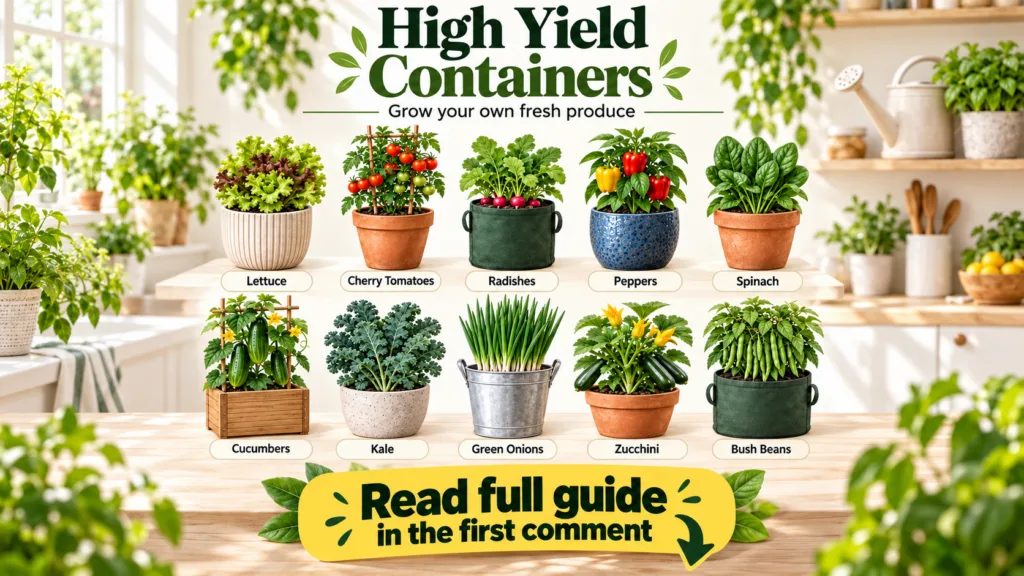
The first step to a successful cherry tomato harvest is selecting the perfect home for your plants. Cherry tomatoes need ample space for their root systems to develop, even in a container. Aim for pots that are at least 14-18 inches in diameter and depth. Larger is generally better!
- Material Matters: Terracotta pots look great, but they dry out quickly. Plastic or glazed ceramic pots retain moisture better. Fabric grow bags are excellent for aeration and preventing rootbound plants.
- Drainage is Key: Whatever container you choose, ensure it has adequate drainage holes. Tomatoes hate wet feet, and poor drainage can lead to root rot.
- Color Choice: Lighter-colored pots will reflect sunlight and keep roots cooler in hot climates, while darker pots absorb heat, which can be beneficial in cooler regions.
Selecting the Best Cherry Tomato Varieties
Not all cherry tomatoes are created equal when it comes to container growing. Look for varieties labeled as ‘determinate’ or ‘bush’ types, as these tend to be more compact and produce their fruit all at once, making them ideal for smaller spaces. Indeterminate (vining) varieties can also be grown, but they will require more significant support.
- Popular Bush Varieties: ‘Micro Tom’, ‘Tiny Tim’, ‘Patio Princess’, ‘Celebrity’ (a larger determinate type).
- Great Vining Choices (with support): ‘Sungold’, ‘Sweet Million’, ‘Black Cherry’.
Soil and Nutrients for a Bountiful Harvest
The soil is the foundation of your plant’s health. Don’t skimp here! Use a high-quality potting mix specifically designed for containers, not garden soil. Potting mix is lighter, drains better, and is sterile, reducing the risk of pests and diseases.
- Enrich Your Soil: Mix in some compost or well-rotted manure to boost nutrient content.
- Fertilize Regularly: Cherry tomatoes are heavy feeders. Use a balanced slow-release fertilizer at planting, and supplement with a liquid fertilizer (higher in phosphorus and potassium for fruiting) every 2-3 weeks once flowers appear.
Watering Wisdom for Lush Growth
Consistent watering is crucial for container-grown tomatoes. Because they are in a limited soil volume, they dry out faster than garden plants. Aim for deep, consistent watering.
- Check Soil Moisture: Stick your finger an inch or two into the soil. If it feels dry, it’s time to water.
- Water at the Base: Water slowly until you see water draining from the bottom of the pot. Avoid wetting the foliage, as this can encourage fungal diseases.
- Morning is Best: Watering in the morning allows the plant to absorb moisture before the heat of the day and gives any splashed water on leaves time to dry.
Sunlight and Support: Essential for Fruiting
Cherry tomatoes are sun-lovers! They need at least 6-8 hours of direct sunlight per day to produce abundant fruit. Choose the sunniest spot on your patio or balcony.
- Provide Support: Even bush varieties benefit from some support. A small tomato cage, stakes, or a trellis will prevent branches from breaking under the weight of ripening fruit and keep foliage off the ground, improving air circulation.
- Rotate Your Plants: If your sun exposure is uneven, periodically rotate your pots to ensure all sides of the plant get adequate sunlight.
Pest Prevention and Care
Keep a watchful eye on your plants for any signs of pests or diseases. Healthy plants are more resistant, but early detection is key.
- Inspect Regularly: Check the tops and undersides of leaves for tiny insects like aphids or spider mites.
- Organic Solutions: For minor infestations, a strong spray of water can dislodge pests. Neem oil or insecticidal soap are good organic options for more persistent problems.
- Pruning for Airflow: Remove any yellowing or diseased leaves promptly. Pruning some of the lower leaves can also improve airflow and reduce the risk of fungal issues.
Harvesting Your Bounty
The most exciting part! Cherry tomatoes are ready to harvest when they are fully colored, firm, and easily detach from the vine. Don’t pull them off; gently twist them or use small snips to avoid damaging the plant.
- Frequent Harvesting: Picking ripe tomatoes regularly encourages the plant to produce more fruit.
- Enjoy Fresh: There’s nothing quite like the taste of a homegrown cherry tomato, whether popped straight into your mouth, added to salads, or roasted for a burst of flavor!
Ready to Grow Your Own?
Growing your own juicy cherry tomatoes in containers is a wonderfully rewarding experience that brings freshness directly to your home. With these simple tips, you’ll be well on your way to enjoying a delicious and abundant harvest. Happy gardening!