Welcome, fellow garden enthusiasts! Are you ready to transform your garden into a thriving oasis? Just like any living thing, your garden flourishes with consistent care and attention. Mastering routine garden maintenance isn’t about having a green thumb, it’s about knowing the right steps to take to ensure your plants are happy and healthy. Whether you’re tending to vibrant flowers, crisp vegetables, or lush indoor plants, a regular care routine is your secret weapon.
This essential garden care checklist is designed to make nurturing your green space simple and enjoyable. We’ll cover everything from daily quick checks to seasonal tasks, ensuring your plants receive exactly what they need to grow strong and beautiful. Let’s dig in!
Why Routine Garden Care Matters
Consistent care is the backbone of a healthy garden. It helps prevent common issues like pests and diseases, ensures your plants get adequate nutrients, and promotes robust growth. Think of it as preventative medicine for your garden! Regular tasks allow you to catch problems early, making solutions much easier and less intensive.
The Benefits of a Regular Garden Routine:
- Healthier Plants: Consistent watering, feeding, and pruning lead to stronger, more resilient plants.
- Bountiful Harvests: For vegetable gardeners, a well-cared-for garden yields more delicious produce.
- Pest and Disease Prevention: Early detection and intervention can stop small problems from becoming major infestations.
- Beautiful Blooms: Flowers will be more vibrant and abundant with regular attention.
- Stress Reduction: Gardening itself is a wonderful way to relax, and a well-maintained garden is a joy to spend time in.
Your Essential Garden Care Checklist
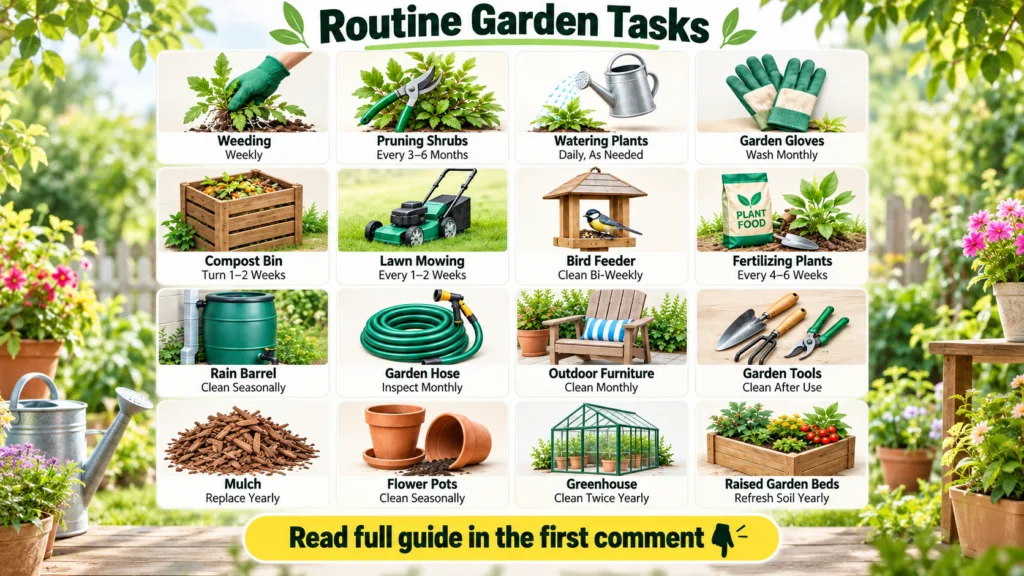
Here’s a breakdown of key tasks to incorporate into your gardening routine. Remember, consistency is key, but adaptability is also important – listen to your plants and the weather!
1. Watering Wisdom
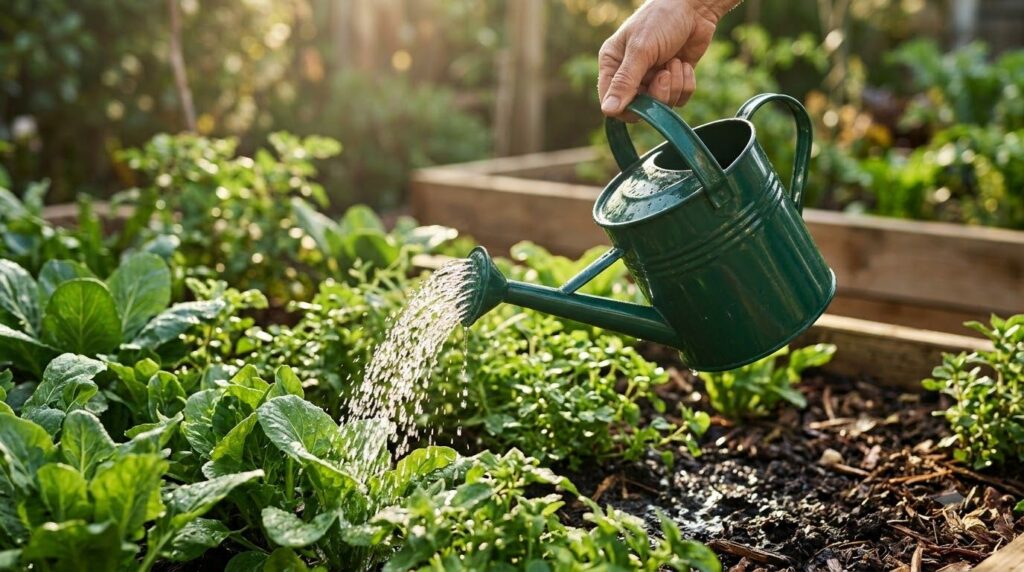
Watering is perhaps the most fundamental garden task. But it’s not just about dousing your plants; it’s about watering smart.
- Check Soil Moisture: Before watering, stick your finger about an inch or two into the soil. If it feels dry, it’s time to water. Don’t just rely on the surface!
- Water Deeply: Instead of frequent shallow watering, water deeply and less often. This encourages roots to grow deeper, making plants more drought-tolerant.
- Morning is Best: Water in the early morning to reduce evaporation and allow foliage to dry before evening, which helps prevent fungal diseases.
- Consider Plant Needs: Different plants have different water requirements. Cacti need less than leafy vegetables. Group plants with similar needs together.
2. Weeding Wonders
Weeds compete with your plants for nutrients, water, and sunlight. Regular weeding is non-negotiable for a healthy garden.
- Weed Early and Often: Small weeds are easier to pull out. Make weeding a quick, regular task rather than a daunting chore.
- Moist Soil is Your Friend: Weeds are much easier to remove from moist soil after rain or watering.
- Mulch, Mulch, Mulch: A good layer of organic mulch (like wood chips, straw, or compost) suppresses weeds, retains moisture, and enriches the soil.
- Know Your Weeds: Identify common weeds in your garden to understand their growth habits and best removal methods.
3. Feeding Your Flora
Plants need nutrients to grow, just like we do. Soil nutrients can deplete over time, especially in containers or high-producing vegetable beds.
- Compost is King: Regularly amend your soil with homemade compost. It’s a natural, slow-release fertilizer that also improves soil structure.
- Organic Fertilizers: Use organic fertilizers tailored to your plants’ needs. Follow package instructions carefully to avoid over-fertilizing.
- Soil Testing: Consider a soil test every few years to understand your soil’s composition and nutrient deficiencies, guiding your fertilization efforts.
- Listen to Your Plants: Yellowing leaves or stunted growth can be signs of nutrient deficiencies.
4. Pruning and Deadheading Perfection
Pruning removes dead or diseased branches, shapes plants, and encourages new growth. Deadheading (removing spent flowers) encourages more blooms.
- Use Clean Tools: Always use sharp, clean pruning shears to make clean cuts and prevent disease spread.
- Remove Dead/Diseased Material: This is a priority. It prevents disease from spreading to healthy parts of the plant.
- Shape for Health: Prune to improve air circulation and sunlight penetration, especially in dense shrubs.
- Encourage New Blooms: Deadhead regularly to tell your flowering plants to produce more flowers instead of putting energy into seed production.
5. Pest and Disease Vigilance
Regular observation is your best tool against pests and diseases.
- Daily Garden Walks: Take a few minutes each day to walk through your garden, inspecting leaves (tops and undersides), stems, and flowers for any signs of trouble.
- Identify Pests: Learn to identify common garden pests in your area. Early identification is crucial for effective treatment.
- Organic Solutions First: Try non-chemical methods like hand-picking pests, introducing beneficial insects, or using neem oil or insecticidal soap.
- Improve Air Circulation: Proper spacing and pruning can prevent many fungal diseases.
6. Supporting Wildlife (Optional but Rewarding!)
Attracting beneficial insects and birds can naturally help with pest control and pollination.
- Bird Feeders & Baths: A bird feeder (like the one in our infographic!) can attract birds that eat insect pests. A bird bath provides a water source.
- Pollinator-Friendly Plants: Plant flowers that attract bees, butterflies, and other beneficial insects.
- Provide Shelter: Consider adding a small bug hotel or leaving a small area undisturbed to provide habitat for beneficial creatures.
Making it a Habit
The key to successful garden care is consistency. Don’t feel overwhelmed! Start by incorporating a few tasks into your weekly routine, and gradually add more as you become comfortable. Consider setting aside specific times each week, or even just a few minutes each day, for your garden. You’ll be amazed at how quickly these small efforts add up to a vibrant, thriving garden!
What are your favorite routine garden care tips? Share them with us in the comments below! We love hearing from our gardening community.