While many flowers are admired purely for their beauty, Rosella offers far more than just a vibrant splash of color. Most people overlook the potent, practical uses contained within its ruby-red calyces – the fleshy, cup-shaped parts that remain after the flower blooms. Often known as Hibiscus, Rosella has a rich history of traditional uses across diverse cultures, extending far beyond a simple ornamental plant. This guide will help you understand how to harness its unique properties in your daily life.
Ignoring these bright red pods means missing out on a simple, effective ingredient that herbalists and home remedy enthusiasts have valued for centuries. Let’s delve into how you can make the most of this remarkable plant.
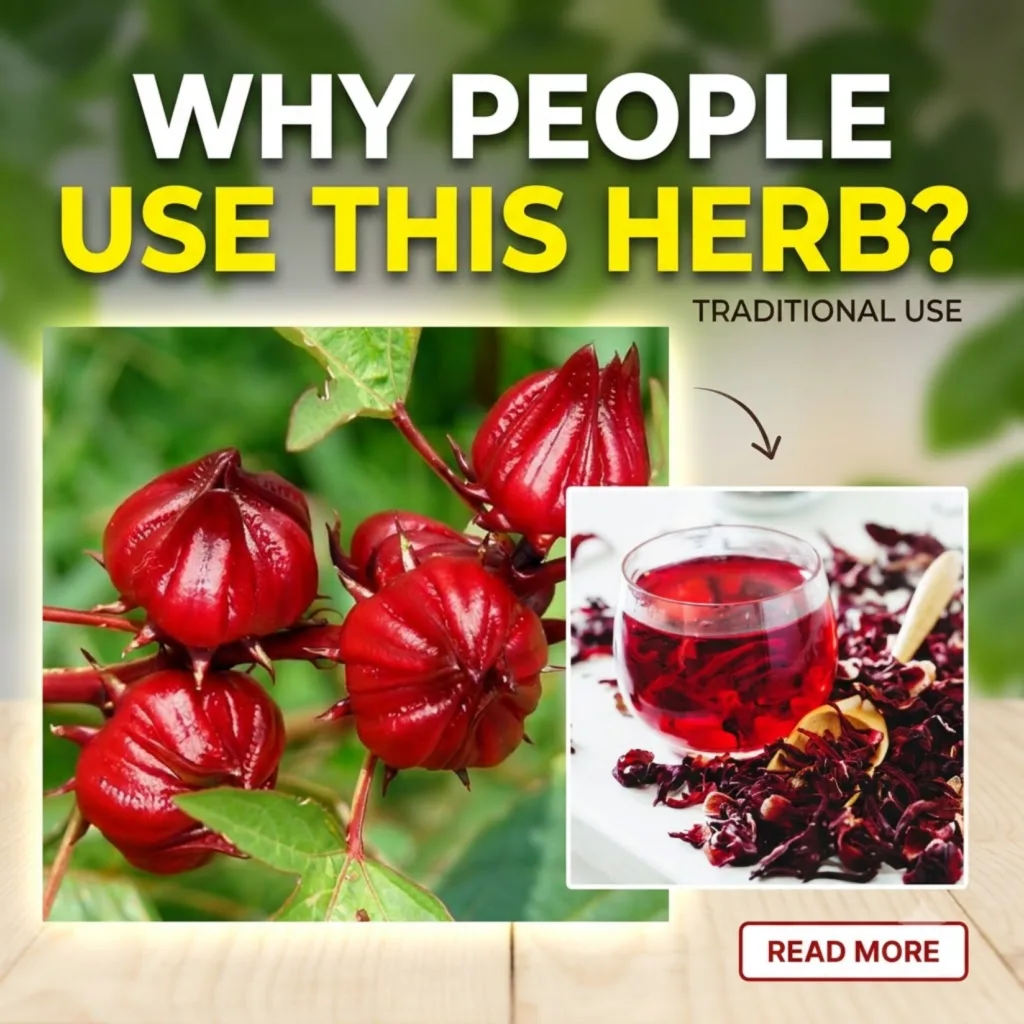 Rosella, or Hibiscus, offers both beauty and practical applications.
What is Rosella?
Rosella, scientifically known as Hibiscus sabdariffa, is a species of hibiscus native to West Africa. While many associate ‘hibiscus’ with ornamental garden flowers, Rosella specifically refers to the plant whose tart, cranberry-like calyces are harvested for culinary and traditional uses. These calyces are the star of the show, not the delicate petals of the flower itself. They are vibrant red, firm, and contain a distinctive sour flavor that makes them ideal for teas, jams, sauces, and even natural colorants.
Across the globe, Rosella is known by many names, including Flor de Jamaica in Mexico, Sour Tea in the Middle East, and simply Hibiscus Tea. Its tartness is balanced by a natural sweetness when prepared correctly, making it a refreshing and versatile ingredient.
Ingredients for a Basic Rosella Tea
Preparing a simple, effective Rosella tea requires minimal ingredients, allowing the natural flavor and properties of the plant to shine.
- Rosella Calyces: Approximately 1-2 tablespoons of dried calyces, or 3-4 fresh calyces.
- Water: 2 cups (about 500ml) of filtered water.
- Sweetener (Optional): Honey, maple syrup, or stevia to taste.
- Flavor Enhancers (Optional): A slice of ginger, a cinnamon stick, or a few mint leaves.
Approximate Measurements
Getting the ratio right is key to a balanced Rosella tea. For a standard brew, aim for:
- Dried Rosella: 1 tablespoon per 8-10 ounces (240-300ml) of water.
- Fresh Rosella: 2-3 small calyces per 8-10 ounces (240-300ml) of water.
Adjust these measurements based on your desired strength and tartness. If you prefer a milder tea, use slightly less Rosella; for a bolder flavor, increase the amount.
Formula / Recipe: Classic Rosella Infusion
This basic recipe will yield a delicious and vibrant Rosella tea, perfect for enjoying hot or cold.
Hot Rosella Tea
- Bring water to a rolling boil.
- Add Rosella calyces to a heat-proof container (teapot or mug).
- Pour boiling water over the calyces.
- Steep for 5-10 minutes, depending on desired strength.
- Strain out the calyces.
- Sweeten and add optional flavor enhancers as desired.
Cold Brew Rosella Tea (for a smoother, less tart flavor)
- Place Rosella calyces in a pitcher.
- Add cold filtered water.
- Refrigerate for at least 4-6 hours, or overnight.
- Strain and serve chilled.
- Sweeten as desired.
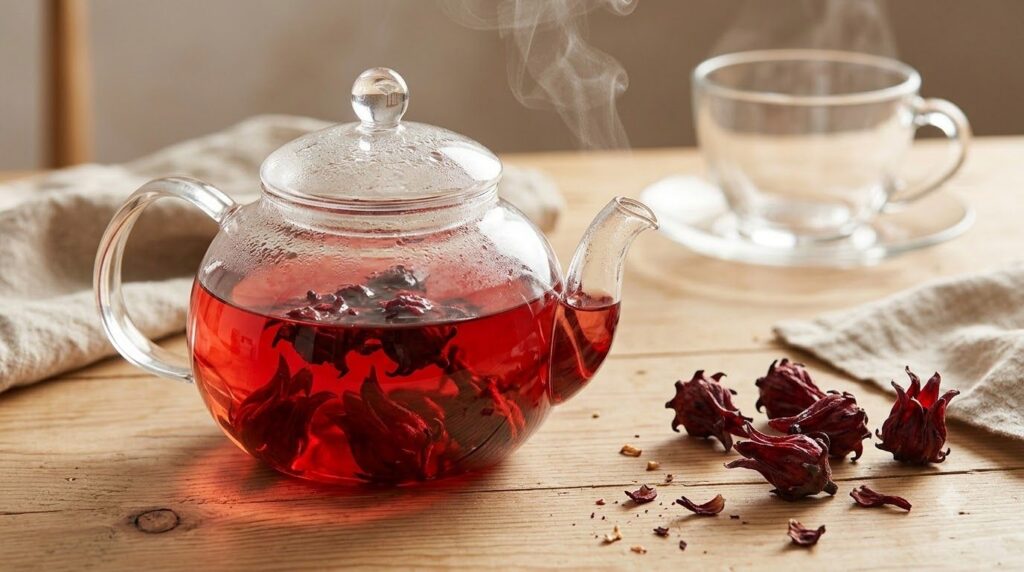 Steeping Rosella calyces creates a beautiful and flavorful infusion.
Step-by-Step Method for Hot Tea
Here’s a detailed breakdown to ensure your Rosella tea is perfect every time:
Prepare Your Calyces:
- If using fresh Rosella, gently rinse them under cold water to remove any dirt. For dried calyces, no preparation is usually needed.
Boil Water:
- In a kettle or saucepan, bring your measured water to a full, rolling boil.
Combine:
- Place the Rosella calyces into your teapot, French press, or mug.
Pour:
- Carefully pour the boiling water over the calyces. Ensure they are fully submerged.
Steep:
- Cover your brewing vessel to trap the heat and allow the Rosella to steep. For a lighter, more refreshing tea, steep for 5 minutes. For a stronger, more intense flavor, go for 10 minutes.
Strain:
- Use a fine-mesh strainer or the plunger of your French press to separate the brewed liquid from the calyces.
Serve:
- Pour into your favorite mug. At this point, you can add your preferred sweetener or flavor enhancers.
Quick Tip: Adjusting Tartness
If your Rosella tea is too tart, try reducing the steeping time or adding a pinch of baking soda (very small amount, less than 1/8 teaspoon per cup) to neutralize some of the acidity. Alternatively, adding more sweetener can also balance the flavor.
How to Use Rosella Tea
Beyond simply drinking it, Rosella tea can be a versatile base for other creations:
- Refreshing Beverage: Enjoy hot or cold. It’s particularly refreshing chilled over ice during warmer months.
- Cocktail/Mocktail Mixer: Its tart, fruity flavor makes it an excellent base for unique drinks.
- Ingredient in Smoothies: Brewed and cooled Rosella tea can replace water in your favorite smoothie recipes for an extra zing.
- Natural Food Coloring: The intense red color can be used to naturally tint desserts, jellies, or even frosting.
- Hair Rinse (Diluted): Some traditions use diluted Rosella tea as a hair rinse, though this is less common than internal use. Always dilute heavily and do a patch test first.
How Often to Use
Rosella tea can generally be enjoyed daily as a refreshing beverage. However, if you are consuming it for specific purposes or in larger quantities, it’s wise to moderate intake. For most people, 1-3 cups per day is a reasonable amount. Listen to your body and adjust accordingly.
How to Buy / How to Choose Ingredients
The quality of your Rosella calyces will significantly impact the flavor and effectiveness of your tea.
- Dried Calyces: Look for whole, unbroken calyces with a vibrant, deep red color. Avoid those that look faded, brown, or dusty, as this can indicate old age or improper drying. Ensure they are free from mold or insect damage.
- Fresh Calyces: If you’re lucky enough to find fresh Rosella, choose firm, plump calyces with a bright red hue. Avoid any that are soft, bruised, or discolored.
- Source: Whenever possible, opt for organic or wild-harvested Rosella to minimize exposure to pesticides.
Fresh vs. Dried Rosella
FeatureFresh Rosella CalycesDried Rosella CalycesAvailabilitySeasonal, harder to findYear-round, widely availableFlavor ProfileBrighter, slightly more acidicDeeper, concentrated tartnessPreparationMay require more cleaningReady to use, longer shelf lifeStorageRefrigerate up to 1 weekAirtight, cool, dark for 1-2 yearsPotencyGood, but dried can be more concentratedHighly concentrated, often preferred for tea
Storage
Proper storage is crucial for maintaining the quality and freshness of your Rosella, whether fresh or dried.
- Dried Rosella Calyces: Store in an airtight container (glass jars are ideal) in a cool, dark, and dry place. Away from direct sunlight and humidity, dried Rosella can last for 1 to 2 years, retaining much of its flavor and color.
- Fresh Rosella Calyces: Store fresh calyces in a plastic bag in the refrigerator. They are quite perishable and should be used within a week.
- Brewed Tea: Cooled Rosella tea can be stored in a sealed pitcher or bottle in the refrigerator for up to 3-5 days.
Practical Tips
- Experiment with Sweeteners: While sugar is common, try honey, maple syrup, or agave nectar for different flavor notes.
- Combine with Spices: Rosella pairs wonderfully with warming spices like cinnamon, cloves, and star anise, especially in colder months.
- Citrus Boost: A squeeze of fresh lime or lemon juice after brewing can enhance its refreshing quality.
- Batch Brewing: Make a large batch of cold brew Rosella tea at the beginning of the week for easy access to a healthy beverage.
- Rosella Ice Cubes: Freeze leftover brewed tea in ice cube trays to add to water or other drinks without diluting the flavor.
Common Mistakes
Even with a simple tea, a few common errors can diminish the quality of your Rosella experience:
- Over-Boiling Calyces: Boiling Rosella calyces for too long can extract a bitter taste and degrade some of its delicate compounds. Steeping, not boiling, is generally preferred.
- Using Sprayed Plants: If harvesting fresh Rosella, ensure the plants have not been treated with pesticides or herbicides.
- Improper Storage: Storing dried Rosella in open containers or humid environments can lead to moisture absorption, mold growth, and loss of potency.
- Ignoring Personal Sensitivities: Everyone reacts differently. Starting with small amounts and observing your body’s response is always a good idea.
- Over-sweetening: While some sweetness balances the tartness, too much can overpower the delicate flavor of the Rosella itself.
Cautions / Who Should Avoid It
While Rosella is generally safe for most people when consumed in moderate amounts, there are some important considerations:
- Pregnancy and Breastfeeding: Due to insufficient research, pregnant and breastfeeding women should consult a healthcare professional before consuming Rosella, especially in concentrated forms.
- Blood Pressure Medication: Rosella may have a blood pressure-lowering effect. Individuals on medication for high or low blood pressure should use it with caution and consult their doctor, as it could potentially interact with their medication.
- Diabetes Medication: Rosella might affect blood sugar levels. Diabetics should monitor their blood sugar closely if consuming Rosella regularly and consult their healthcare provider.
- Allergies: Though rare, some individuals may experience allergic reactions. Discontinue use if you notice any adverse symptoms.
Quick Summary
Rosella, or Hibiscus sabdariffa, offers a refreshing, tart tea with versatile uses. It’s best prepared by steeping dried or fresh calyces in hot or cold water. Store dried calyces in airtight containers in a cool, dark place for longevity, and fresh ones in the fridge for up to a week. Enjoy 1-3 cups daily, but exercise caution if pregnant, breastfeeding, or on blood pressure/diabetes medication. Always choose vibrant, clean calyces for the best results.
FAQ
Can I use fresh or dried Rosella calyces?
Yes, both fresh and dried Rosella calyces can be used to make tea. Dried calyces are more concentrated in flavor and more widely available year-round.
How long does brewed Rosella tea last?
Brewed Rosella tea can be stored in the refrigerator for 3-5 days in a sealed container.
Can I refrigerate Rosella calyces?
Fresh Rosella calyces should be refrigerated and used within a week. Dried calyces should be stored in a cool, dark, dry pantry, not the refrigerator.
How often should I use Rosella tea?
Most individuals can safely enjoy 1-3 cups of Rosella tea per day. Listen to your body and adjust as needed.
What part of the Rosella plant is best for tea?
The fleshy, red calyces (the sepals that enclose the fruit) are the part primarily used for making tea due to their tart flavor and vibrant color.
Can Rosella tea be frozen?
Yes, you can freeze brewed Rosella tea in ice cube trays. These cubes are great for adding to other beverages without dilution.
What should I avoid when making Rosella tea?
Avoid over-boiling the calyces, using plants treated with pesticides, and improper storage of dried calyces which can lead to mold.
Are there any known interactions with medications?
Rosella may interact with blood pressure and diabetes medications. Consult your doctor if you are on these medications before regular consumption.
Conclusion
Rosella is much more than just a beautiful flower; it’s a powerhouse of flavor and traditional utility, easily integrated into your daily routine. By understanding how to properly select, prepare, and store its vibrant calyces, you can enjoy a refreshing and practical addition to your home remedies. Whether you prefer a hot, comforting brew or a chilled, tart refreshment, Rosella offers a simple yet impactful way to connect with nature’s bounty. Always remember to approach any natural remedy with awareness of your body’s needs and consult a professional if you have health concerns.