Many people are captivated by the stunning, almost magical blue hue of the Butterfly Pea flower, especially when it transforms into a vibrant tea. But beyond its visual appeal, this remarkable bloom holds a spectrum of practical applications and traditional uses that often go unnoticed. It’s more than just a pretty drink; it’s a versatile herbal ally with a history as rich as its color.
We’re talking about Clitoria ternatea, commonly known as Butterfly Pea, Blue Pea, or Asian Pigeonwing. Originating from Southeast Asia, this climbing vine produces striking indigo-blue flowers that have been cherished for centuries, not just for their beauty, but for their natural pigment and potential wellness benefits. From coloring rice and desserts to creating pH-sensitive drinks and herbal rinses, the Butterfly Pea flower is a natural wonder.
What it is
The Butterfly Pea flower is a tropical plant renowned for its intense blue petals. These flowers contain potent antioxidants called anthocyanins, which are responsible for their characteristic color. What makes this flower truly fascinating is its ability to change color based on pH levels. Add something acidic like lemon juice, and watch your deep blue tea shift to a rich purple or even pink!
Traditionally, it has been used as a natural food dye, in herbal medicine, and as a cosmetic ingredient. Its mild, earthy flavor makes it a versatile addition to various preparations, allowing its visual spectacle to take center stage without overpowering other tastes.
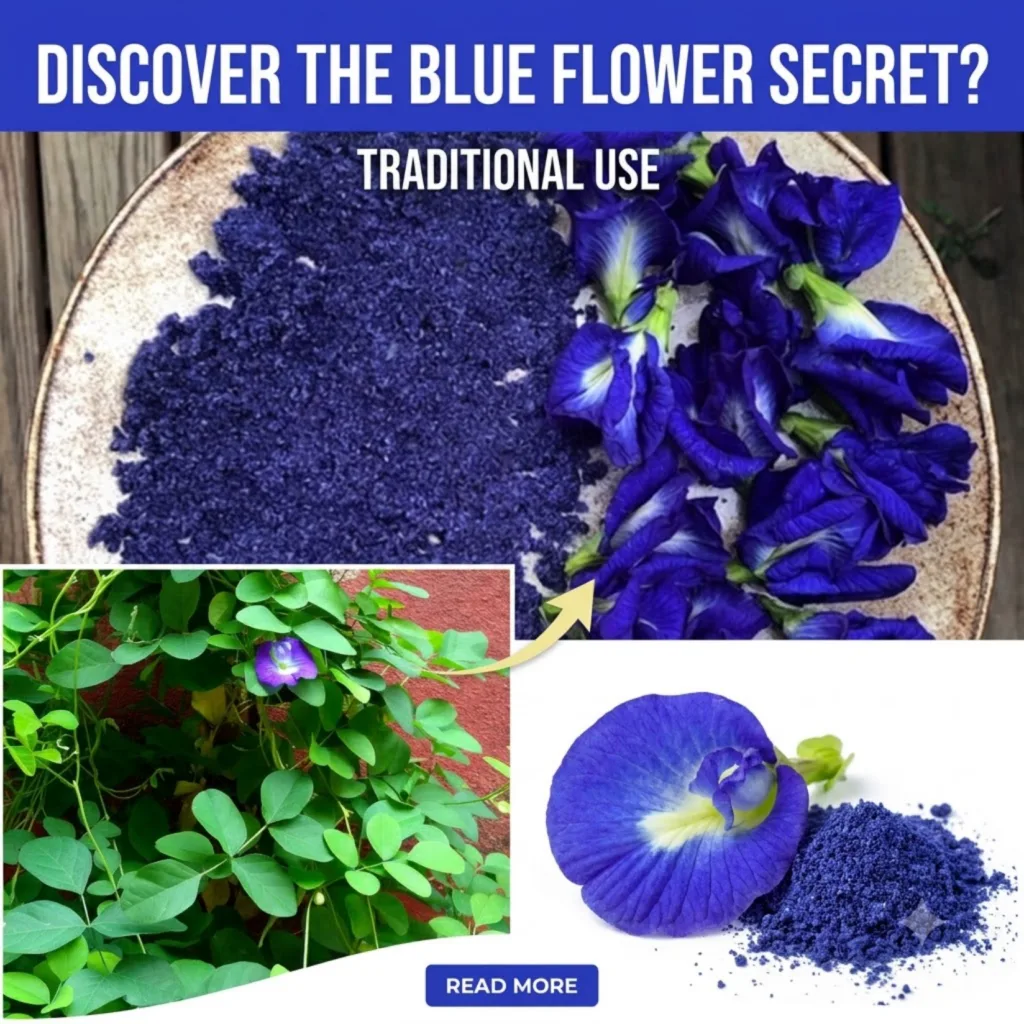 The Butterfly Pea flower, celebrated for its vivid blue color and versatility.
Ingredients for a Simple Butterfly Pea Infusion
Whether you’re making a soothing tea, a colorful drink base, or a hair rinse, the basic infusion method remains the same.
- Dried Butterfly Pea flowers: 1-2 teaspoons per 240ml (1 cup) of water
- Hot water: 240ml (1 cup) per serving
- Optional additions for drinks: Lemon or lime slices, honey, ginger, mint
Approximate Measurements
For a standard cup (approximately 240ml) of infusion:
- For a light blue hue and subtle flavor: Use 1 teaspoon of dried flowers.
- For a deep indigo color and more pronounced earthy notes: Use 2 teaspoons of dried flowers.
- For a very concentrated base (e.g., for cocktails or coloring food): Use 3-4 teaspoons per cup, or reduce the water quantity.
Formula / Recipe: Butterfly Pea Herbal Infusion
This simple formula can be adapted for various uses, from a delightful beverage to a natural hair treatment.
Step-by-Step Method
- Heat Water: Bring fresh water to a boil. For best results, use filtered water.
- Prepare Flowers: Place the dried Butterfly Pea flowers into a heatproof mug, teapot, or French press.
- Pour Water: Pour the hot water over the flowers.
- Steep: Let the flowers steep for 5-10 minutes. The longer you steep, the darker and more intense the blue color will be.
- Strain: Strain the liquid to remove the flowers. You now have a beautiful blue infusion.
- Serve (Optional): For tea, you can drink it as is, or add a squeeze of lemon/lime to change the color and enhance the flavor. Sweeten with honey if desired.
Quick Tip: The Color-Changing Trick
The magic of Butterfly Pea lies in its pH sensitivity. To demonstrate this, prepare your blue tea, then add a few drops of lemon or lime juice. Watch as the blue liquid dramatically transforms into a beautiful violet or purple! This makes for a captivating presentation in drinks.
How to Use
Beyond being a captivating beverage, Butterfly Pea infusion has several practical uses:
- As a refreshing drink: Serve hot or cold. Add ice, a slice of lemon, and a touch of honey for a cooling summer drink.
- Natural Food Coloring: Use the concentrated infusion to color rice (blue rice!), desserts, smoothies, and baked goods naturally.
- Hair Rinse: After shampooing, use a cooled infusion as a final rinse. Proponents suggest it may help nourish hair and enhance shine. Let it sit for a few minutes before rinsing with cool water or leave it in.
- Skin Toner/Mist: Once cooled, the infusion can be used as a natural facial toner. Apply with a cotton pad or use a spray bottle as a refreshing facial mist.
How Often to Use
- For beverages: You can enjoy Butterfly Pea tea daily.
- For hair rinses: 2-3 times a week, or as needed, depending on your hair’s response.
- For skin applications: Daily, as part of your regular skincare routine.
How to Buy / How to Choose Ingredients
When purchasing Butterfly Pea flowers, quality matters for both color and effectiveness.
- Look for vibrant blue: The dried flowers should retain a rich, deep blue color, not faded or brownish.
- Source reputable vendors: Choose organic or sustainably harvested flowers to ensure they are free from pesticides and chemicals.
- Check for whole flowers: Whole, intact flowers generally indicate better quality than broken pieces or powder (unless you specifically need powder).
- Avoid additives: Ensure the product contains only Butterfly Pea flowers, without any artificial colors, flavors, or preservatives.
Fresh vs. Dried Butterfly Pea Flowers
FeatureFresh Butterfly Pea FlowersDried Butterfly Pea FlowersAvailabilitySeasonal, limited to tropical climatesYear-round, widely availablePotencySlightly less concentrated pigmentMore concentrated pigment by weightStoragePerishable, best used immediately or within a few days (refrigerated)Long shelf life (1-2 years) if stored properlyFlavorSubtler, slightly more floralMild, earthy, can be more pronounced when brewed darkerConvenienceRequires fresh harvesting/accessReady to use, easy to measure
Storage
- Dried Flowers: Store dried Butterfly Pea flowers in an airtight container in a cool, dark, and dry place. Protect them from direct sunlight and moisture to preserve their color and potency. They can last for 1-2 years.
- Prepared Infusion: Once brewed, the infusion should be stored in a sealed container in the refrigerator. It is best used within 2-3 days. Discard if you notice any changes in smell or appearance.
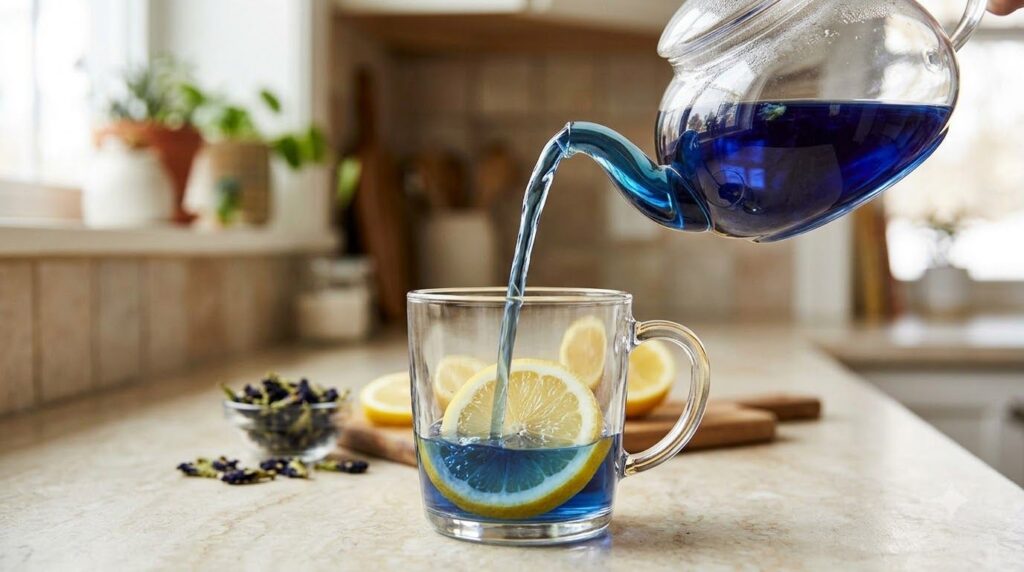 Enjoy the vibrant blue tea and watch its color transform with a squeeze of citrus.
Practical Tips
- Achieving Deeper Blue: For an exceptionally deep blue, use more flowers and steep for a full 10 minutes.
- Experiment with pH: Beyond lemon, try adding lime, hibiscus (for a ruby red), or baking soda (to intensify blue to green) to explore the full spectrum of color changes.
- Chill for Refreshment: Brew a larger batch and chill it for a refreshing iced tea base.
- Flavor Pairing: Butterfly Pea has a mild taste, making it an excellent canvas for other flavors like ginger, mint, lemongrass, or pandan.
Common Mistakes
Even with a simple ingredient like Butterfly Pea, a few common errors can diminish its impact:
- Using too little: Skimping on flowers can result in a pale blue, rather than the vibrant hue it’s known for.
- Over-steeping: While longer steeping darkens the color, very long steeping (over 10-15 minutes) can sometimes introduce a slightly earthy or grassy note that some find undesirable.
- Improper storage: Exposing dried flowers to light or humidity will cause them to lose their vibrant color and potency over time.
- Using tap water with high mineral content: This can sometimes affect the clarity and brilliance of the blue color. Filtered water is always recommended.
Cautions / Who Should Avoid It
Butterfly Pea flower is generally considered safe for most people when consumed in moderation as a food or beverage. However, some precautions are wise:
- Pregnancy and Breastfeeding: There is limited scientific research on its effects during pregnancy and lactation. It’s best to consult a healthcare professional before consuming.
- Medication Interactions: If you are on any medications, particularly blood thinners or diabetes medications, consult your doctor due to its potential mild effects on blood sugar or coagulation.
- Mild Laxative Effect: In very large quantities, some individuals might experience a mild laxative effect. Start with small amounts to assess your body’s response.
- Allergies: As with any plant, allergic reactions are possible, though rare. Discontinue use if you experience any adverse symptoms.
Quick Summary
The Butterfly Pea flower offers much more than a beautiful blue drink. It’s a versatile natural ingredient ideal for:
- Best Preparation: Simple hot water infusion.
- Best Use-Case: Vibrant blue tea (hot or iced), natural food dye, hair rinses, and skin toners.
- Storage: Dried flowers in an airtight, cool, dark place; prepared infusion refrigerated for up to 3 days.
- When to Use: Daily for general enjoyment or specific cosmetic routines.
- What to Avoid: Over-steeping, improper storage, and excessive consumption if pregnant or on certain medications without medical advice.
FAQ
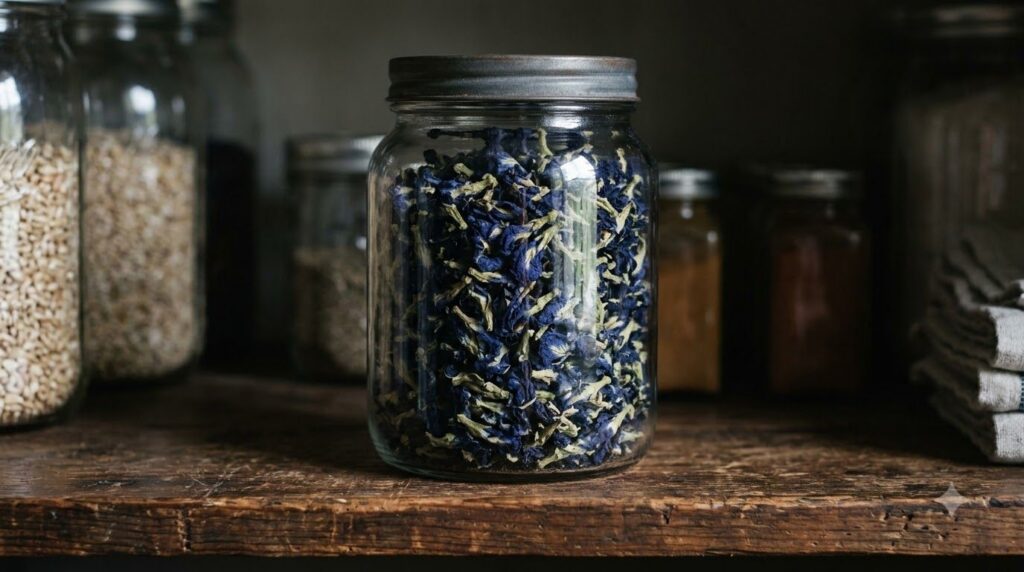 Proper storage ensures the vibrant color and potency of your dried butterfly pea flowers.
Can I use fresh or dried Butterfly Pea flowers?
Both fresh and dried flowers can be used. Dried flowers are more concentrated and readily available year-round, making them more convenient for infusions.
How long does Butterfly Pea tea last?
Once brewed, Butterfly Pea tea should be refrigerated and consumed within 2-3 days for optimal freshness and safety.
Can I refrigerate it?
Yes, you can refrigerate brewed Butterfly Pea tea. Store it in a sealed container to maintain its freshness.
How often should I use it for hair or skin?
For hair rinses, 2-3 times a week is generally sufficient. For skin toners, daily application is usually fine, but listen to your skin’s response.
What part of the plant is best for remedies?
The petals of the flower are the primary part used for infusions, dyes, and cosmetic applications due to their high concentration of anthocyanins.
Does it have a strong taste?
Butterfly Pea tea has a very mild, subtly earthy, and slightly woody flavor. It’s not typically strong, which makes it an excellent base for other flavors.
Why does the color change when I add lemon?
The color change is due to anthocyanins, which are natural pH indicators. When you add an acid like lemon juice, the pH of the tea changes, causing the anthocyanins to shift from blue to purple or pink.
Is it safe for everyone?
It’s generally safe for most adults. However, pregnant or breastfeeding individuals and those on certain medications should consult a healthcare professional before use.
Conclusion
The Butterfly Pea flower is a true botanical marvel, offering a captivating visual experience alongside a wealth of practical uses. Whether you’re brewing a vibrant tea, experimenting with natural food dyes, or incorporating it into your beauty routine, this unassuming bloom provides a simple yet profound way to connect with nature’s colorful remedies. Embrace the versatility of Butterfly Pea and let its unique charm brighten your daily rituals.